Brent Crude Hits $103.88 as Iran Conflict Pushes Oil Higher
July Brent rose $2.19 to $103.88 per barrel April 28 — the second straight session above $100 — as the Iran war drags into its second month with no diplomatic resolution in sight.


Why did oil prices jump above $103 per barrel?
Brent crude for July delivery rose $2.19 to $103.88 per barrel April 28, marking the second consecutive session above the $100 threshold. The move comes as the Iran conflict enters its second month with no clear diplomatic path forward.
July Brent is now the active contract in the oil market — where the bulk of trading volume has shifted — reflecting expectations that supply disruptions will persist through the summer driving season. The $2.19 single-day gain represents a 2.2% move, the sharpest one-day climb since Brent jumped 2.3% to $101.38 on April 27 when diplomatic talks stalled.
What the $103 barrel means for diesel and settlement statements
Crude at $103.88 translates to diesel wholesale prices in the $3.40–$3.60 per gallon range at the rack, depending on regional refining capacity and state taxes. For a five-truck fleet running 500 miles per day at 6 mpg, every $10 move in crude adds roughly $140 per week to the fuel bill — $7,280 annually per truck if the price holds.
Fuel surcharges lag spot crude by 7 to 14 days in most contract structures, meaning the April 28 jump won't show up in FSC reimbursements until mid-May. Owner-operators on percentage pay feel the squeeze immediately: the fuel comes out of the settlement before the surcharge catches up.
The July contract pricing signals that traders expect the Iran situation to remain unresolved through at least June. That's a longer disruption window than the market priced in three weeks ago, when July Brent sat below $95.
Iran conflict timeline and supply risk
The Iran war began in late March 2026. By mid-April, diplomatic efforts had stalled, and Brent crossed $100 for the first time since late 2023. The April 28 move to $103.88 reflects two developments: continued military operations in the Strait of Hormuz region and no credible ceasefire framework on the table.
Roughly 20% of global seaborne oil passes through the Strait of Hormuz. While the waterway remains open, insurance premiums for tankers transiting the region have tripled, and several major shippers have rerouted around the Cape of Good Hope — adding 10 days and significant cost to each voyage. The longer route tightens effective tanker capacity, even if physical barrels are still flowing.
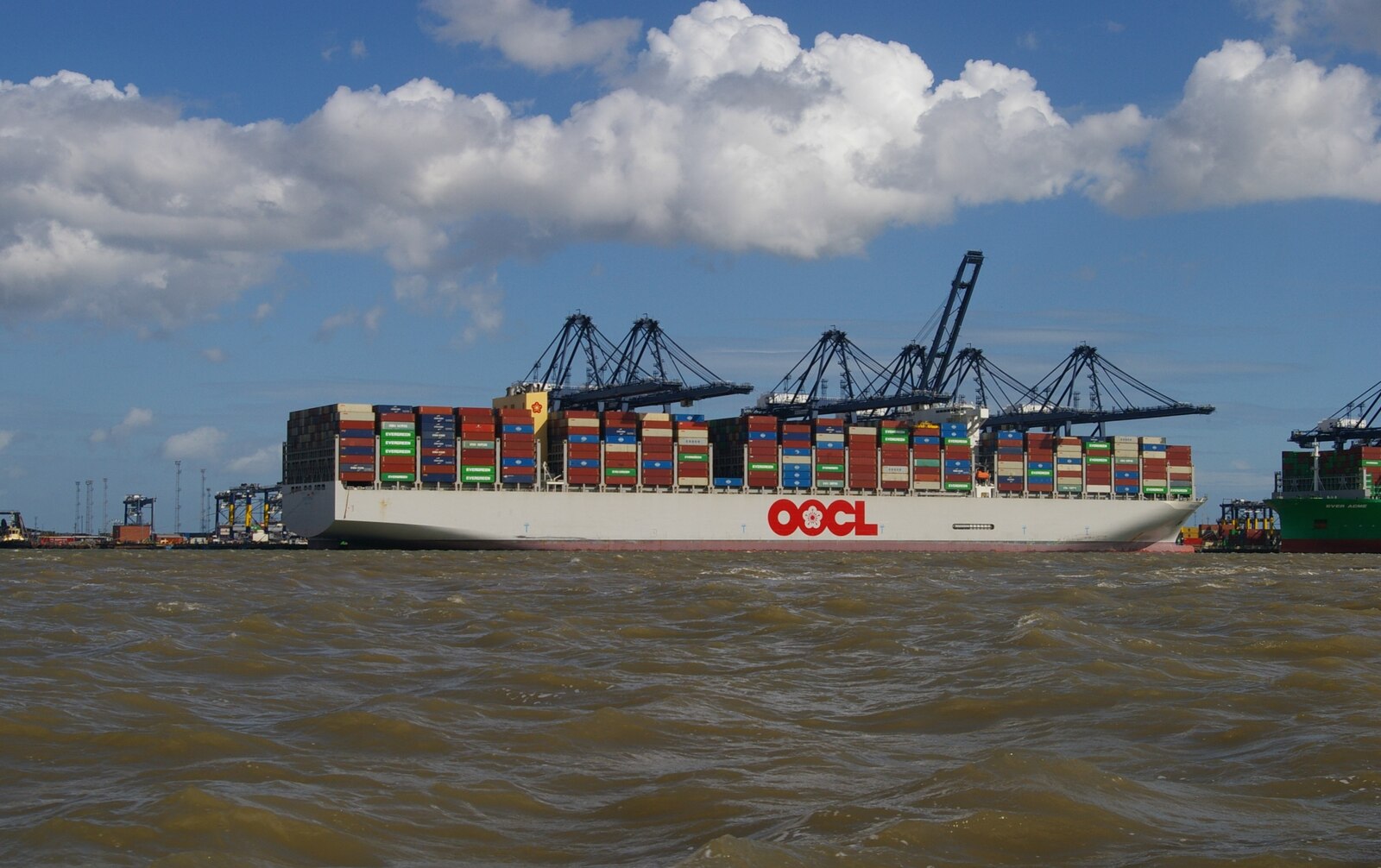
The ocean rate surge tied to the Iran conflict has already pushed trans-Pacific container rates up 22% in a month, compounding the diesel cost pressure small fleets face on domestic lanes.
Diesel demand context: tonnage up, imports still weak
The oil price move comes as domestic freight demand shows signs of recovery. March 2026 truck tonnage posted the strongest year-over-year gain since October 2022, with ATA reporting a 2.1% increase for Q1. That tonnage growth is driven by domestic manufacturing and restocking, not import volumes — ocean container requests sit 36% below the 2021 peak.
The disconnect matters for diesel consumption: more domestic miles driven means higher fuel burn even as import drayage remains soft. A 5-truck fleet running regional dry van is burning more diesel per week than it did in Q4 2025, and now paying $103-crude prices to do it.
Covenant reported driver market tightening for the first time in 40 months in late April, signaling that the tonnage recovery is real enough to pull available capacity off the spot market. Tighter capacity plus higher fuel costs creates the setup for rate increases — but only if shippers accept the bid. So far, contract rates have moved modestly, and spot remains choppy outside a few high-demand lanes.
What small fleets should watch
Three variables determine whether $103 crude sticks or retreats: ceasefire talks, Saudi production decisions, and US refinery utilization heading into summer. If Iran diplomacy breaks through in the next two weeks, Brent could fall back below $95. If the conflict drags into June with no resolution, $110 is in play.
For a 10-truck fleet, the difference between $95 crude and $110 crude is roughly $1,200 per week in fuel cost — $62,400 annually. That's the margin between a profitable year and a breakeven year for many small carriers, especially those running on thin contract rates locked in during the 2023–2024 freight recession.
Fuel surcharge clauses matter more now than they have in two years. Fleets negotiating dedicated or contract lanes in May should push for weekly FSC adjustments tied to the DOE diesel index, not monthly lags. The volatility in crude means a two-week surcharge delay can cost a carrier $500 per truck in unrecovered fuel.
The July Brent contract will roll to August in late May. If the August contract prices above $105 at rollover, the market is betting the Iran situation worsens. If August prices below July, traders see a path to de-escalation. Watch the curve.