California Opens Heavy-Duty Autonomous Truck Permits Under New Rule
State adopts updated framework for self-driving commercial vehicles, clearing regulatory path for Class 8 AV testing and deployment on public roads.


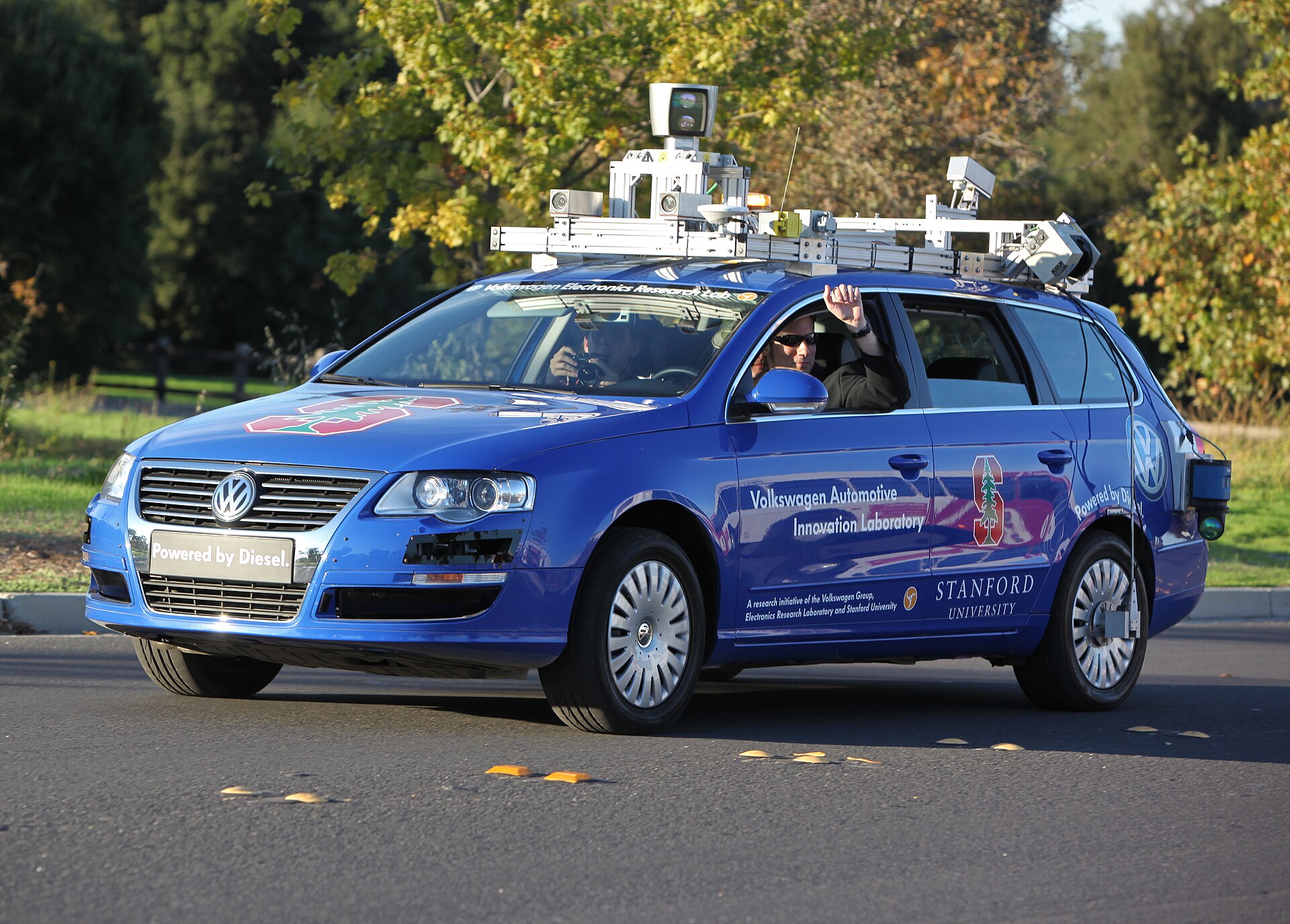
California adopted updated rules governing autonomous vehicles that create a regulatory pathway for heavy-duty self-driving trucks to operate in the state.
What does California's new autonomous truck rule allow?
The state's revised framework permits autonomous truck developers to apply for permits to test and deploy Class 8 self-driving vehicles on public roads. California had previously restricted autonomous operation of commercial vehicles over 10,001 pounds GVWR, effectively blocking heavy-duty truck testing within state borders despite the technology advancing in other jurisdictions.
The regulatory update removes that weight-class barrier. Developers can now seek authorization to run autonomous tractors and straight trucks on California highways under conditions set by the state's Department of Motor Vehicles.
Why the timing matters for AV truck developers
California represents the largest freight economy in the US by lane volume and the busiest container gateway at the ports of Los Angeles and Long Beach. Autonomous truck companies have conducted pilot programs in Texas, Arizona, and along I-10 corridors but faced a regulatory wall at the California state line.
The new rule opens access to high-density short-haul routes — port drayage, intermodal yards to distribution centers, and Central Valley agricultural hauls — where developers argue the operational case for autonomy is strongest. Repetitive routes with predictable traffic patterns and dedicated truck lanes reduce the edge-case scenarios that complicate AV system validation.
What the rule does not specify
The adopted framework establishes that heavy autonomous trucks are eligible for permitting but does not publish the technical requirements developers must meet to receive authorization. Specifics on sensor redundancy, remote-operator protocols, geofencing boundaries, and incident-reporting obligations will be detailed in subsequent DMV guidance.
No timeline was provided for when the first permits will be issued or how many vehicles each developer can deploy under initial authorization. California's light-duty AV permit process has historically involved multi-stage approvals — testing with safety driver, driverless testing, and commercial deployment — each requiring separate applications and review periods.
Fleet and shop implications
For carriers operating in California, the rule change does not immediately alter equipment decisions. Autonomous trucks approved under the new framework will be owned and operated by the AV developers themselves or by fleets participating in pilot partnerships, not purchased outright by small carriers.
Maintenance and service infrastructure remains undefined. Current autonomous prototypes use modified Class 8 gliders with proprietary sensor arrays, compute stacks, and drive-by-wire systems that require specialized calibration and parts inventory. Whether third-party shops will be able to service these units or whether developers will control all maintenance through captive facilities is unresolved.
Shops should expect increased demand for ADAS recalibration and camera-cleaning services as conventional trucks add more driver-assist features in parallel with autonomous development. The sensor suites on production trucks — forward radar, side cameras, lidar for blind-spot monitoring — share calibration tooling and procedures with AV hardware, making ADAS service capability a near-term investment even if fully autonomous trucks remain years from widespread adoption.
What changes for California fleets
The regulatory shift does not impose new equipment mandates on human-driven trucks. Carriers operating conventional Class 8 tractors in California face no compliance obligation tied to the autonomous rule update.
Longer term, if autonomous trucks scale to commercial freight movement, the competitive pressure will be on labor cost per mile rather than equipment cost. A fleet running driver-operated trucks on the same lanes as autonomous competitors will need to demonstrate equivalent or better reliability and service quality to hold freight contracts, which returns to fundamentals — uptime, fuel economy, and total cost of ownership on the existing diesel or natural-gas powertrain.
For owner-operators, the calculus is whether autonomous trucks displace lanes before the current truck is paid off. Port drayage and dedicated short-haul contracts are the highest-risk segments. Long-haul irregular routes with variable pickup and delivery points, where human judgment handles dock access and load securement, remain lower probability for near-term automation.