Engine Parameter Tweaks Can Lift MPG 5–8% at Zero Hardware Cost
Fleets that have never optimized electronic engine parameters for fuel economy can see gains of 0.5 mpg or more—up to 8% improvement—by adjusting speed limits, idle reduction, and drivetrain settings already in the ECM.

Fleets that have never optimized their electronic engine parameters can see fuel economy improvements in the 5% to 8% range by adjusting settings already programmed into the engine control module, according to a recent analysis by the North American Council for Freight Efficiency. At current diesel prices above $5 per gallon, that translates to measurable per-truck savings without buying a single aerodynamic device or tire-pressure sensor.
How much fuel can you save by adjusting engine parameters?
NACFE's Confidence Report on electronic engine parameters found that fleets optimizing these settings see average gains around 0.5 mpg. Fleets with drivers who maintain strong driving habits—smooth acceleration, minimal hard braking—can push gains higher. The 5% to 8% improvement range applies specifically to fleets that have not previously used parameters to tune for fuel economy, often because OEM terminology varies and creates confusion about what each setting controls.
Michael Roeth, NACFE executive director, noted that the organization categorized parameters into six groups: vehicle speed limits, vehicle configuration information, engine speed limits, idle reduction, driver rewards, and miscellaneous mpg-related parameters. Different manufacturers use different names for the same function, but the underlying adjustments allow a fleet to customize the truck to its operational profile.
What engine parameters affect fuel economy?
Speed limiters cap top vehicle speed and engine RPM, preventing drivers from running the engine outside its most efficient band. Idle-reduction parameters can enforce automatic shutdown after a set period or limit PTO engagement when the truck is stationary. Driver-reward parameters tie performance metrics to fuel consumption, creating visibility into which operators consistently hit efficiency targets.
Vehicle configuration settings include axle ratio, tire size, and transmission type—data the ECM uses to calculate load and optimize shift points. If these values are incorrect or left at factory defaults that don't match the actual spec, the engine runs a fuel map that doesn't fit the truck. Correcting configuration data costs nothing but requires a laptop, the OEM software license, and 20 minutes per truck.
When should you review parameters?
Roeth recommended reviewing parameters now if fuel prices have climbed since the last adjustment or if the fleet has added drivers unfamiliar with fuel-conscious habits. The review costs time rather than capital—no new hardware, no installation labor. Fleets that have already invested in aerodynamic fairings, automatic tire-inflation systems, and auxiliary power units will feel less pressure from high diesel prices, but parameter optimization stacks on top of those technologies.
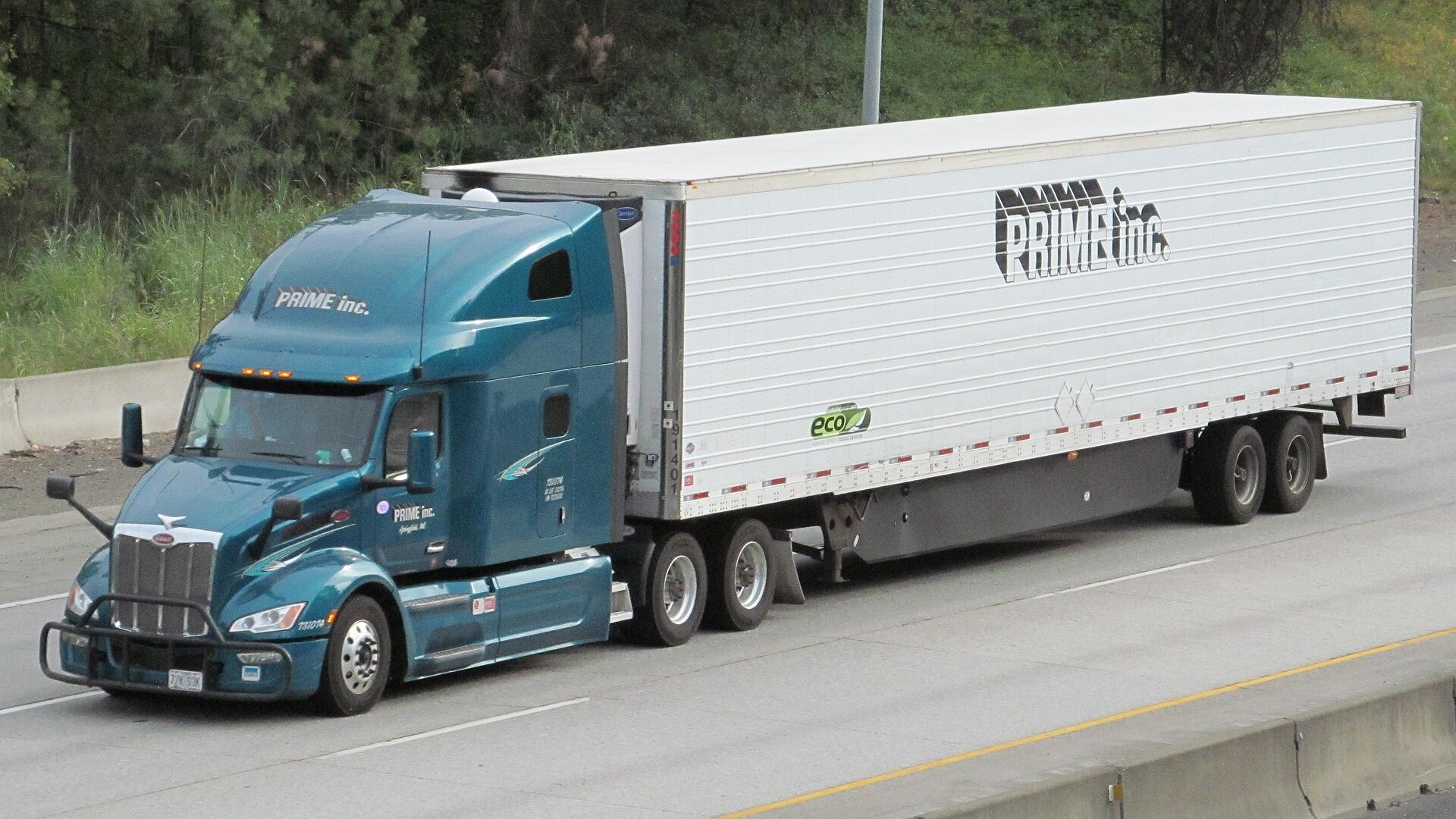
The national average fuel economy for Class 8 linehaul tractors currently sits at 6.9 mpg. Drivers focused on efficiency—Roeth cited Henry Albert of Albert Transport and Roberto Sandoval of Mesilla Valley Transportation, both participants in the Run on Less – Messy Middle demonstration—regularly post double-digit mpg figures with the same equipment other drivers run at 6 to 7 mpg. The gap is driver behavior and parameter setup, not engine hardware.
What else can fleets do without spending money?
Roeth also recommended reviewing routing to eliminate empty backhauls and wasted miles. Empty trailers generate zero revenue but burn the same fuel as a loaded move minus the marginal drag increase. Fleets should ask customers whether pickup and delivery windows are flexible; shifting a delivery by two hours can sometimes allow a driver to pick up a backhaul that would otherwise go to a competitor.
Preventive maintenance schedules should prioritize underinflated tires, which have an outsized negative effect on fuel economy. A single tire 10 psi below spec adds rolling resistance equivalent to a poorly adjusted fifth wheel or a missing side skirt. Checking tire pressure weekly costs a few minutes per truck but prevents the fuel penalty from compounding over thousands of miles.
Driver training remains a major lever. Even with collision mitigation, adaptive cruise, and automated transmissions, the driver controls throttle application, following distance, and whether to coast into a red light or brake hard at the last second. Fleets that share fuel-economy leaderboards and tie bonuses to mpg performance see sustained behavior change; those that don't see the same drivers at the bottom of the ranking every month.
What this means for small fleets
Small fleets and owner-operators often skip parameter optimization because they lack in-house IT staff or assume the factory settings are already optimal. They are not. OEMs ship trucks with conservative speed and idle limits to satisfy the widest range of customers; a fleet running dedicated regional routes at 60 mph governed can tighten the speed cap to 62 mph and lower the top-gear RPM limit without affecting on-time performance, cutting fuel burn in the process.
The software to adjust parameters is available through OEM dealer portals or third-party tools like Noregon JPRO. Some parameters require a dealer reflash; others can be changed by the fleet if it owns the license. Either way, the cost is a service call or a one-time software purchase, not a recurring parts expense.
Fleets that have already optimized parameters should still review settings annually. Driver turnover, route changes, and new equipment can all shift the optimal configuration. A truck that spent two years on flat Midwest interstates and now runs Appalachian grades may benefit from a different torque curve and shift schedule than the original setup assumed.