Freightliner Adds Left-Turn Collision Warning to Detroit Assurance
Active Side Guard Assist 2 monitors oncoming traffic during left turns and can apply brakes before the truck enters the intersection.

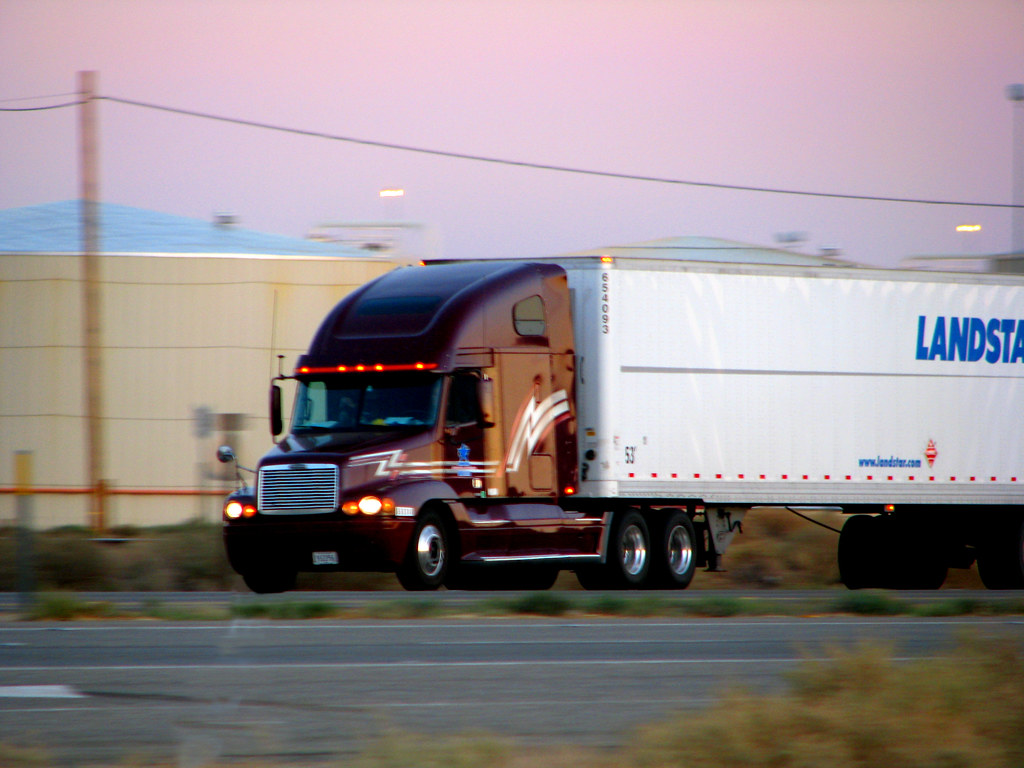
Freightliner expanded Detroit Assurance with Active Side Guard Assist 2, a system that monitors oncoming traffic when a driver initiates a left turn and can apply braking if it detects a collision risk before the truck enters the hazard zone.
What does Active Side Guard Assist 2 do during a left turn?
Active Side Guard Assist 2 with left-turn protection monitors for oncoming traffic when the driver signals and begins a left turn. If the system calculates a collision risk — typically an oncoming vehicle closing faster than the turn can clear — it alerts the driver. In some cases, the system applies braking before the truck enters the intersection.
Freightliner did not specify the threshold speed or distance at which the system intervenes, nor whether the braking is partial or full application. The system is part of Detroit Assurance with Automatic Emergency Braking 6 (ABA6), which is standard on fifth-generation Cascadia models.
How Detroit Assurance monitors the truck's surroundings
Detroit Assurance with ABA6 uses four short-range radars, one long-range radar, and a camera to create a 270-degree monitoring field around the truck and trailer. The sensor array is designed to detect vehicles in adjacent lanes, stopped vehicles ahead, and vulnerable road users including pedestrians and cyclists.
The system does not provide full 360-degree coverage — the rear quarter and directly behind the trailer remain blind zones unless the truck is equipped with additional aftermarket cameras or radar.
What this means for intersection and urban-route fleets
Left-turn collisions account for a disproportionate share of urban truck crashes, particularly at unprotected intersections where the driver must judge oncoming speed and distance while managing trailer swing. Active Side Guard Assist 2 adds a second set of eyes during that judgment window.
Freightliner emphasized that the technology is designed to assist professional drivers, not replace them. The system does not take over steering and will not prevent a turn if the driver overrides the alert. Fleets running dense urban routes — LTL pickup-and-delivery, food service, beverage distribution — are the most likely to see a reduction in intersection claims if the system performs as described.
The expansion of Detroit Assurance comes as insurers increasingly price ADAS-equipped trucks at lower premiums. Fleets should confirm with their carrier whether Active Side Guard Assist 2 qualifies for a discount and whether the discount offsets the system's cost over the policy term.
Serviceability and calibration considerations
ADAS systems with multiple radars require recalibration after front-end collision repair, windshield replacement, or radar-mount damage. Freightliner has not published the recalibration interval or the cost of a full sensor reset. Small fleets operating in markets without a Freightliner-certified ADAS shop should confirm calibration availability before spec'ing the system.
Radar and camera sensors are vulnerable to road debris, winter salt buildup, and mud spray. Fleets running in high-debris environments — construction haul, aggregate, unpaved-road delivery — should budget for more frequent sensor cleaning and verify that the system includes a self-diagnostic alert when a sensor is obscured.
What changes for spec'ing a new Cascadia
Detroit Assurance with ABA6, including Active Side Guard Assist 2, is standard on fifth-generation Cascadia models. Fleets ordering new Cascadias do not pay extra for the system, but they inherit the maintenance and calibration costs that come with it. Fleets should ask their dealer for the warranty term on radar and camera components and whether recalibration after a windshield replacement is covered under the bumper-to-bumper warranty or billed separately.
The system's effectiveness will depend on how well it distinguishes between a genuine collision risk and a false positive — an oncoming vehicle that is slowing for a yellow light, or a car in the far lane that will not intersect the truck's path. Early adopters should track false-alarm frequency and whether drivers begin ignoring alerts or disabling the system if nuisance warnings become routine.