MSC and Tradepoint Break Ground on $1.2B Baltimore Container Terminal
Sparrows Point terminal will add 1 million TEU annual capacity and on-dock rail by 2030, first privately financed U.S. container terminal in decades.


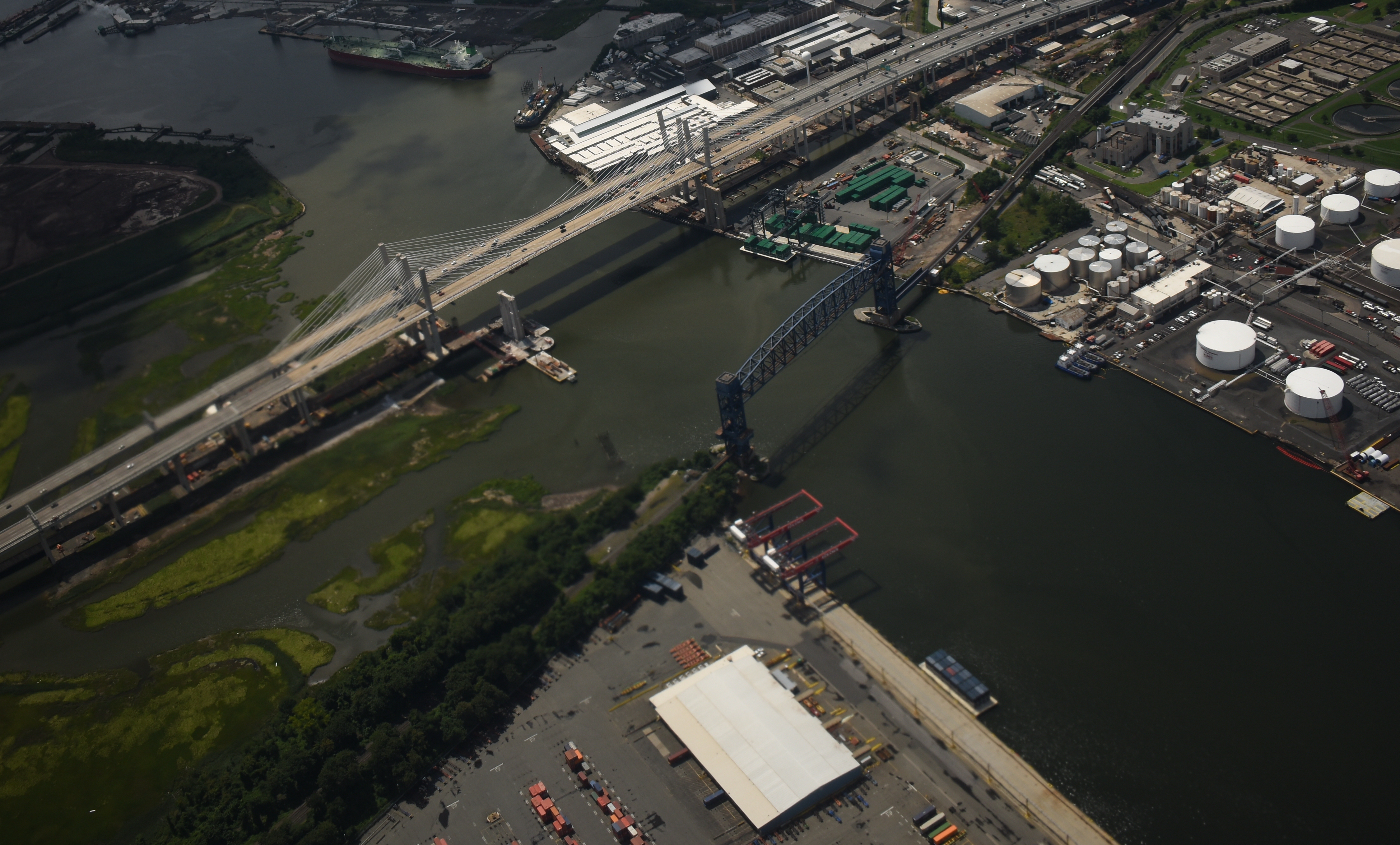
Mediterranean Shipping Co. and Tradepoint Atlantic broke ground May 1 on a 168-acre container terminal at the former Bethlehem Steel mill site in Baltimore, the first privately financed U.S. container terminal in decades. The $1.2 billion Sparrows Point Container Terminal will have annual capacity of more than 1 million containers, berthing for two ultra-large container vessels, and seven ship-to-shore cranes.
When does the Sparrows Point terminal open?
The terminal's first berth is scheduled for completion in 2028, with full build-out by 2030. The facility is located opposite Tradepoint Atlantic's existing bulk handling terminal on the 3,300-acre site the developer has been redeveloping since 2014.
What intermodal equipment does the terminal support?
The terminal includes on-dock rail designed to plug into an I-95 East Coast doublestack network. The partners plan direct connections to the Midwest and eastern seaboard destinations. The groundbreaking comes months after CSX completed clearance work on Baltimore's Howard Street tunnel — a century-old chokepoint for intermodal trains. Reports on social media indicate doublestack traffic through Baltimore began moving this week.
The timing matters for fleets running intermodal equipment in mid-Atlantic lanes. The Howard Street tunnel clearance removes a longstanding height restriction that forced intermodal loads to detour or transfer to single-stack configurations. Doublestack capability cuts dray costs and improves equipment utilization for containers moving between Baltimore and inland terminals.
Who is financing the terminal?
Terminal Investment Ltd., co-managed by MSC and Blackrock, is partnering with Tradepoint Atlantic on the project. The partners describe it as the first U.S. container terminal in decades to be privately financed, distinguishing it from port-authority-backed projects that typically rely on public bonds or federal infrastructure grants.
MSC, the Geneva-based ocean liner, and Blackrock, the world's largest private equity firm, are co-managing TIL. The private-finance structure shifts construction and operational risk away from public port authorities, a model that has been rare in U.S. container-terminal development since the 1990s.
What does this mean for mid-Atlantic intermodal capacity?
The 1 million TEU annual capacity represents a significant addition to mid-Atlantic container handling. The terminal's berthing capacity for two ultra-large container vessels positions it to handle the 24,000-TEU ships that now dominate trans-Pacific and trans-Atlantic routes. Seven ship-to-shore cranes will handle vessel loading and unloading.
The on-dock rail component is the operational differentiator for fleets. Containers can move directly from vessel to railcar without drayage to an off-dock intermodal ramp, cutting one truck move and associated labor and equipment costs. For small fleets running intermodal equipment, the question is whether the terminal's rail connections will offer competitive transit times and equipment turns compared to existing Norfolk Southern and CSX intermodal ramps in the region.
The Sparrows Point site sits southeast of Baltimore's city center, outside the congestion zone that affects dray moves to and from the Port of Baltimore's Seagirt Marine Terminal. The location could reduce dwell time for containers moving to warehouses and distribution centers in the I-95 corridor, though actual dray times will depend on terminal gate operations and chassis availability once the facility opens.
What this means for fleets running mid-Atlantic intermodal
The 2028 first-berth opening gives fleets two years to evaluate whether the terminal's rail connections and dray economics justify shifting intermodal volume from existing Baltimore or Norfolk terminals. The private-finance structure means the terminal operators will be under pressure to fill capacity quickly, which could translate to competitive dray rates and chassis-pool arrangements in the first year of operations. Fleets running regular intermodal volume in mid-Atlantic lanes should monitor the terminal's rail-service announcements in 2027 to assess whether the on-dock rail offers better equipment turns than current off-dock options.