One broker pocketed $3,200 per load on 28 military shipments, ATA says
Military freight awards bypassed bidding systems and went to brokers at rates triple what carriers received, raising security and taxpayer concerns.


Did military freight brokers actually receive $5,000 per load while paying carriers $1,800?
One broker received 28 military freight awards at rates exceeding $5,000 per load, then brokered the same shipments to carriers for approximately $1,800 each, according to a business development manager at a transportation company that handles military freight. The manager documented the pattern beginning in 2024 after noticing loads awarded at rates far above typical market levels.
"That one broker got 28 loads at those super high rates, and then they're brokering them out to carriers like [my company] for like $1,800. So they're pocketing the difference from $1,800 to over $5,000," the manager said.
The American Trucking Associations flagged the issue in an August 27 letter to Defense Secretary Pete Hegseth, alleging that brokers lacking valid DOT operating authority and required insurance are operating outside established bidding processes and being awarded shipments.
How the military freight awards bypassed normal bidding
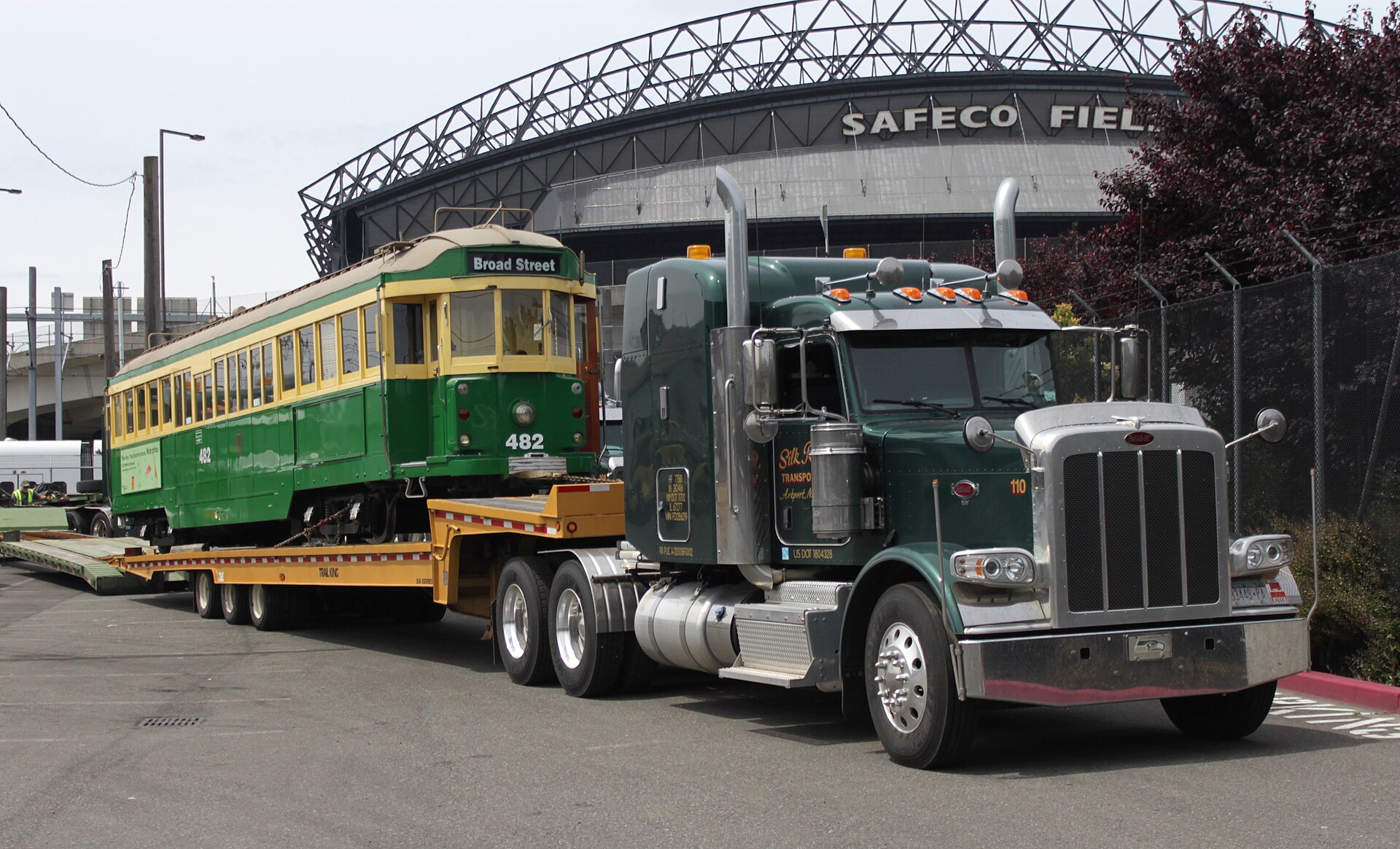
The business development manager cited one example: a flatbed step-deck load from Fort Polk, Louisiana, to San Antonio, Texas (408 miles) awarded at over $5,000. "It was over $5,000 to go from Fort Polk, La., to San Antonio, Texas; 408 miles for a legal flatbed step deck [trailer], which is unheard of rates," he said. "We never even saw this to bid on it."
A later review found the shipment had not been booked through the Global Freight Management System (GFMS), which plans and tracks shipments for DOD transportation officers. The manager said the broker repeated the cycle across multiple loads.
ATA outlined the problem in a 2024 presentation provided to U.S. Transportation Command. The presentation listed transportation officers allegedly not offering or awarding freight transparently or in accordance with policy, brokers not appearing in GFMS records, carriers receiving freight volumes beyond their apparent capacity, and limited recourse for carriers that lost opportunities to higher-cost providers.
Three companies connected to one person received $7.1 million
Three companies that received $7.1 million in revenue from freight awarded outside GFMS were all connected to one person, according to the ATA presentation. Hauling for Heroes, Expedited Transport, and Unit Move Logistics listed the same individual as a point of contact for government business for one company, as a partner for another, and an owner for the third. Transport Topics did not receive responses to requests for comment from the companies. Phone calls went unanswered.
The presentation also cited cases in which freight tenders were canceled and later moved at higher rates. In some instances, a carrier bill of lading was created after a tender had been canceled.
Why the lack of transparency creates security risks
The business development manager said the lack of transparency raises security concerns beyond the financial impact. "They could be moving anything, and nobody knows because it's not put out for bid, and you can't go back and see what the commercial bill ratings are. But we all know that who they're hauling for has all kinds of stuff that needs to have the security," he said.
ATA said the issue threatens security and supply chain integrity. The transportation company employee said it also raises questions about taxpayer spending and accountability.
Mike Matousek, executive director of ATA's government freight conference, told Transport Topics that he does not believe government audits of freight awards are as rigorous as they could be. The government is required to audit freight awards.
"Our approach from the beginning has been to work with Artrans. The lack of cooperation from Artrans just hasn't been great," Matousek said, referring to the U.S. Army Transportation Command.
What carriers should verify before hauling military freight
The business development manager said he hopes those responsible for violating policies will face consequences. "The people that are intentionally doing the wrong thing, I think they should be held accountable," he said.
Carriers approached by brokers offering military freight should verify the load appears in GFMS records before accepting. Rates significantly above market levels for comparable lanes may indicate the broker is operating outside normal award processes. Carriers can also check whether the broker holds valid DOT operating authority and required insurance before signing a rate confirmation.
ATA urged Defense Secretary Hegseth to address alleged bidding and compliance failures. Industry representatives sought stronger audits and accountability from military officials.