Private truck parking fills gaps government funding can't reach
Both public dollars and private investment are tackling the parking shortage, but owner-operators still pay out of pocket when rest areas are full.

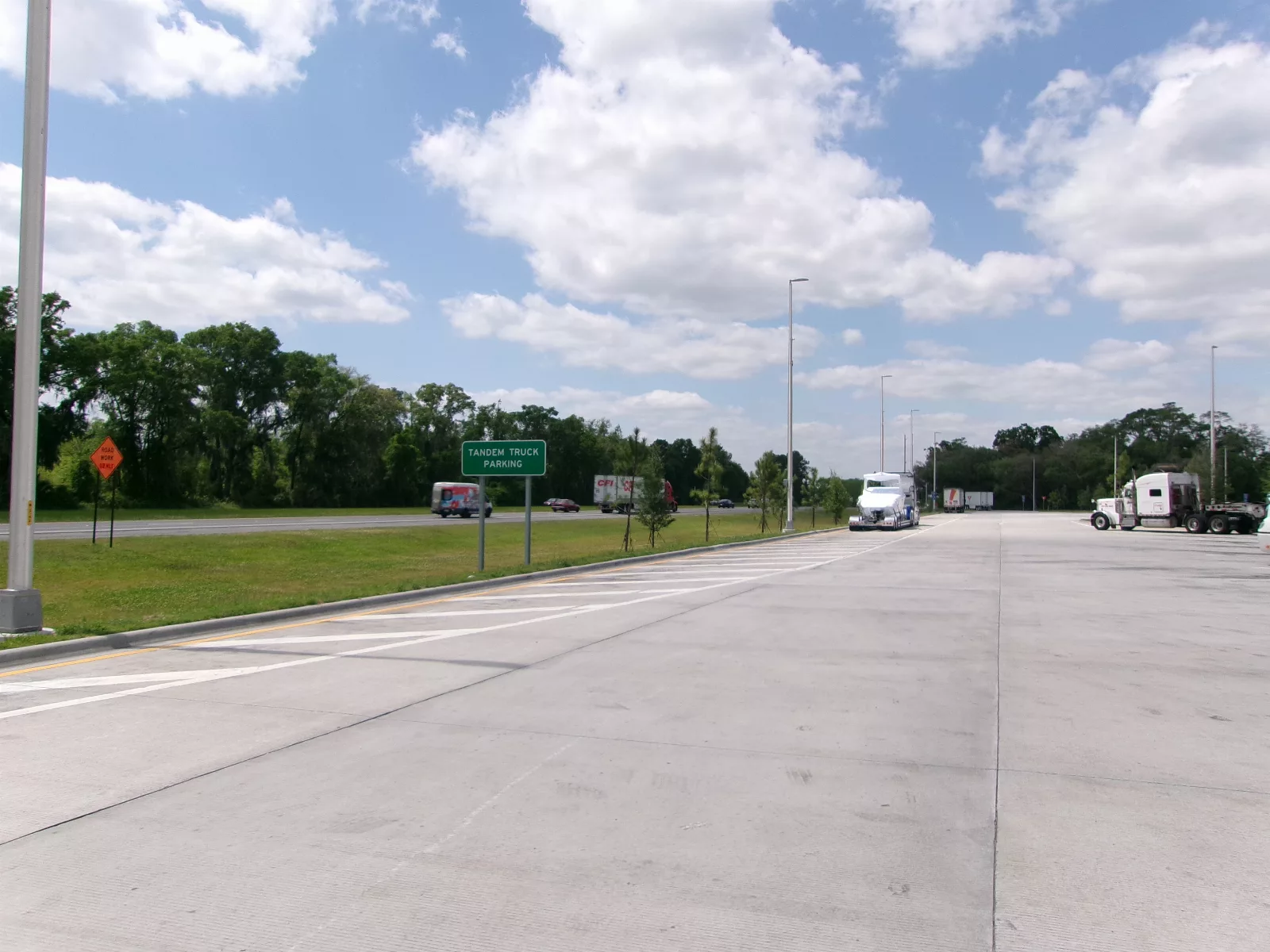
Where can owner-operators park when public rest areas are full?
Government funding and private sector investment are both working to ease the truck parking shortage, according to a new report. The dual approach means more spaces are coming online, but owner-operators still face the same nightly choice: hunt for a free public spot or pay for a private lot.
Public funding typically goes to state DOT projects that add spaces at highway rest areas or weigh stations. Private investment builds reservation-based lots, app-connected parking networks, and truck stops with paid overnight spots. The two streams rarely overlap. An owner-operator running I-80 or I-10 late in the day will hit public rest areas first (free, but often full by 6 p.m.) and fall back to private lots when those are gone.
What private parking actually costs
Paid truck parking runs $12 to $25 per night depending on location and amenities. A driver parking five nights a week pays $240 to $500 a month out of pocket if the carrier doesn't reimburse. Some private networks offer monthly subscriptions that drop the per-night rate, but the upfront cost still hits the driver's settlement before reimbursement clears.
Reservation apps let drivers book a spot ahead of time, which cuts the time spent circling full lots. That saves fuel and hours-of-service clock, but the reservation fee (typically $2 to $5 on top of the nightly rate) adds up over a month.
Why government funding alone won't solve it
Federal and state programs add capacity slowly. A DOT project to expand a rest area can take two to three years from appropriation to ribbon-cutting. Private developers can open a new lot in six to twelve months once they secure the land and local permits. The speed difference means private parking grows faster in high-demand corridors, but it also means drivers pay for access.
Some states are using federal infrastructure dollars to subsidize private lot construction or to buy easements that keep existing truck stops from converting parking to other uses. That hybrid model keeps spots available without requiring the state to own and operate the facility, but it doesn't make the parking free for the driver.
What this means for your monthly parking budget
If you run regional and can plan routes to hit public rest areas early, you can still avoid most paid parking. If you run long-haul or irregular hours, budget $200 to $400 a month for private spots and track whether your carrier reimburses. Some fleets cover parking as a line item on the settlement sheet; others expect drivers to absorb it as a cost of doing business. Ask before you sign a lease or take a job.
The parking shortage isn't going away in 2026. Both funding streams are adding capacity, but demand is growing faster. Private lots are filling the gap, and owner-operators are paying for it one night at a time.