Supreme Court Ruling Shifts Broker Liability, Vetting Gaps Now Courtroom Risk
A May 2026 Supreme Court decision allows state-by-state negligence claims against brokers who tender loads to unsafe carriers. Legal experts say documented vetting procedures are now litigation insurance.

Will brokers face lawsuits if they hire an unsafe carrier?
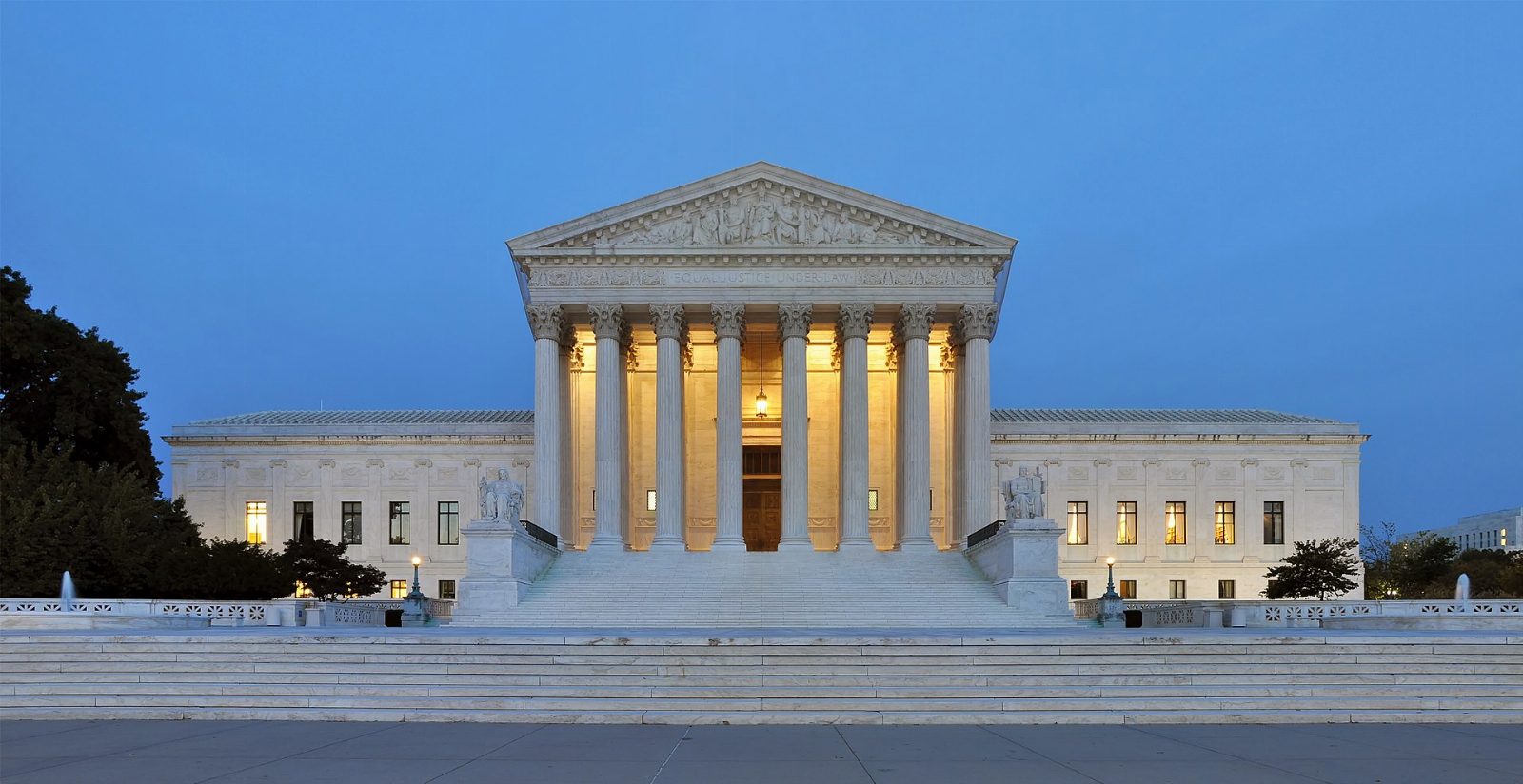
Yes. A Supreme Court ruling handed down in May 2026 allows states to impose their own liability standards on freight brokers who connect shippers with carriers that cause crashes. The Transportation Intermediaries Association warned the decision creates "new uncertainty" and increases litigation exposure for brokers nationwide.
The ruling reverses decades of federal preemption. Until now, brokers argued that FMCSA safety standards, applied to carriers, not brokers, shielded them from state negligent-hiring claims. That shield is gone. Brokers who skip carrier vetting or rely on outdated safety snapshots now face state-court negligence suits when a carrier they hired causes a wreck.
What brokers are saying
TIA President and CEO Chris Burroughs called the decision "deeply disappointing," noting that "the law and legal precedent for decades has given the federal government, not states, the responsibility for setting safety standards for motor carriers." He emphasized that brokers do not operate trucks or employ drivers directly but instead connect shippers with federally licensed carriers.
TIA said brokers should "continue to strengthen carrier selection and documentation procedures" while lower courts work out the legal implications. The organization warned the ruling could increase costs throughout the supply chain as brokers add compliance layers to avoid state-by-state liability.
Why this matters to small carriers
Brokers under litigation pressure will tighten carrier onboarding. Expect more frequent SAFER pulls, insurance-certificate checks, and safety-score thresholds. Carriers with recent crashes, out-of-service violations, or lapsed insurance will find fewer brokers willing to tender loads.
The flip side: brokers who cut corners on vetting now carry courtroom risk. A broker who skips a SAFER check or ignores a carrier's conditional rating may face a negligence claim if that carrier causes a crash. Legal experts told TruckingInfo that formal, documented vetting procedures are now "litigation insurance": the paper trail that shows the broker did due diligence.
The new liability landscape will push brokers toward automated carrier onboarding platforms that timestamp every verification step. Services like Carrier Packet Link archive insurance certificates, pull SAFER snapshots, and generate audit trails brokers can produce in court. Brokers who still run vetting through email and spreadsheets will struggle to prove they performed due diligence when a plaintiff's attorney asks for timestamped records.
What carriers should verify before signing a rate con
Small fleets can use the new broker pressure to their advantage. When a broker asks for your insurance certificate, your SAFER snapshot, or your safety score, you know they're running a real vetting process. Brokers who skip those steps are either ignorant of the new liability landscape or willing to gamble: both red flags.
Before you pull a load, verify the broker's active authority and bond status the same way brokers now verify yours. A broker operating without a current BMC-84 bond or with a revoked license is a non-payment risk. The Supreme Court ruling shifts broker liability for carrier safety; it does not change the fact that brokers still disappear with carrier money when their bond lapses or their cash flow collapses.
The vetting standard carriers can expect
Brokers will now document every carrier check. Expect requests for:
- Current insurance certificate (auto liability, cargo, general liability)
- SAFER snapshot dated within 30 days
- W-9 and operating authority confirmation
- Safety score or CSA percentile if the broker uses a third-party vetting platform
Carriers who keep those documents current and accessible will move faster through broker onboarding. Carriers who let insurance lapse or ignore out-of-service orders will find brokers walking away: the litigation risk is now too high.
What happens next in lower courts
The Supreme Court decision sets the framework. State courts will now decide what "reasonable care" means when a broker selects a carrier. Does a broker need to pull a SAFER report every time? Does a single crash disqualify a carrier? Does the broker need to verify the driver's CDL and medical card, or is that still the carrier's responsibility?
Those questions will play out case by case. Brokers who document their vetting process, timestamped SAFER pulls, insurance-certificate archives, written carrier-selection policies, will have a defense. Brokers who rely on a handshake and a rate con will not.
The takeaway for small fleets
The Supreme Court ruling makes broker vetting a two-way street. Brokers now face state-court liability if they hire an unsafe carrier. That pressure will trickle down as stricter onboarding requirements, more frequent safety checks, and faster disqualification of carriers with poor scores.
Small fleets should treat this as a sorting mechanism. Brokers who ask for your insurance certificate and pull your SAFER report are brokers who plan to stay in business. Brokers who skip those steps are brokers gambling with their own liability, and possibly with your payment.
Keep your insurance current. Keep your SAFER profile clean. Keep copies of every document a broker requests. The brokers who survive the new liability landscape will be the ones who can prove they vetted you. Make sure you can prove you vetted them.