Schneider CEO Says Freight Upcycle Has Taken Hold in Q1 Earnings Call
Mark Rourke told investors April 30 the carrier sees sustained demand recovery — a signal that fleets may finally start releasing deferred equipment orders.

Schneider CEO Mark Rourke told investors April 30 that the freight upcycle has finally taken hold, marking the first time a major carrier executive has declared the downturn over in an earnings call. The statement came as Schneider reported first-quarter 2026 results.
What does Schneider's freight-upcycle call mean for equipment orders?
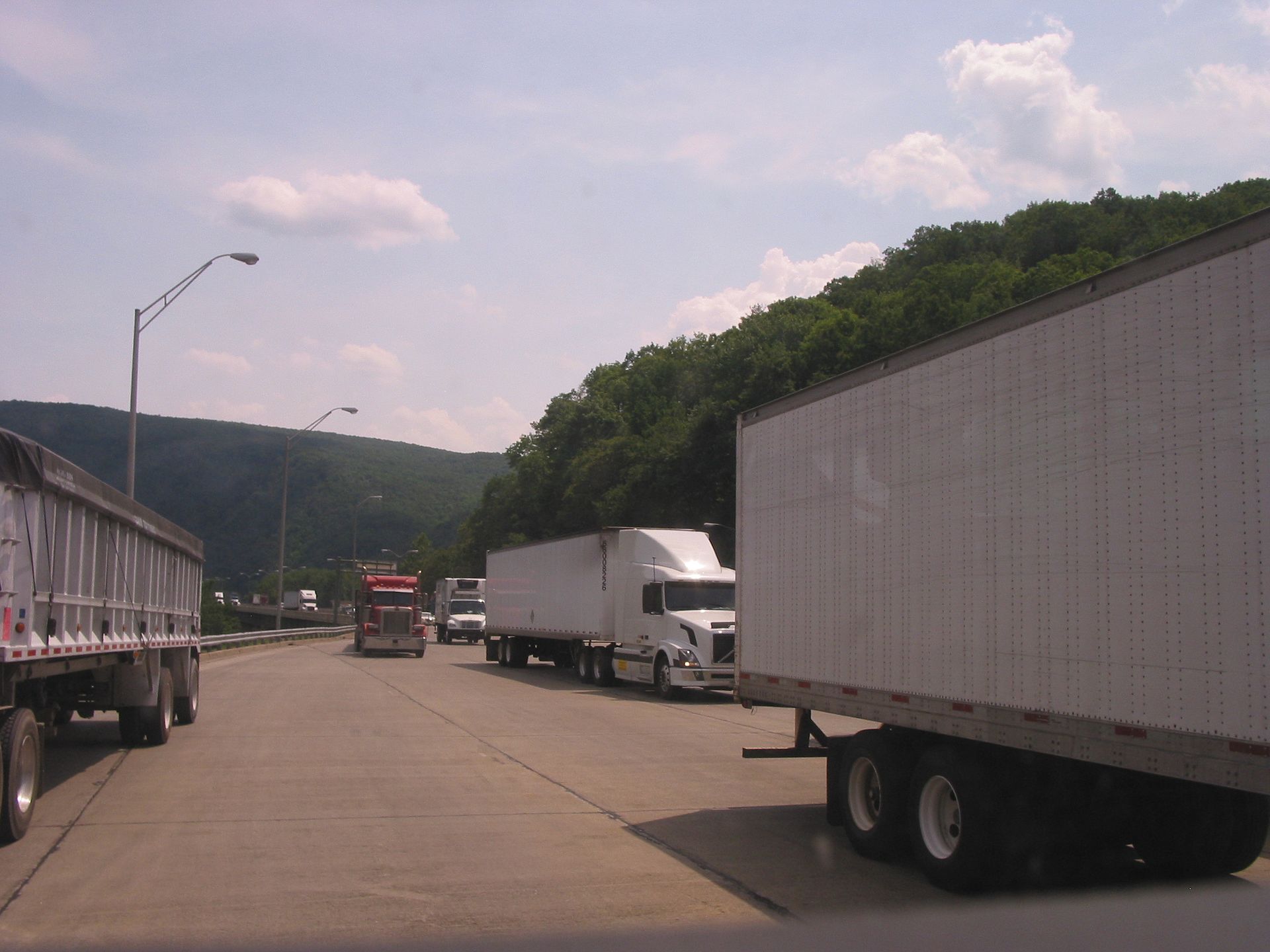
Rourke's optimism suggests carriers that deferred tractor and trailer orders through 2024 and 2025 may start releasing specs in the second half of 2026. Schneider operates one of the largest for-hire fleets in North America — roughly 10,000 tractors and 36,000 trailers as of year-end 2025 — so the carrier's read on demand carries weight with OEMs and dealers watching order boards.
The timing aligns with March tonnage posting the strongest year-over-year gain since October 2022, a 2.1 percent increase in the first quarter that the American Trucking Associations attributed to sustained freight activity rather than one-time inventory restocking. If tonnage and utilization hold through Q2, fleets will face a choice: keep running aging iron or commit capital to replacement units before lead times stretch again.
How Schneider's fleet-replacement cycle affects the used market
When a carrier the size of Schneider begins cycling out 2019–2021 model-year tractors, the used market absorbs a wave of high-mileage but well-maintained units. Owner-operators and small fleets shopping for sub-$50,000 sleepers should expect more inventory by late 2026 if Rourke's upcycle call proves correct and Schneider accelerates trade-ins.
The flip side: if demand stays strong and Schneider holds older units in service longer to meet contract commitments, used prices stay elevated and small fleets face another year of deferred replacement. The Q1 earnings call offered no specifics on Schneider's 2026 capex budget or tractor-replacement count, so the equipment impact remains a leading indicator rather than a committed plan.
What this means for small fleets and owner-operators
A confirmed freight upcycle changes the math on whether to spec a new tractor now or wait. If Rourke is right and utilization climbs through summer, OEM order slots will tighten and delivery windows will stretch from 90 days back toward the six-month lead times common in 2021–2022. Fleets that locked in 2026 delivery slots in late 2025 — when factories were offering steep incentives to fill production schedules — will avoid the price creep that typically follows a demand surge.
For owner-operators, the calculus is simpler: if freight is genuinely recovering, a truck payment becomes easier to cover, but only if the upcycle lasts long enough to justify the debt. Schneider's scale gives it visibility into contract renewals and bid activity that small fleets don't see until months later, so Rourke's statement is worth weighing against your own lane's load count and rate trend before committing to a purchase.