US Cooking-Oil Imports From China Accelerate as Diesel Hits $101
Iran war and new biofuel mandates push American refiners toward Chinese feedstock — what the shift means for diesel supply and fuel costs at the pump.


American imports of used cooking oil from China are set to accelerate as new U.S. biofuel-blending requirements take effect and the Iran conflict pushes crude above $101 per barrel, making the feedstock a relative bargain for domestic refiners.
Why Are US Refiners Buying More Chinese Cooking Oil?
U.S. biofuel-blending mandates now require higher volumes of renewable diesel and biodiesel in the fuel mix. At the same time, Brent crude jumped 2.3% to $101.38 per barrel as Iran talks stalled, driving petroleum diesel costs higher. Used cooking oil — a feedstock for renewable diesel — becomes cheaper by comparison when crude spikes, so American refiners are sourcing more from China to meet blending targets without paying the full petroleum premium.
The timing compounds pressure on small fleets already watching diesel climb. Renewable diesel blends can lower per-gallon emissions and qualify fleets for state and federal credits, but the supply chain for feedstock now runs through Chinese export terminals — adding a new variable to fuel availability and price.
What This Means for Diesel Supply and Pump Prices
Renewable diesel made from used cooking oil burns cleaner than petroleum diesel and drops into existing engines without modification. When refiners blend more of it into the diesel pool, fleets see marginally lower tailpipe emissions and may qualify for Low Carbon Fuel Standard credits in California and Oregon. But the feedstock supply chain introduces risk: any disruption to Chinese cooking-oil exports — port delays, export quotas, quality issues — tightens renewable diesel supply and pushes blended fuel costs higher.
Small fleets running 5 to 50 trucks will not see a line item for "cooking oil" on their fuel receipt, but the blending mandate and feedstock cost show up in the pump price. If Chinese imports flow smoothly, renewable diesel helps cap how high pump prices climb when crude spikes. If imports stall, refiners fall back on more expensive petroleum diesel or other feedstocks like soybean oil, and the pump price rises faster.
Iran Conflict Drives the Feedstock Arbitrage
The Iran war has kept Brent crude above $100 per barrel for three weeks. Petroleum diesel tracks crude with a lag, so rack prices are still climbing in most markets. Used cooking oil, by contrast, is priced off agricultural commodity markets and Chinese export supply — not Middle East geopolitics. That price gap makes the feedstock attractive right now, even after accounting for shipping costs from Asia.
For a 10-truck fleet burning 15,000 gallons per month, every 10-cent move in diesel costs $1,500. If renewable diesel blending keeps the pump price 8 to 12 cents lower than it would be on straight petroleum, the monthly savings run $1,200 to $1,800 — enough to cover a driver's health insurance or a truck payment. The flip side: if Chinese cooking-oil supply tightens and refiners cannot meet the blending mandate, the same fleet pays the penalty in higher fuel costs with no alternative.
What Small Fleets Should Watch
Three indicators tell you whether this feedstock shift helps or hurts your fuel budget:
- Rack price spreads between renewable diesel and petroleum diesel. If the spread widens beyond 15 cents per gallon, refiners are paying more for feedstock and passing it through. If it narrows below 8 cents, the cooking-oil arbitrage is working and you benefit at the pump.
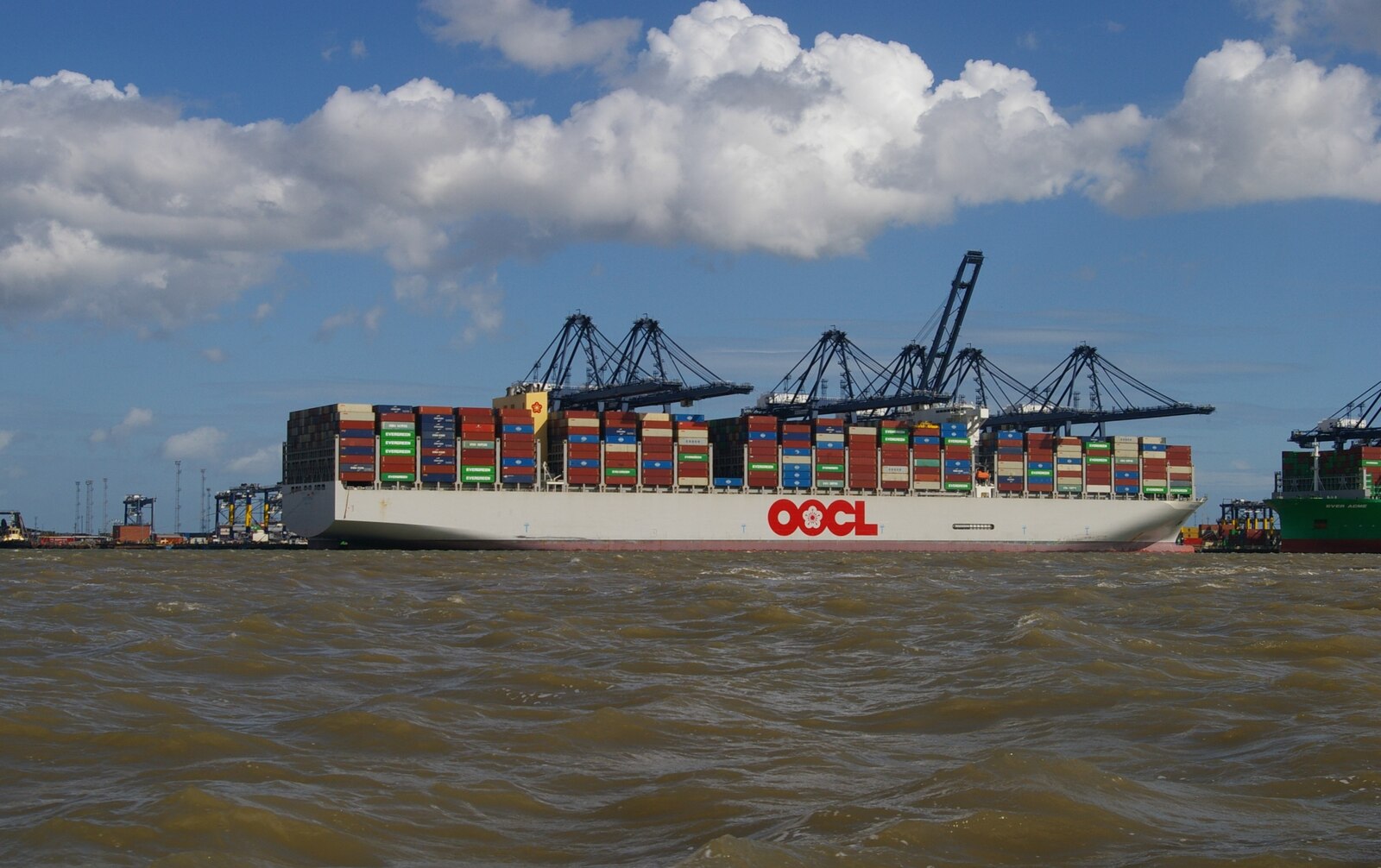
- Chinese export volumes. Any news of Chinese cooking-oil export restrictions, quality scandals, or port delays in Guangzhou or Shanghai will tighten U.S. renewable diesel supply within 60 days — the time it takes a container ship to cross the Pacific.
- State and federal blending mandates. California's Low Carbon Fuel Standard and the federal Renewable Fuel Standard set the volume targets that drive demand for cooking oil. If either mandate increases, feedstock demand rises and so does the price floor for renewable diesel.
The Iran conflict is the immediate driver, but the structural shift is the blending mandate. As long as U.S. policy requires more renewable diesel in the mix, American refiners will keep buying whatever feedstock pencils out cheapest — and right now, that is used cooking oil shipped from China.