Volvo D13 Engine Cleared for 2027 EPA NOx Standard—What Changes
VTNA's updated D13 meets the 2027 nitrogen oxide rule. What the compliance package means for service intervals, aftertreatment, and shop tooling.

What does the 2027-compliant D13 change for fleets?
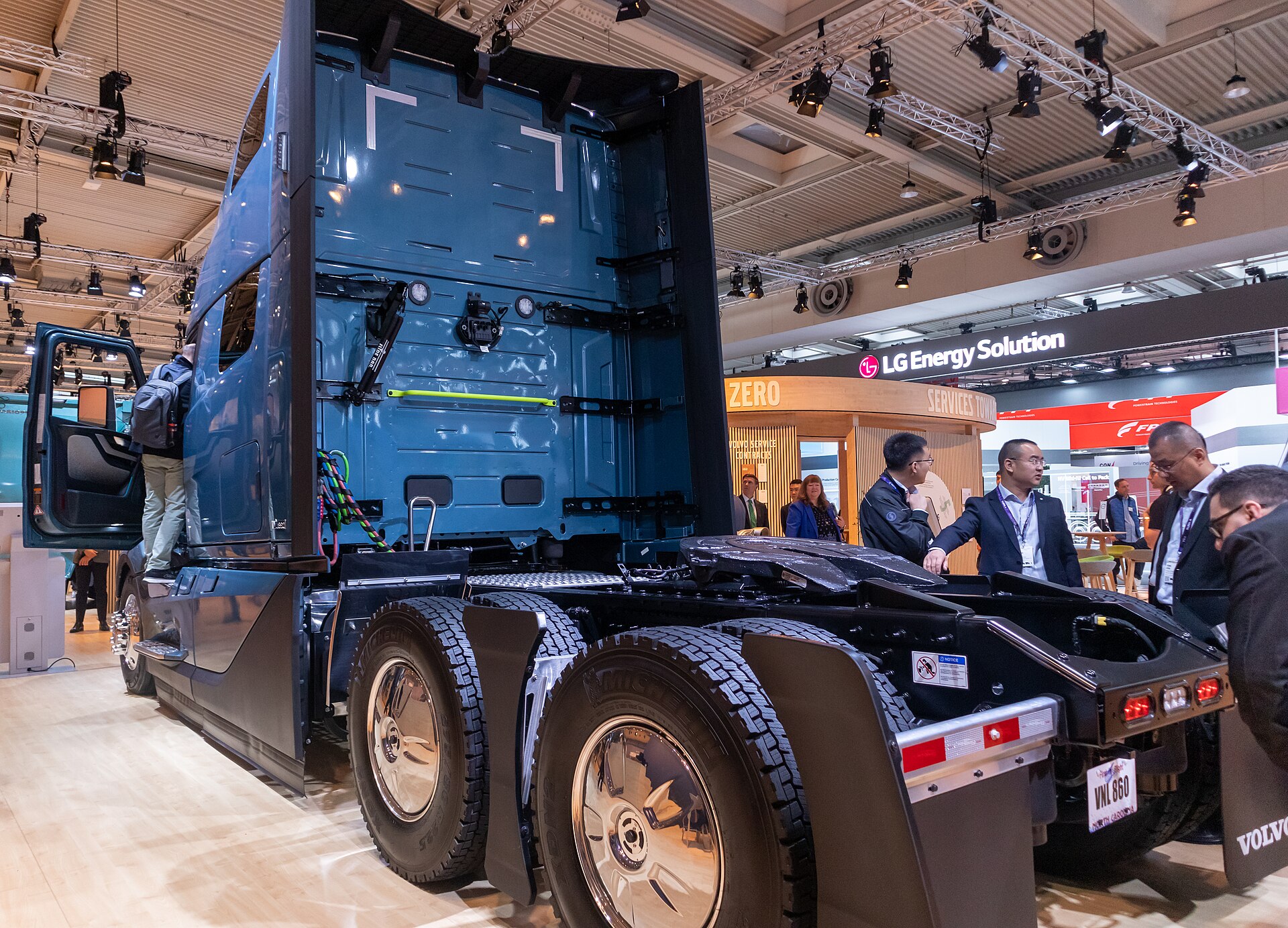
Volvo Trucks North America on May 4 unveiled a D13 engine that meets the 2027 U.S. Environmental Protection Agency nitrogen oxide emissions standard. The announcement confirms the 13-liter platform will carry forward into the new regulatory cycle, though VTNA has not yet disclosed the hardware changes required to hit the tighter NOx limit or what those changes will cost fleets in upfront price, service complexity, or fuel economy.
The 2027 NOx rule and what it demands from engines
The EPA's 2027 standard cuts allowable nitrogen oxide emissions to 0.020 grams per brake horsepower-hour, down from the current 0.20 g/bhp-hr ceiling that has been in place since 2010. That 90 percent reduction forces OEMs to redesign combustion chambers, recalibrate injection timing, and add or enlarge aftertreatment components—selective catalytic reduction catalyst volume, diesel exhaust fluid dosing rates, and exhaust-gas recirculation coolers all typically grow to scrub out the extra NOx.
For fleets, the compliance package historically translates to higher purchase price, more frequent DEF top-offs, additional sensors that can throw fault codes, and longer regen cycles if the aftertreatment system runs rich to compensate for tighter combustion. The 2010 transition added roughly $12,000 to $15,000 per truck in equipment cost and cut fuel economy by 3 to 5 percent in real-world line-haul duty, according to fleet-reported data from that era. Whether the 2027 step imposes a similar penalty or whether a decade and a half of calibration refinement has closed the gap remains the open question every spec'ing manager is asking.
What VTNA has not yet released
VTNA's May 4 announcement did not include:
- Rated horsepower and torque curves for the 2027 D13, or whether those figures change from the current 455 hp / 1,850 lb-ft and 500 hp / 1,850 lb-ft ratings.
- Fuel-economy claims or comparative MPG data against the pre-2027 D13.
- Service-interval changes—oil-drain intervals, DEF consumption rate, DPF cleaning frequency.
- Pricing or the delta between a 2026 D13 and the 2027 version.
- Start-of-production date or when the first customer units ship.
- Warranty terms specific to the new aftertreatment hardware.
Without those details, fleets cannot yet model total cost of ownership or decide whether to pull forward 2026 orders to avoid the new spec. That calculus matters most for small fleets and owner-operators who finance trucks over seven years and cannot absorb an unexpected $10,000 to $15,000 step-up in purchase price or a half-MPG fuel penalty that compounds into $3,000 to $4,000 per year in added diesel cost at 100,000 miles annually.
D13 platform history and market position
The D13 has been Volvo's volume engine in Class 8 tractors since the VN series launched in 2017. The 12.8-liter inline-six uses a compacted-graphite-iron block, common-rail fuel injection, and a single-stage turbocharger with wastegate. Peak torque arrives at 1,000 rpm, which suits linehaul and regional applications where the engine spends most of its duty cycle between 1,200 and 1,500 rpm. Volvo pairs the D13 with its proprietary I-Shift automated manual transmission in the VNL and VNR models.
The D13's competitive set includes the Cummins X15, PACCAR MX-13, and Detroit DD15. All four OEMs must meet the same 2027 NOx standard, and all four have announced compliance programs but have withheld the service and cost details fleets need to compare platforms. Cummins has said the X15 will remain in production through the 2027 transition; PACCAR and Daimler Truck North America have made similar commitments for the MX-13 and DD15. No major OEM has yet published a side-by-side comparison of 2026 versus 2027 fuel economy, maintenance intervals, or warranty coverage for any of these engines.
What fleets should ask before the 2027 transition
Fleets planning truck purchases in the next 18 months should press OEM sales reps and dealer service managers for:
- Fuel-economy impact. Request dyno test results or customer-fleet pilot data showing real-world MPG for the 2027 engine in the same duty cycle as the current model. If the OEM cannot provide that data yet, ask when it will be available and whether early-adopter fleets will have a buyback or trade-in option if fuel economy falls short of the claim.
- Service-interval changes. Confirm oil-drain intervals, DPF cleaning frequency, and DEF consumption rate. If DEF usage climbs from 2 percent of diesel consumption to 3 or 4 percent, that adds cost and requires more frequent stops at DEF pumps or bulk tanks.
- Aftertreatment warranty. The 2027 NOx standard will likely require larger or more complex SCR and DPF units. Ask whether the OEM extends aftertreatment warranty coverage beyond the current five years / 100,000 miles, and whether that warranty includes labor and towing if a sensor or injector fails on the road.
- Parts availability. New sensors, injectors, and SCR components mean new part numbers. Confirm lead times for common failure items and whether the dealer network has stocked service parts before customer units ship.
- Software-update cadence. Tighter emissions calibrations often require more frequent over-the-air or dealer software updates to optimize fuel maps and regen schedules. Ask how often the OEM expects to push updates and whether those updates require downtime or can install while the truck is parked overnight.
When the 2027 D13 matters for your fleet
If you run Volvo VNL or VNR tractors and plan to replace units in 2027 or 2028, the updated D13 will be the only option unless you pull forward orders to take delivery of 2026-spec trucks before the cutover. That decision hinges on the price and fuel-economy delta, which VTNA has not yet disclosed.
If you run a mixed fleet with Cummins, PACCAR, or Detroit power, the D13's 2027 compliance does not change your spec decision until all four OEMs publish comparable data. At that point, the platform with the smallest fuel penalty, longest service intervals, and lowest aftertreatment failure rate wins—not the one that announced compliance first.
For owner-operators financing a single truck, the 2027 transition is a forced hand. You cannot avoid the new spec if you buy new in 2027 or later. The question is whether to buy a 2026 truck now and lock in the current fuel economy and service intervals, or wait for 2027 data and risk a higher purchase price and tighter maintenance schedule. That decision requires the fuel-economy and TCO numbers VTNA has not yet released.