Werner Doubles Mexico Intermodal Fleet to 800 Containers by Year-End
Omaha carrier bets on nearshoring demand and cross-border conversion as fuel and truckload rates climb.


Werner Enterprises is doubling its intermodal container fleet in Mexico to 800 units by the end of 2026, adding 400 containers to capture cross-border freight as nearshoring investment flows into the country and truckload rates climb.
Why is Werner expanding intermodal capacity in Mexico now?
The Omaha-based carrier is using the freight cycle inflection to expand its Mexico footprint. Nearshoring — the shift of manufacturing from Asia to Mexico — has brought incremental foreign direct investment across the country, particularly in automotive and industrial corridors. At the same time, rising fuel prices and truckload rates are creating conversion opportunities: shippers who moved freight by truck during the soft market are now pricing intermodal alternatives. Brent crude jumped 2.3% to $101.38 per barrel in late April as Iran talks stalled, pushing diesel costs higher and widening the spread between truckload and rail.
Werner's intermodal revenue increased 16% in 2025 to approximately $129 million — 15% of the company's total logistics revenue of $857 million. Intermodal loads were up 17% year-over-year, while revenue per load was flat. The new container deployment targets Monterrey and Silao first, with Mexico City additions planned for the second half of the year.
What Werner is deploying
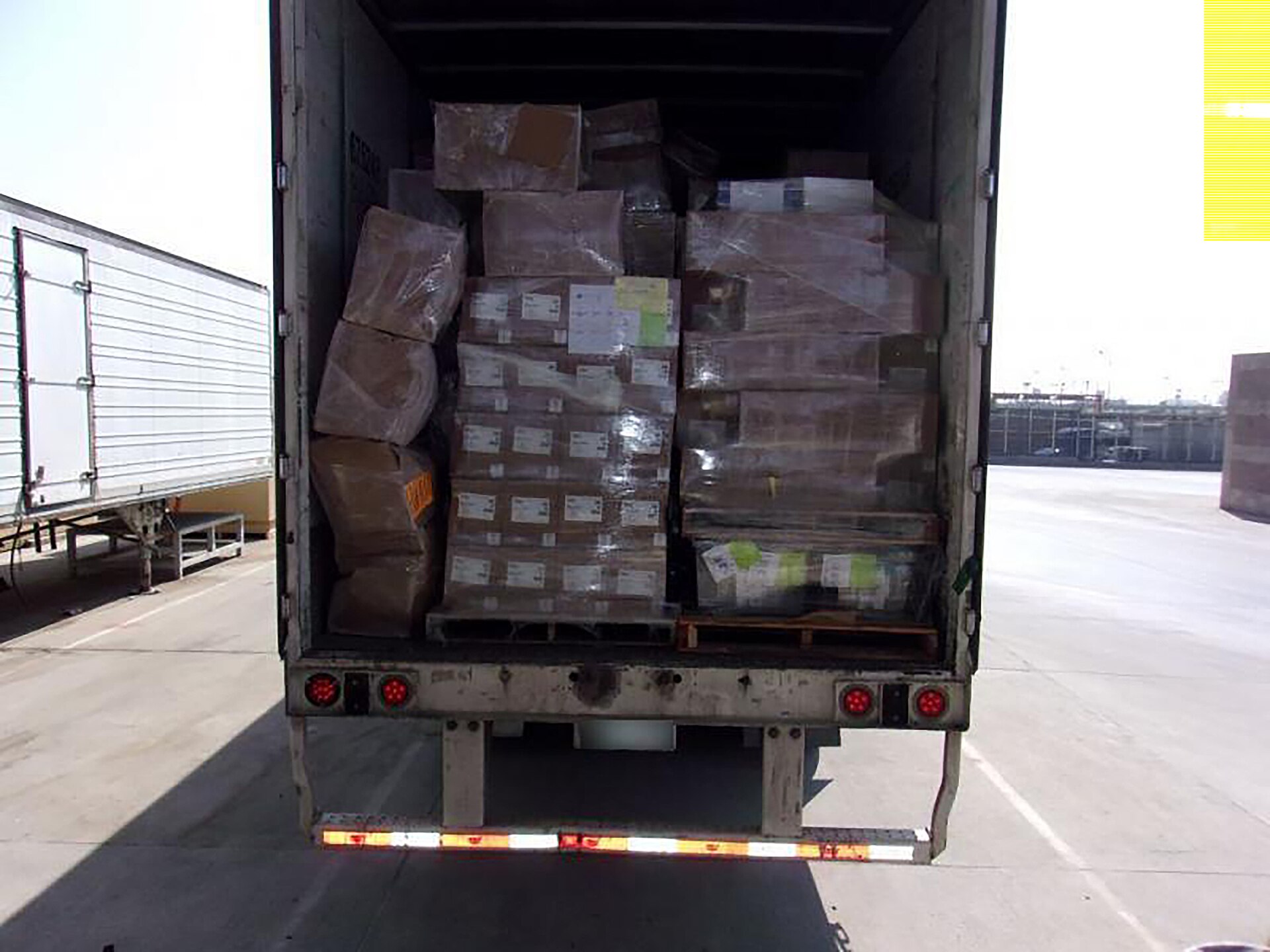
The expansion brings Werner's Mexico intermodal fleet to 800 53-foot containers, all equipped with GPS location sensors and cargo cameras. The company uses only C-TPAT certified carriers for cross-border shipments — a security standard required by U.S. Customs and Border Protection for expedited clearance.
"We want Mexican businesses to know there is a local, asset-based solution ready for them," said Bernardo Alexander, Werner's commercial vice president of Mexico. "With our long, trusted history in Mexico since 1999, we have the expertise to simplify cross-border shipping."
Werner entered Mexico in 1999 and has operated cross-border lanes for 27 years. The company offers 24/7 bilingual support for cross-border shipments.
The nearshoring bet
Foreign direct investment into Mexico has accelerated since 2022 as manufacturers diversify supply chains away from China. Automotive, electronics, and industrial equipment plants have opened or expanded in Monterrey, Silao, and the Bajío region — all areas Werner is targeting with the new container capacity.
Intermodal conversion typically picks up when the truckload-to-rail price spread widens. With domestic truckload rates climbing and diesel prices elevated, shippers are re-evaluating mode mix. Werner's container fleet gives it a direct play on that shift without relying on third-party equipment providers.
What this means for cross-border capacity
Werner's 400-container addition is a bet that cross-border intermodal volume will grow faster than truckload in the next 18 months. For small fleets running cross-border lanes, the move signals tightening competition on high-volume corridors where intermodal is viable — primarily Monterrey-to-Texas and Silao-to-Laredo routes. Lanes that don't pencil for intermodal — short-haul, time-sensitive, or rural pickup/delivery — remain truckload territory.
Werner will report first-quarter 2026 results after the market closes April 29. The intermodal expansion comes as the company navigates a freight market that has shown signs of tightening — March tonnage posted the strongest year-over-year gain since October 2022 — but remains below pre-pandemic import volumes.
The takeaway for small fleets
Werner's container deployment won't directly affect most owner-operators, but it's a signal of where large carriers see margin opportunity. If nearshoring demand materializes and intermodal conversion accelerates, cross-border truckload lanes could see rate pressure on high-volume corridors where rail is competitive. Lanes that require final-mile flexibility or serve destinations off the intermodal grid remain insulated. Watch diesel prices and contract rate announcements from other cross-border carriers — if Werner's bet pays off, others will follow.