Chinese Cargo Carrier Air Central Wins US Approval for July Flights
Air Central received one-year DOT authority to fly 747 freighters from Zhengzhou to Chicago and Los Angeles three times weekly starting July 2026.

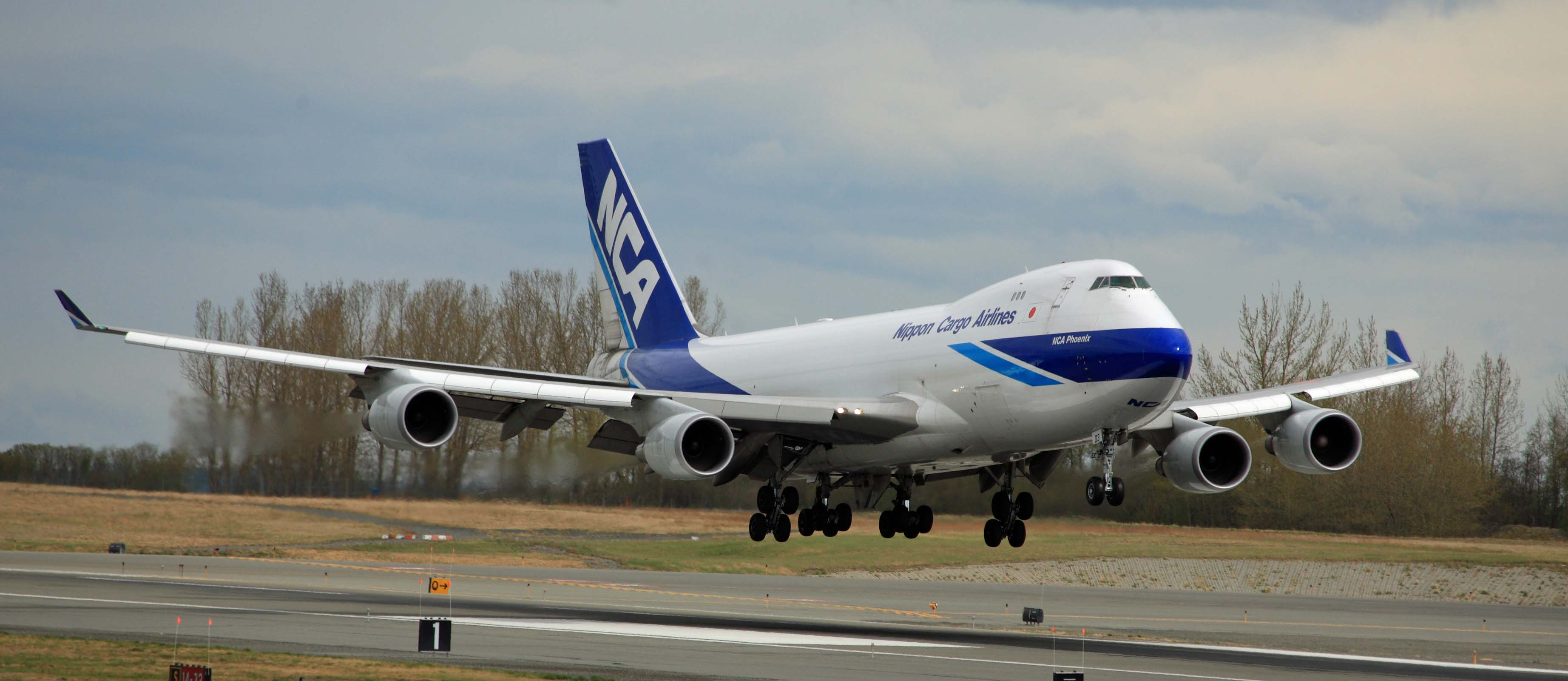
Air Central, a Chinese cargo airline owned by Henan Province, received temporary U.S. Department of Transportation authority to operate scheduled all-cargo flights to the United States starting in July. The DOT granted China Central Longhao Airlines Co — Air Central's legal name — a one-year exemption from the full foreign air carrier permit process, allowing the carrier to serve U.S. destinations through April 20, 2027.
What routes will Air Central fly to the US?
Air Central plans to launch three-times-weekly service in July from its Zhengzhou hub to Chicago and Los Angeles using two Boeing 747-400 freighters. The carrier applied for a temporary exemption rather than a full permit, which typically involves a longer review process. The DOT approved the request in one month.
Air Central was founded in 2015 and acquired by the Henan provincial government in 2019. The carrier operates primarily in the domestic China market with a fleet of six Boeing 737-800 converted freighters, five older 737-300s, one 737-400, and one Chinese-made Comac C909. The two 747s represent the company's international widebody capacity.
How fast is Air Central expanding its international fleet?
The carrier's expansion plan calls for two additional widebody freighters by the end of 2026, which Air Central says will deepen penetration of European and South Asia markets and open additional U.S. routes. Between 2027 and 2030, the company plans to add four more widebody freighters, bringing the widebody fleet to eight aircraft.
The one-month approval timeline stands in contrast to other Chinese carriers seeking U.S. authority, though the source material does not detail those cases. The temporary exemption allows Air Central to test U.S. demand without committing to the full permit process upfront.
What this means for transpacific air cargo capacity
Air Central's entry adds six weekly widebody frequencies to the Zhengzhou–U.S. market by year-end 2026, assuming the carrier deploys both existing 747s and the two planned additions on U.S. routes. Zhengzhou is a major air cargo hub in central China, home to a Foxconn manufacturing complex and a bonded logistics center.
The carrier's domestic fleet of converted 737 freighters suggests a focus on e-commerce and express cargo, though the application does not specify what commodities Air Central will carry on U.S. routes. Widebody freighter capacity on transpacific lanes affects trucking indirectly — higher air cargo volumes can pull time-sensitive freight off ocean containers, tightening drayage demand at West Coast ports when shippers shift modes.
Air Central's approval does not change the bilateral air cargo agreement between the U.S. and China, which governs total frequencies and designations. The temporary exemption expires in April 2027, at which point the carrier must either apply for a full permit or cease U.S. operations.