Norfolk Southern Q1 Earnings Drop 2% as February Weather Cuts Rail Volume
Winter storms knocked intermodal traffic down 4% in February; coal up 9% but fuel costs and CSX-BNSF alliance bite into margin.

Norfolk Southern's first-quarter operating income fell 2% to $939 million on flat revenue of $2.99 billion, the railroad reported Friday. Adjusted earnings per share slipped 1% to $2.65. The culprit: February weather that CEO Mark George said "put real pressure on the network and our volumes," followed by a March fuel-price spike that ate into margin even as volume recovered.
Why did Norfolk Southern's intermodal volume drop in Q1?
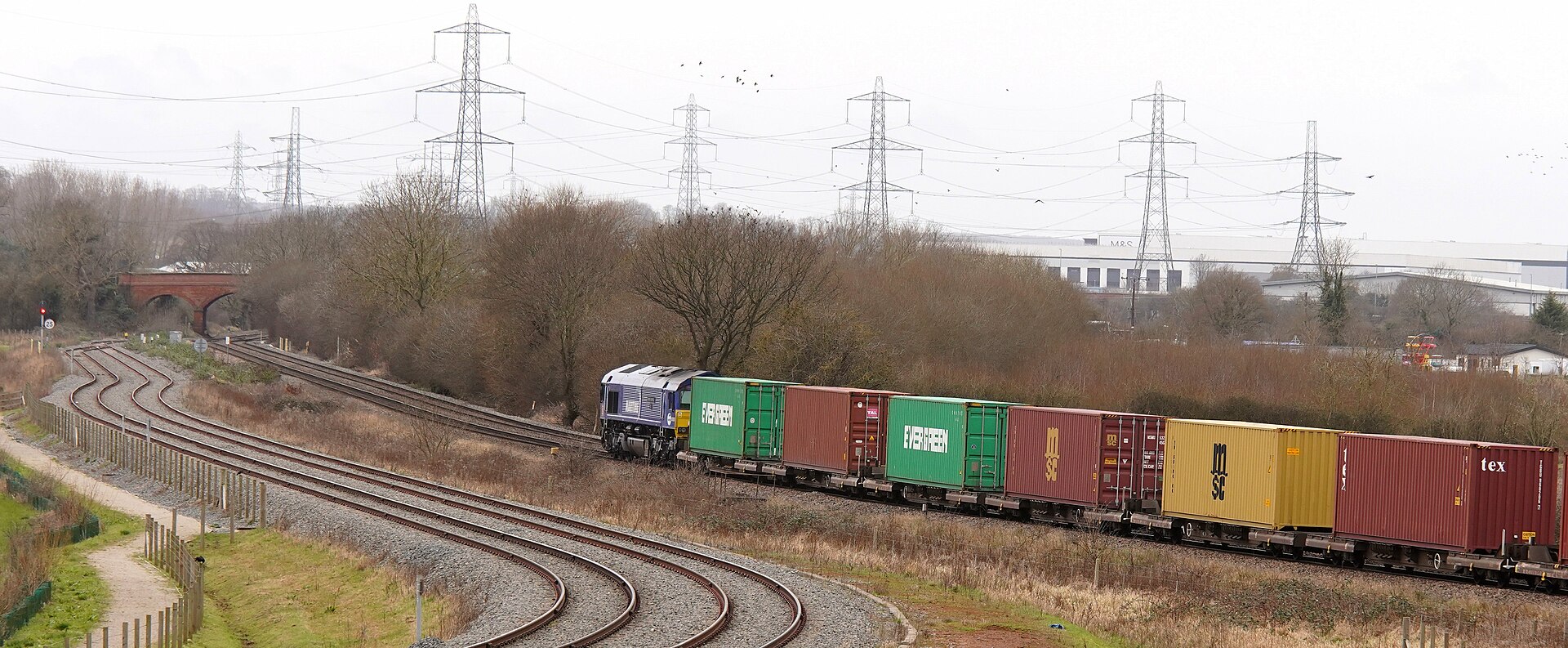
Intermodal traffic fell 4% for the quarter, driven by a 9% decline in international containers compared to the tariff-driven surge a year earlier. Chief Commercial Officer Ed Elkins also cited "merger-related domestic intermodal business losses" — a reference to freight migrating to CSX thanks to its intermodal alliance with BNSF Railway. Some of Norfolk Southern's domestic box traffic is now moving on CSX iron, a shift that shows up in every quarterly comparison until the baseline resets.
Overall volume dropped 1% for the quarter. Coal was the bright spot, up 9%, and merchandise carloads posted a 1% gain. But the intermodal slide — the highest-margin segment for most Class I railroads — pulled the average down.
What February weather did to the network
"We successfully navigated another challenging winter with weather events that affected most of our territory," George said on Friday's earnings call. The storms hit hardest in February, crimping volume across Norfolk Southern's Eastern footprint. By March, "as conditions normalized and our network recovered, we were able to capture the available volume," George said, and the railroad "exited the quarter with solid momentum."
That March recovery kept revenue flat year-over-year at $2.99 billion, but it wasn't enough to offset the volume loss and cost pressure earlier in the quarter.
Fuel and storm costs squeeze margin
Norfolk Southern's adjusted operating ratio — the percentage of every revenue dollar spent on operations — rose 0.8 points to 68.7%. Lower is better; the uptick signals tighter margin. George attributed the pressure to "inflationary pressures, storm costs, and sharply higher fuel prices" in March, even as the railroad held total adjusted expenses to a 1% year-over-year increase.
For trucking operations that compete with or feed intermodal, the fuel dynamic is familiar: a March diesel spike hits everyone's settlement, but railroads can't reroute a train the way a dispatcher can shift a truck to a better-paying lane. The result is margin compression that shows up in the OR.
East Palestine and merger costs still in the numbers
The $939 million operating income figure is adjusted to exclude ongoing financial impact from the February 2023 derailment in East Palestine, Ohio, and costs tied to Norfolk Southern's now-abandoned merger discussions. Without those adjustments, the headline number would be lower. The railroad has been carrying East Palestine-related expenses for more than three years; Norfolk Southern's Q1 profit fell 27% when the insurance bump from that derailment ended, exposing the baseline cost structure.
What a 4% intermodal drop means for drayage and transload lanes
A 4% decline in rail intermodal volume doesn't stay on the tracks. Drayage carriers moving containers to and from Norfolk Southern ramps saw fewer dispatches in February and March. Transload facilities that depend on steady box counts felt the same pinch. The 9% drop in international traffic — last year's tariff surge created an easy comp — means West Coast and East Coast port dray volume tied to Norfolk Southern lanes ran lighter than the same quarter a year ago.
The CSX-BNSF alliance is pulling domestic intermodal freight that used to move on Norfolk Southern, a structural shift that won't reverse when the weather clears. For owner-operators and small fleets working dray contracts tied to NS ramps, that's a lane-by-lane question: which facilities are seeing box counts hold, and which are bleeding volume to CSX terminals.
Coal's 9% jump and what it signals
Coal traffic up 9% is the flip side of the intermodal story. Utility demand for coal — driven by colder-than-normal February temperatures and natural gas price swings — put more unit trains on Norfolk Southern's network. For trucking, that translates to steadier demand for coal-country backhauls and equipment moves in Appalachia and the Powder River Basin, though Norfolk Southern's Eastern footprint skews toward met coal and utility coal out of West Virginia and Kentucky.
Merchandise carloads up 1% is a flat-to-slightly-positive signal for general freight demand. It's not a boom, but it's not a contraction either — consistent with a freight market that's running steady but not tight.
The margin question for small fleets
Norfolk Southern held expenses to a 1% increase despite storm costs and fuel spikes. That's the kind of cost discipline a 50-truck fleet can't match — a railroad negotiates fuel contracts and spreads storm-recovery costs across a 19,000-mile network. A five-truck operation pays retail diesel and eats the cost of a driver stuck in a February ice storm with no load to show for the day.
The 0.8-point operating-ratio increase is a reminder that even the largest freight operators are fighting margin pressure in early 2026. When a Class I railroad with $3 billion in quarterly revenue sees its OR tick up, it's a signal that fuel and weather are hitting everyone's bottom line — and the carriers without Norfolk Southern's pricing power are feeling it harder.