Covenant Reports Driver Market Tightening for First Time in 40 Months
Chattanooga carrier sees Q1 net income fall to $4.4M but says capacity is shrinking, driver pay talks are back, and rate momentum is building into Q2.

Why are driver wages suddenly back in play?
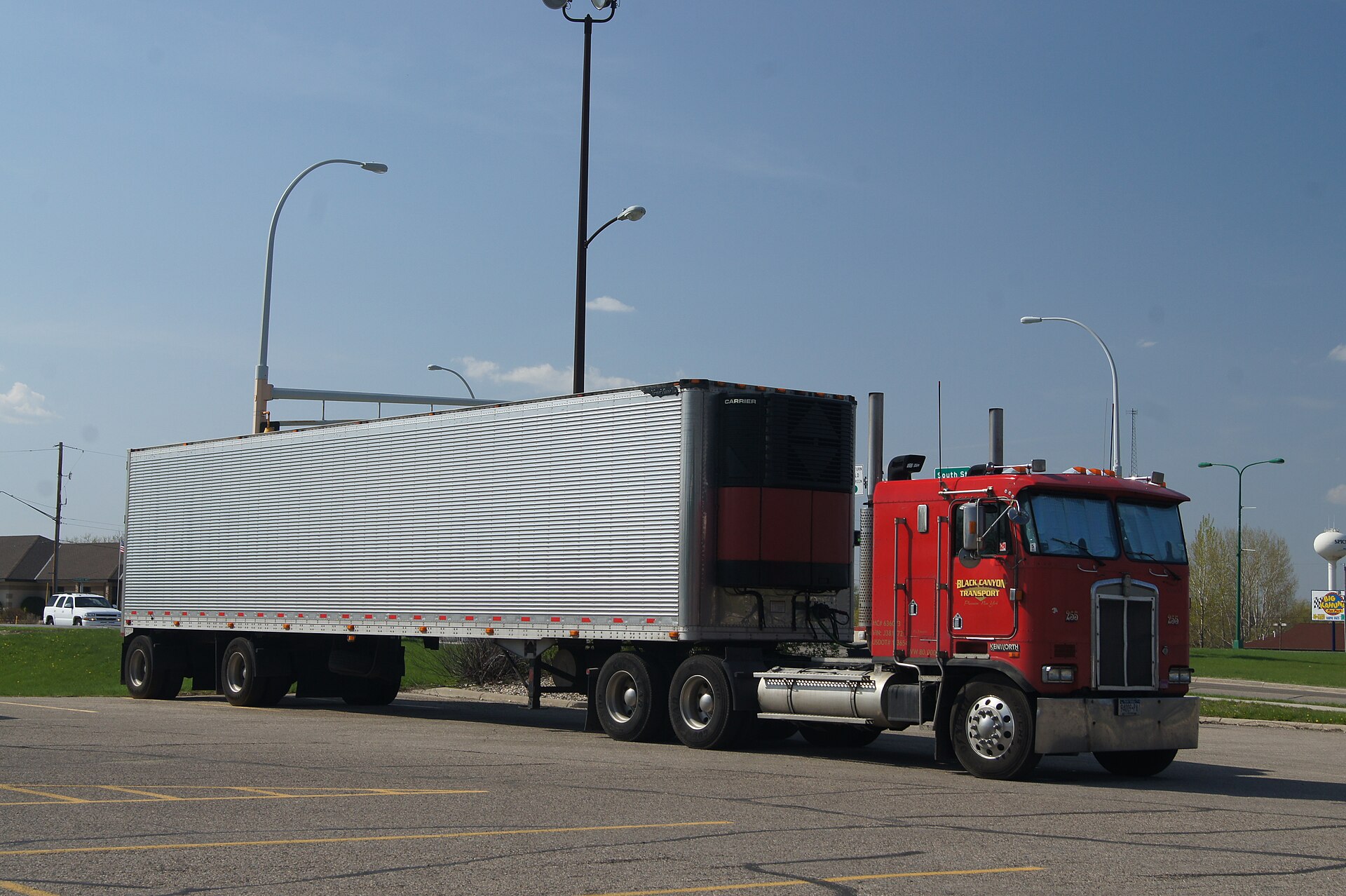
Covenant Logistics Group CEO David Parker told investors Friday that drivers are getting tight for the first time in 40 months — and that driver pay discussions are reemerging across large customer accounts. The Chattanooga carrier reported first-quarter net income of $4.4 million, or $0.17 per share, missing expectations as winter weather and fuel costs cut into margins. But Parker said conditions improved meaningfully as the quarter progressed and are continuing into Q2.
"We believe [conditions] will continue to improve throughout the year," Parker said, citing a strengthening pipeline of committed truckload capacity and growing customer demand.
The 40-month figure marks the longest driver-surplus stretch in recent memory. For small fleets, the shift means two things: recruiting may get harder, and the wage floor may start moving up. Covenant executives said the combination of reduced fleet capacity and improving industrial demand is setting the stage for rate increases, though rising driver wages could offset some of that upside.
What Covenant is seeing in dedicated demand
Parker said the company is seeing stronger engagement from shippers seeking dedicated capacity — the most interest since 2021 or 2022. "We're seeing more people want to talk about dedicated capacity almost since '21 or '22," he said.
Dedicated contracts typically lock in capacity for a shipper in exchange for guaranteed volume and stable rates. The renewed interest suggests shippers are less confident they can source capacity on the spot market when they need it — a reversal from the past two years, when excess trucks kept spot rates depressed and shippers had little reason to commit.
For owner-operators and small fleets, dedicated lanes offer steadier revenue but require the ability to commit trucks for months at a time. The trade-off: you give up the upside of a hot spot market in exchange for predictable settlement checks. If Covenant's pipeline is any indication, shippers are willing to pay for that certainty again.
Capacity exits and the rate outlook
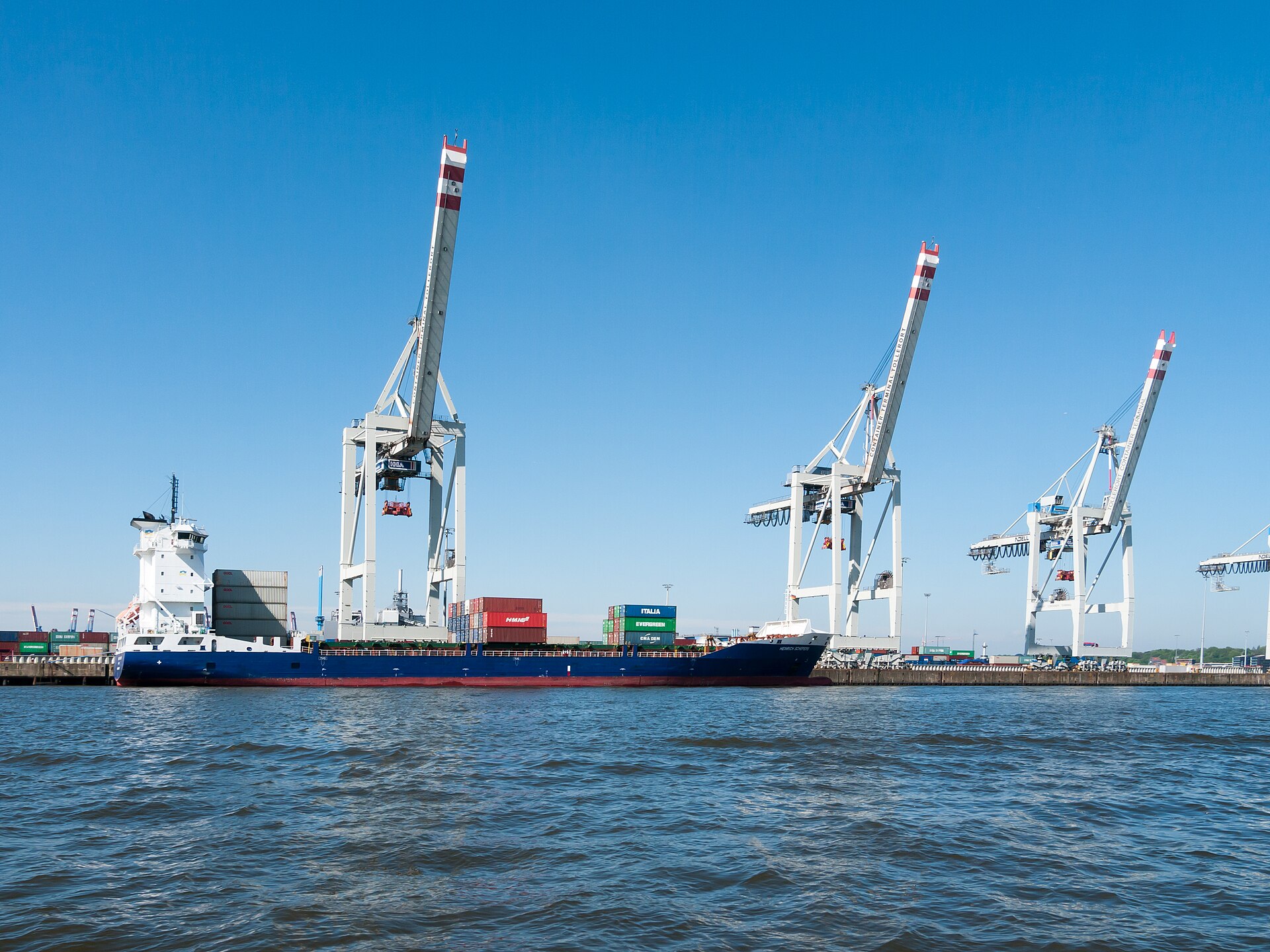
Covenant's comments align with Knight-Swift's report this week that carriers are rejecting awarded bids as spot rates climb. Both carriers are pointing to the same dynamic: fleet exits during the downcycle have removed enough trucks that the remaining capacity can't absorb demand spikes without rate movement.
Parker did not cite specific per-mile rate increases on the call, but the company's tone shifted from cautious to constructive. Executives said they expect rate momentum to build through the year as capacity tightens further.
The caveat: driver wage inflation. If fleets have to raise driver pay to retain and recruit, some of the rate gains will go straight to payroll rather than the bottom line. For a 10-truck fleet, a $0.05-per-mile driver pay increase on 100,000 miles per truck per year adds $50,000 to annual labor costs.
What the first quarter looked like
Covenant's Q1 net income of $4.4 million was down from prior-year levels, with winter weather disrupting operations and fuel costs eating into margins. The company did not break out specific fuel cost increases, but the quarter coincided with diesel prices that remained elevated through February before dropping in March.
The miss on earnings expectations reflects the lag between improving market conditions and when those improvements show up in settlement statements. Parker's comments suggest the company saw sequential improvement within the quarter — meaning March looked better than January — and that April is continuing the trend.
For small fleets, the takeaway is that the first quarter was still a grind even for a large, diversified carrier with expedited and dedicated divisions. If Covenant struggled with weather and fuel, owner-operators running spot freight in the same lanes felt it harder.
Why this matters for small fleets
The 40-month driver-tightness marker is the headline, but the operational signal is in the dedicated pipeline. When shippers start locking in capacity again, it means they expect the spot market to get less reliable — and that expectation tends to be self-fulfilling. Shippers pull volume off the spot board and into contracts, which tightens spot supply further, which pushes spot rates up.
For a 5-truck fleet, the decision is whether to chase the spot upside or lock in a dedicated contract now while shippers are still negotiating. Covenant's tone suggests the window for favorable dedicated terms may be narrowing as capacity tightens. The risk: if you wait for spot rates to climb higher, the dedicated opportunities may be gone.
Driver pay is the other variable. If the labor market is tightening after 40 months of surplus, fleets that haven't adjusted driver compensation in the past year may start losing drivers to competitors. The math is simple: if you lose a driver and it takes three weeks to replace them, that's three weeks of a truck sitting idle. At 2,500 miles per week and $2.00 per mile, that's $15,000 in lost revenue.
Covenant's Q1 results show the downcycle isn't over for everyone, but the company's forward guidance suggests the inflection point is here. For small fleets, the question is whether to position for the turn now or wait for more confirmation in the settlement data.