Jones Act Waiver Extended 90 Days — No Direct Fleet Hardware Impact
White House extends shipping waiver for oil, fuel, and fertilizer through mid-July. Tanker fleets unaffected; no equipment mandate changes.


Does the Jones Act waiver extension change anything for trucking fleets?
No. The White House extended a 90-day Jones Act waiver April 24 to ease movement of oil, fuel, and fertilizer by water, but the extension does not alter equipment requirements, fuel-system specs, or maintenance schedules for over-the-road fleets. The waiver applies to maritime shipping — foreign-flagged vessels moving cargo between U.S. ports — not highway tractors, trailers, or tank trucks.
What the waiver does
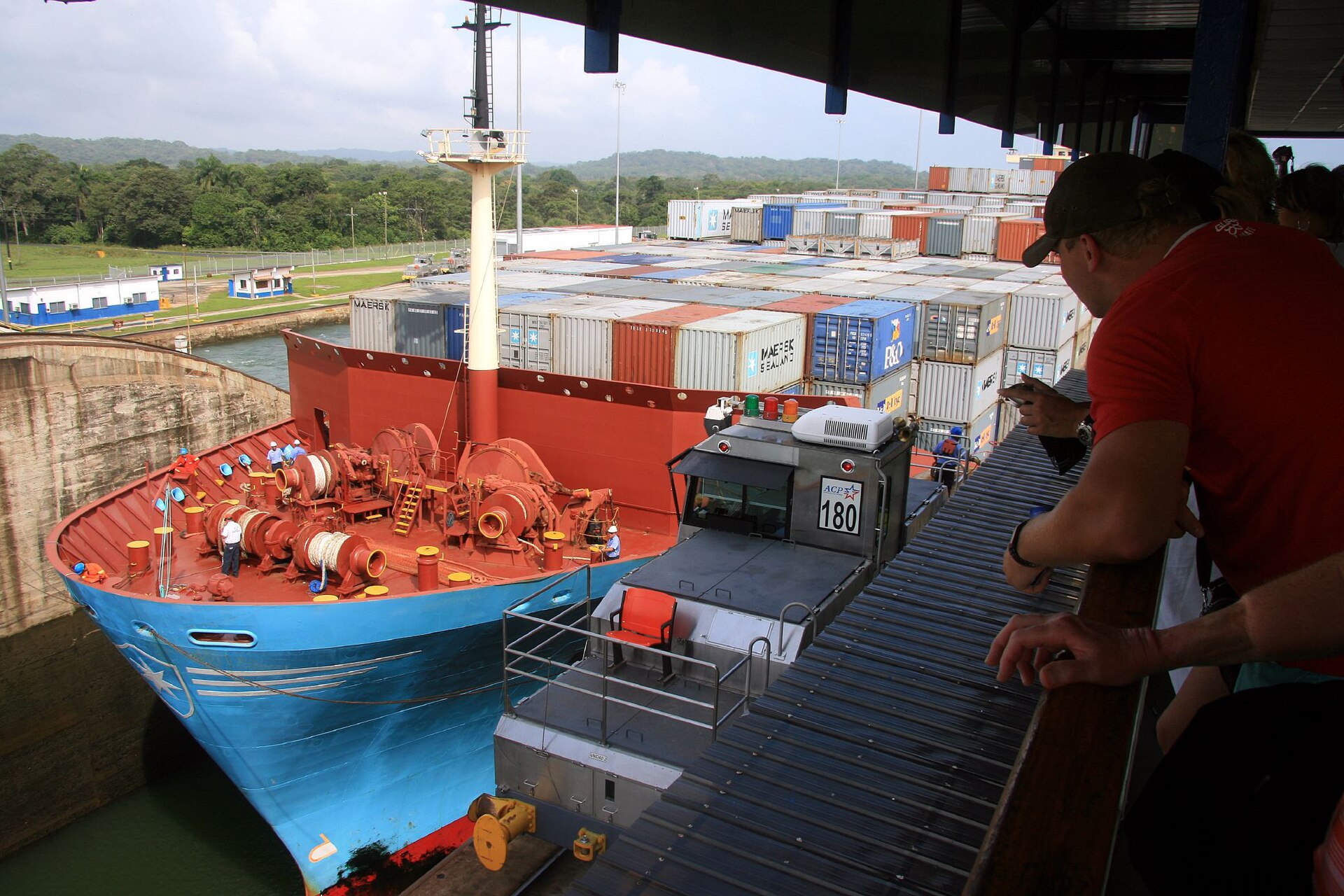
The Jones Act normally requires that cargo moved between U.S. ports travel on vessels built in the U.S., owned by U.S. citizens, and crewed by U.S. mariners. The Trump administration's 90-day extension allows foreign-flagged ships to carry oil, fuel, and fertilizer coastwise through mid-July, a move intended to relieve supply bottlenecks tied to ongoing conflict in the Strait of Hormuz and Pacific fuel-routing shifts.
For trucking operations, the waiver may indirectly affect diesel and DEF availability at coastal terminals if more fuel arrives by foreign tanker rather than pipeline or domestic barge. But it imposes no new telematics mandates, emissions-hardware updates, or fuel-system modifications on Class 8 tractors or tank trailers.
No equipment or compliance changes
The extension does not trigger EPA emissions recalibration, FMCSA equipment rules, or aftermarket parts requirements. Fleets running Cummins X15, PACCAR MX-13, Detroit DD15, or any other diesel engine will see no change to service intervals, aftertreatment maintenance, or warranty terms as a result of the waiver. Tank-trailer operators hauling fuel or fertilizer domestically face no new ADR placarding, vapor-recovery hardware, or DOT tank-certification requirements tied to the maritime waiver.
What changes for small fleets
Nothing on the truck side. If diesel or DEF supply tightens in your region due to Hormuz-related routing delays, that is a fuel-price and availability story — Tess Crawford's beat — not an equipment story. The waiver itself is a regulatory mechanics topic under Marvin Aldridge's coverage of federal rules, but because it does not compel hardware changes, shop supervisors and fleet maintenance managers can treat it as background context rather than an action item.
Owner-operators and small fleets should continue normal fuel-filter and DEF-system maintenance schedules. No recall, no software update, no new sensor calibration is tied to this waiver. If you operate tank trailers under contract to haul fuel or fertilizer, verify your carrier authority and insurance remain current — brokers and shippers vetting carriers for fuel hauls will look up the carrier's USDOT and operating status before tendering loads, especially as supply chains shift routing in response to the waiver.