March Tonnage Posts Strongest Year-Over-Year Gain Since October 2022
ATA reports 2.1% first-quarter tonnage increase — the best three-month stretch in nine years — signaling contract freight demand is finally climbing.


Why did truck tonnage jump in March 2026?
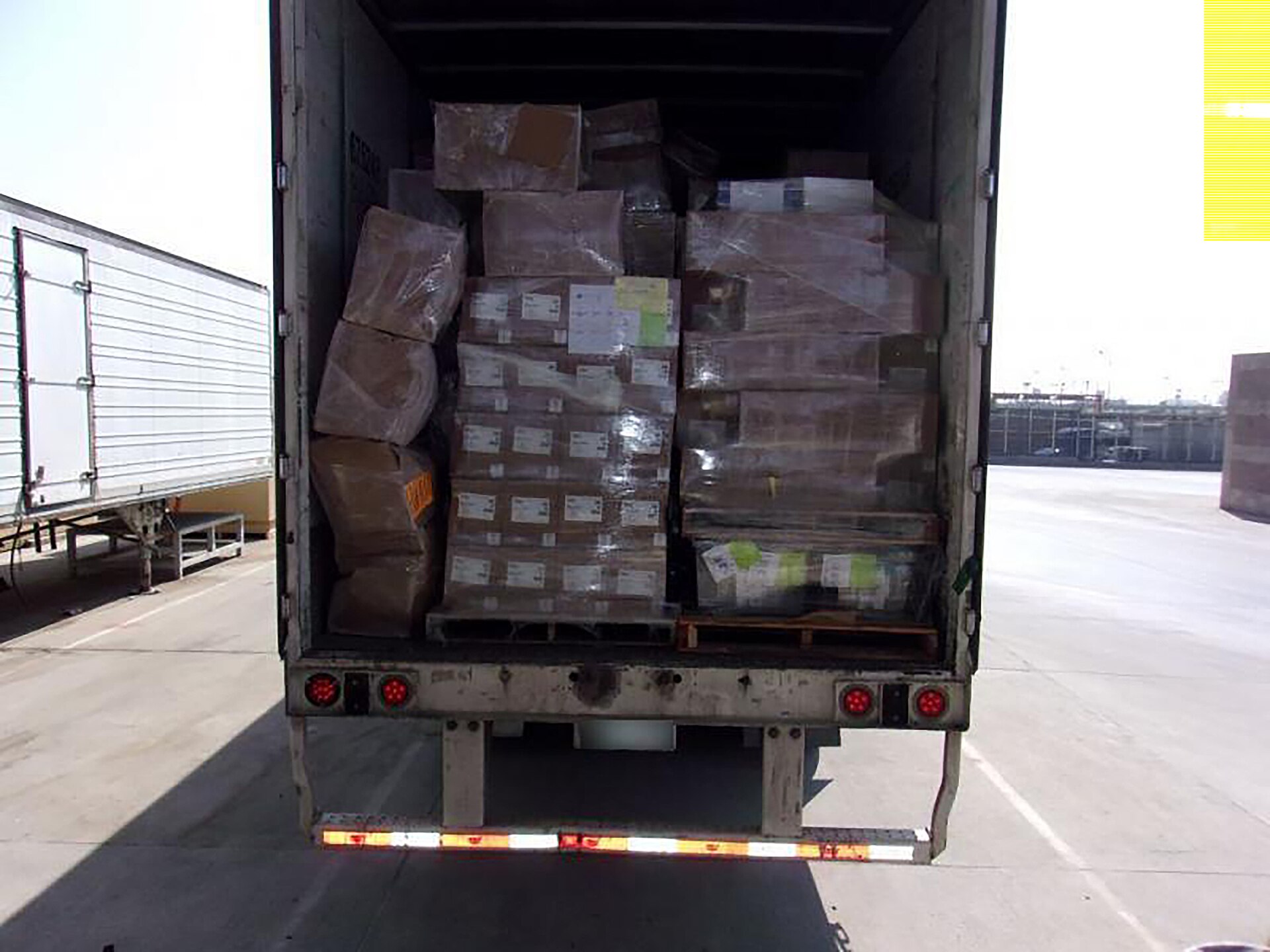
March truck tonnage posted the largest year-over-year increase since October 2022, according to ATA Chief Economist Bob Costello. The first quarter of 2026 saw tonnage climb 2.1% compared to the same period last year — the strongest three-month performance since the third quarter of 2017 when measured both sequentially and year-over-year. The gains mark a turnaround after a flat 2025, when the tonnage index sat essentially unchanged from 2024 averages.
The ATA tonnage index tracks freight volumes hauled by for-hire carriers — the contract freight that fills most of the lanes a small fleet runs under dedicated or regular shipper agreements. When that index climbs, it means shippers are moving more goods and tendering more loads. When it stalls, as it did through 2025, it means your dispatch board stays thin even if spot rates tick up.
What the tonnage numbers mean for small fleets
March's sequential gain was modest, but the year-over-year comparison tells the story: freight demand is strengthening in the contract market, which is where most small fleets earn their base revenue. A 2.1% first-quarter increase translates to more loads tendered, fewer empty miles between stops, and — if the trend holds — upward pressure on contract rates when shippers renegotiate agreements in Q2 and Q3.
The not-seasonally-adjusted index jumped to 120.1 in March from 107.3 in February — a 12% month-over-month increase that reflects typical seasonal freight patterns alongside the underlying demand improvement. The raw index strips out statistical smoothing and shows what actually moved: more pallets, more miles, more trucks dispatched. For a 10-truck fleet running dedicated lanes, that 12% swing between February and March is the difference between running 85% utilization and running full.
How this compares to the 2022–2025 freight recession
The last time tonnage posted a year-over-year gain this strong was October 2022 — the tail end of the post-pandemic freight boom before the market rolled over into a two-year correction. From late 2022 through 2025, tonnage either declined or stayed flat as inventories normalized, consumer spending shifted back to services, and shippers burned through the capacity they had locked in at elevated rates. Small fleets that survived that stretch did so by cutting costs, parking trucks, or pivoting to spot freight when contract lanes dried up.
The first quarter of 2026 is the first sustained signal that the correction is over. A 2.1% tonnage increase is not a boom — it is a return to normal freight growth after three years of stagnation. For small fleets, normal is good. Normal means shippers are tendering enough loads to keep your trucks moving without chasing spot boards. Normal means you can plan driver schedules more than a week out.
What drives tonnage growth and what it means for rates
Tonnage growth comes from two places: more goods moving through the economy, or a shift in mode share toward trucking. The first-quarter 2026 increase appears to be demand-driven rather than modal — consumer spending has held steady, inventory restocking is underway after a lean 2025, and manufacturing output has ticked up. When tonnage climbs because shippers are moving more freight, not because they are pulling loads off rail or intermodal, the rate pressure follows.
Contract rates lag tonnage by one to two quarters. If tonnage stays elevated through Q2, expect shippers to face tighter capacity when they go out for bids in late spring and summer. That is when small fleets with clean safety records and reliable service can push for rate increases — not the double-digit jumps of 2021, but mid-single-digit gains that cover diesel and insurance cost creep. Knight-Swift reported last week that carriers are already rejecting awarded bids as spot rates climb, a sign that the balance of power is shifting back toward capacity.
The takeaway for a 5-truck fleet
The first quarter of 2026 delivered the best tonnage performance in nine years. For a small fleet, that means more loads tendered, better utilization, and — if the trend holds — the first real opportunity since 2022 to negotiate higher contract rates. The March year-over-year gain is not a signal to add trucks or hire drivers yet, but it is a signal to stop discounting. When your shipper calls to renegotiate in Q2, the tonnage data backs a rate conversation. The freight recession is over. Normal freight growth is back. Price accordingly.