Military Fuel Shipments Cross Pacific as Iran War Closes Hormuz Routes
U.S. military-grade fuel cargoes sailing east signal supply-chain pivot away from Middle East — diesel and jet-fuel availability for commercial fleets still unclear.

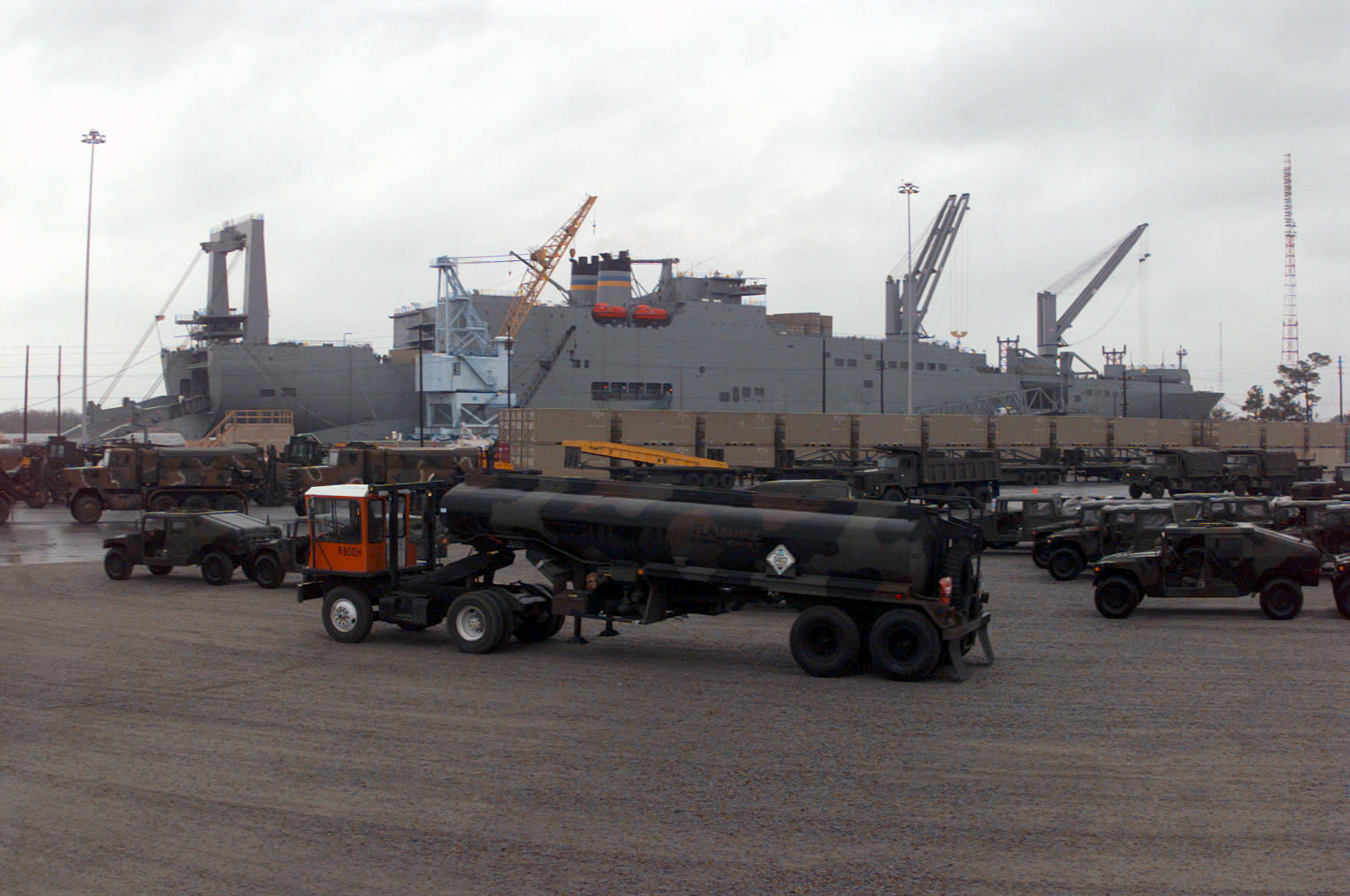
The U.S. military is routing fuel shipments across the Pacific rather than through the Strait of Hormuz, a shift driven by the Iran conflict that underscores how far Middle East supply disruptions have rippled into global fuel logistics.
How does the military fuel shift affect commercial diesel supply?
Military-grade fuel cargoes scheduled to sail from U.S. ports across the Pacific represent a departure from traditional routes that relied on Persian Gulf refineries and Hormuz transit. The change illustrates the extent to which the Iran war has forced a reconfiguration of oil supply chains, though the immediate impact on commercial diesel and DEF availability for trucking fleets remains uncertain.
Military fuel specifications overlap with commercial diesel in refining capacity — both draw from the same distillate pool at U.S. Gulf Coast and West Coast refineries. When military demand pulls more product east across the Pacific, it tightens the volume available for domestic truck stops and bulk DEF suppliers, particularly in western states where refinery utilization is already constrained by California's low-carbon fuel mandates.
The Pacific routing also adds days to delivery schedules compared to Hormuz-linked supply chains, which historically moved refined product from Middle East export terminals to Asian military bases in under two weeks. Longer lead times mean higher working inventory costs for any fleet or fuel distributor that depends on just-in-time delivery — a concern for carriers operating dedicated lanes in the Mountain West and Pacific Northwest, where fuel-stop density is lower and storage capacity at individual terminals is limited.
What this means for fleet fuel costs
Fleet managers should expect continued volatility in diesel rack prices, particularly at terminals west of the Rockies. Military fuel demand does not directly set the commercial diesel price, but it competes for the same refinery output. When a larger share of U.S. distillate production is committed to military contracts and routed overseas, the domestic supply cushion shrinks.
Carriers with fuel-surcharge agreements tied to DOE weekly averages will see those averages lag the actual spot tightness by several days. Owner-operators without surcharge protection are exposed to the full swing. DEF supply has shown no immediate disruption, but DEF production depends on urea imports — if Pacific shipping capacity tilts toward military fuel, container space for bulk urea tightens, and DEF prices follow.
No recall, spec change, or equipment modification is triggered by this shift. It is a fuel-supply story, not a hardware story. But for fleets running tight fuel budgets or operating in regions with fewer refinery options, the Pacific routing of military fuel is one more variable that makes diesel cost forecasting harder this year.