7,600 Freight-Tied Jobs Cut Before Thanksgiving, P&G Plans 7,000 More
Nine companies announced workforce reductions hitting trucking contractors, 3PLs, truck body plants, and packaging suppliers in the week before the holiday.

How many freight-sector jobs were cut before Thanksgiving?
Nine companies announced workforce reductions affecting up to 7,656 workers in the week before Thanksgiving, with cuts hitting trucking contractors, third-party logistics providers, truck body manufacturing, and packaging plants. The largest single reduction came from Procter & Gamble, which plans to eliminate as many as 7,000 manufacturing and logistics positions by 2030 as part of a $10 billion cost-cutting initiative focused on automation.
The remaining eight companies account for 656 immediate job cuts tied to facility closures and lost contracts. The timing puts the layoffs squarely in what is traditionally the busiest period for freight networks and distribution operations.
Walgreens Contract Loss Cuts 69 Trucking Jobs in Connecticut
CPC Special Logistics East, a trucking contractor for Walgreens, will permanently lay off 69 employees in Connecticut after the retailer declined to renew its contract. Operations at Walgreens' distribution center at 80 International Drive in Windsor are expected to end around Jan. 30.
The affected employees include 66 commercial truck drivers, a regional manager, a safety manager, and an administrative assistant. CPC filed the notice with the Connecticut Department of Labor on Nov. 23, three days before Thanksgiving.
The loss illustrates the exposure small and mid-sized carriers face when a single large shipper walks away. For a contractor running dedicated lanes, one contract termination can eliminate the majority of revenue overnight.
Two 3PLs Close Facilities, Cut 249 Jobs
Third-party logistics provider Saddle Creek announced Nov. 19 that it will permanently close its facility in Groveport, Ohio, eliminating 150 jobs starting Jan. 15. Global logistics provider GEODIS scheduled the permanent closure of an operation in Reno, Nevada, affecting 99 employees. GEODIS filed its WARN notice Sept. 23, with the closure effective Nov. 22, four days before Thanksgiving.
The 3PL closures come as warehouse operators face pressure from softening freight volumes and shippers consolidating their distribution networks. When a 3PL shuts a facility, the immediate impact hits warehouse workers and local delivery drivers, but the ripple extends to the carriers serving those lanes. Closed distribution centers mean fewer loads originating from those zip codes.
Truck Body Plant Shuts, Cites Unforeseeable Circumstances
Morgan Truck Body is permanently closing its manufacturing plant in Orrville, Ohio, eliminating 73 jobs. The company cited "unforeseeable business circumstances" in a WARN notice dated Nov. 18.
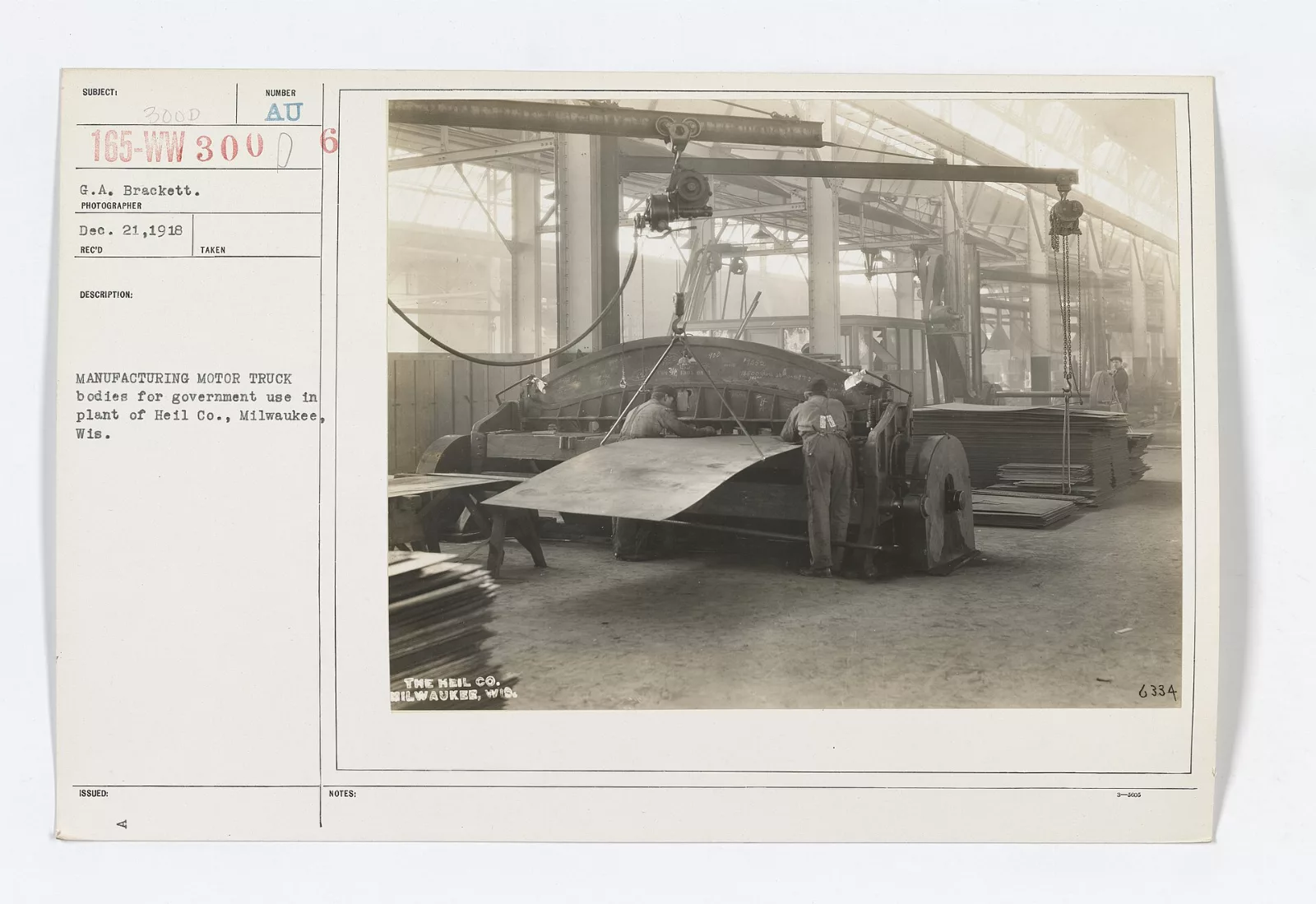
Morgan Truck Body manufactures commercial truck bodies used in freight transportation, distribution, and last-mile delivery operations. The closure removes production capacity from the supply chain at a time when average truck age has already hit 6.3 years, the highest in a decade, as carriers hold aging equipment through the freight recession.
Packaging Manufacturers Cut 96 Jobs Across Two States
Two packaging manufacturers are shuttering facilities in Pennsylvania and Missouri, eliminating a combined 96 positions. J.L. Clark, a manufacturer of metal and plastic packaging products, plans to permanently close its facility in Lancaster, Pennsylvania, affecting 34 employees. The closure and layoffs are expected to be finalized in 2027.
Gateway Packaging announced in a Nov. 20 notice that it will close its facility at 5910 Winner Road in Kansas City, Missouri. The closure will leave 62 employees without jobs by Dec. 30, between Christmas and New Year's Day.
Packaging plant closures reduce the number of facilities that need inbound raw materials and outbound finished goods moved. Fewer plants mean fewer loads for the carriers serving those lanes.
Beverage Bottlers Close Two Plants, Cut 169 Jobs
Pepsi Bottling Group plans to permanently close its facility at 2708 Federal Road in Knoxville, Tennessee, eliminating 112 jobs effective Jan. 1. The company notified the Tennessee Department of Labor and Workforce Development of the closure Oct. 19.
Niagara Bottling is also closing its water bottling plant in Ocala, Florida, affecting 57 employees. The layoffs are expected to be completed by the end of 2026.
Beverage distribution is a staple lane for many regional carriers. Bottling plants generate consistent outbound volume, and their closures remove predictable freight from the market.
P&G's 7,000-Job Cut Targets Automation Over Headcount
Consumer goods giant Procter & Gamble plans to reduce its manufacturing and logistics workforce by 20% to 30%, potentially eliminating as many as 7,000 positions by the end of the decade. The reductions are part of a broader productivity initiative aimed at generating up to $10 billion in cumulative savings from fiscal 2027 through fiscal 2030.
The initiative includes an increased emphasis on automation, reflecting a broader shift among manufacturers toward technology-driven supply chain operations. The planned reductions represent a longer-term restructuring rather than an immediate mass layoff.
For carriers, the shift to automation at major shippers can mean fewer dock workers to load and unload, faster turnaround times at facilities, and potentially fewer human touchpoints when problems arise. The long-term impact on freight volumes depends on whether P&G consolidates facilities or simply runs leaner at existing locations.
What the Job Cuts Mean for Freight Demand
Workforce reductions and distribution center closures ahead of the holidays highlight ongoing cost pressures and structural changes across the freight economy. When shippers close facilities, consolidate operations, or automate warehouses, the immediate effect is fewer loads originating from those locations. For carriers running dedicated lanes or regional routes tied to those facilities, the cuts translate directly to lost revenue.
The timing of the announcements, clustered in the week before Thanksgiving, suggests companies are using the holiday period to execute cost reductions while public attention is elsewhere. For small fleets and owner-operators, the pattern to watch is whether these closures represent one-time adjustments or the leading edge of a broader wave of shipper consolidation heading into 2027.