ATRI elects Ruan CEO Ben McLean chairman, adds two directors
The American Transportation Research Institute named McLean to lead its board and appointed TCW's Ben Banks and Werner's Nathan Meisgeier as directors.

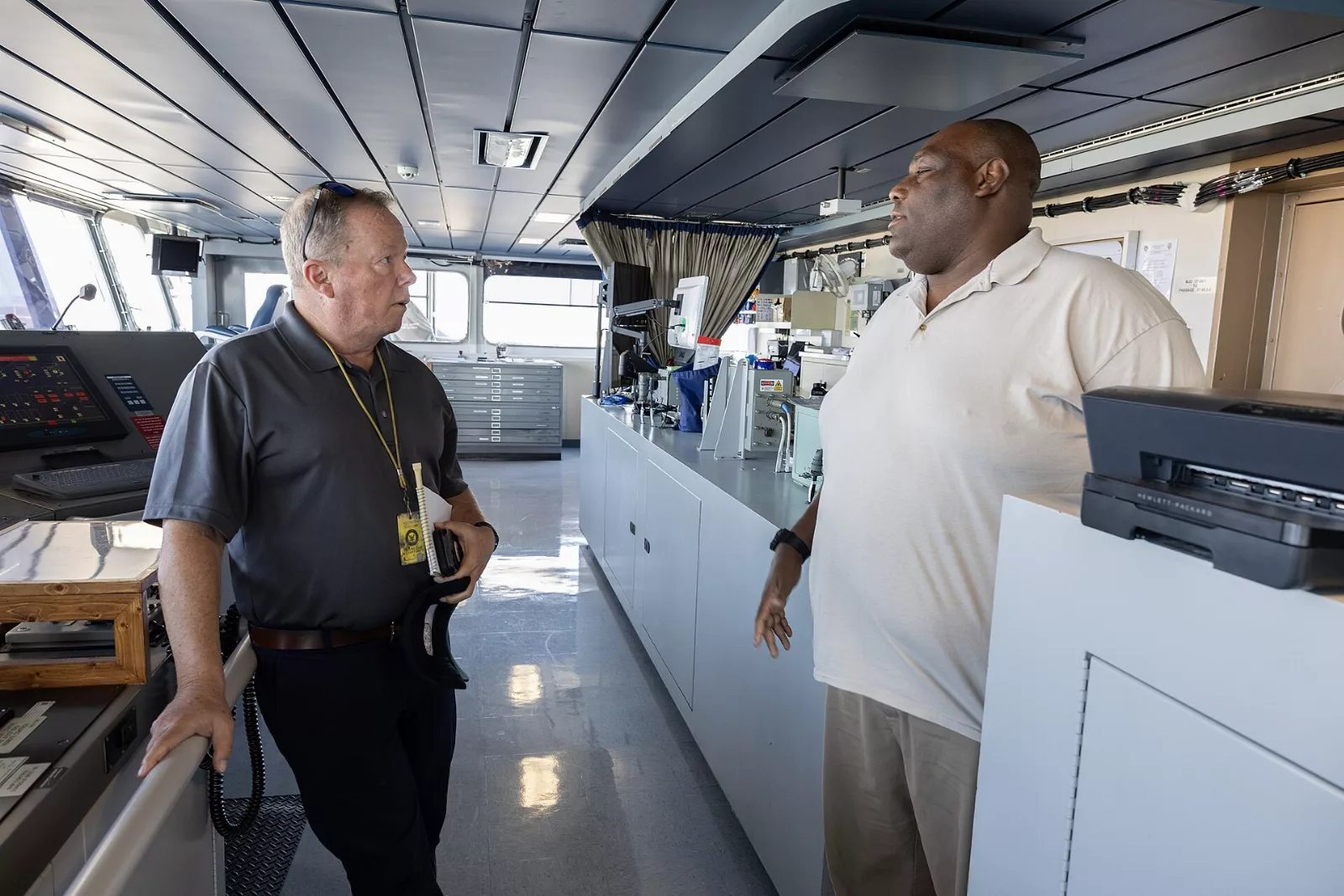
The American Transportation Research Institute elected Ruan CEO Ben McLean chairman of its board and appointed two new directors: TCW President Ben Banks and Werner President and Chief Legal Officer Nathan Meisgeier.
ATRI is the trucking industry's primary research arm, producing annual studies on driver detention, operational costs, and regulatory impact that small fleets cite when negotiating rates or challenging state-level rules. The board sets research priorities and approves study topics.
Who are the new ATRI board members?
McLean runs Ruan, a Des Moines-based carrier operating dedicated contract fleets for manufacturers and retailers. Banks leads TCW, a Nashville logistics firm. Meisgeier serves as president and chief legal officer at Werner Enterprises, a publicly traded carrier with 8,300 trucks.
The three join a board that includes executives from major carriers, state trucking associations, and equipment suppliers. ATRI's research agenda typically reflects the concerns of larger fleets, though its cost-per-mile studies and driver survey data inform rate negotiations across all fleet sizes.
Why ATRI board composition matters to small fleets
ATRI's annual operational cost study provides the per-mile benchmarks brokers and shippers use to justify contract rates. When ATRI reports that average cost per mile rose 3.7% year-over-year, that figure shows up in rate negotiations for fleets running five trucks as often as it does for carriers running 500.
The institute also produces the Critical Issues in the Trucking Industry report, an annual survey of driver and carrier concerns that state legislators and federal regulators cite when drafting policy. Small-fleet owners who want their operational realities reflected in that research depend on board members who understand the economics of running fewer than 50 trucks.
Ruan operates primarily dedicated contract fleets, a model that insulates the carrier from spot-market volatility but ties revenue to long-term shipper relationships. That experience differs from the week-to-week rate exposure a 10-truck fleet faces when 60% of loads come from the spot market. Whether McLean's chairmanship shifts ATRI's research focus toward contract-heavy operations or maintains the current mix of spot and contract analysis will show up in the 2027 study lineup.
Werner's inclusion through Meisgeier adds a publicly traded carrier perspective. Werner reported third-quarter 2026 operating revenue of $734 million, down 8% year-over-year, with one-way truckload rates under pressure from excess capacity. The company has cut truck count and idled equipment in response to soft freight demand. That experience mirrors what small fleets see in their settlement statements, even if the scale differs.
TCW operates in the third-party logistics and brokerage space, a segment that sits between carriers and shippers. Banks' appointment brings a broker view to a board historically dominated by asset-based carriers. For small fleets, that could mean more ATRI research on broker payment terms, load-tender acceptance rates, and the operational cost of chasing receivables, topics that hit owner-operators harder than large carriers with dedicated credit departments.
What this board does with your fuel and insurance data
ATRI collects operational cost data from participating fleets each year, then publishes average per-mile costs for fuel, driver wages, insurance, and maintenance. Those averages become the baseline in shipper RFPs and broker rate offers. A small fleet's actual costs may run 15% higher than ATRI's published average due to higher insurance premiums or lower fuel-buying power, but the shipper's procurement team will anchor negotiations to the ATRI figure.
The board's research priorities also determine which regulatory fights get data support. When ATRI publishes a study showing that a proposed state truck tax would add $0.04 per mile to operating costs, state trucking associations use that number in legislative testimony. Small fleets benefit when ATRI's research agenda includes the rules that hit them hardest: detention time, accessorial charges, broker transparency, and insurance cost drivers.
McLean's term as chairman will run through 2027. The board meets quarterly to review ongoing studies and approve new research topics. ATRI's 2027 research agenda has not been published.