DOJ Letter Shows Federal Prosecutors Now Treat Cargo Theft as Fraud
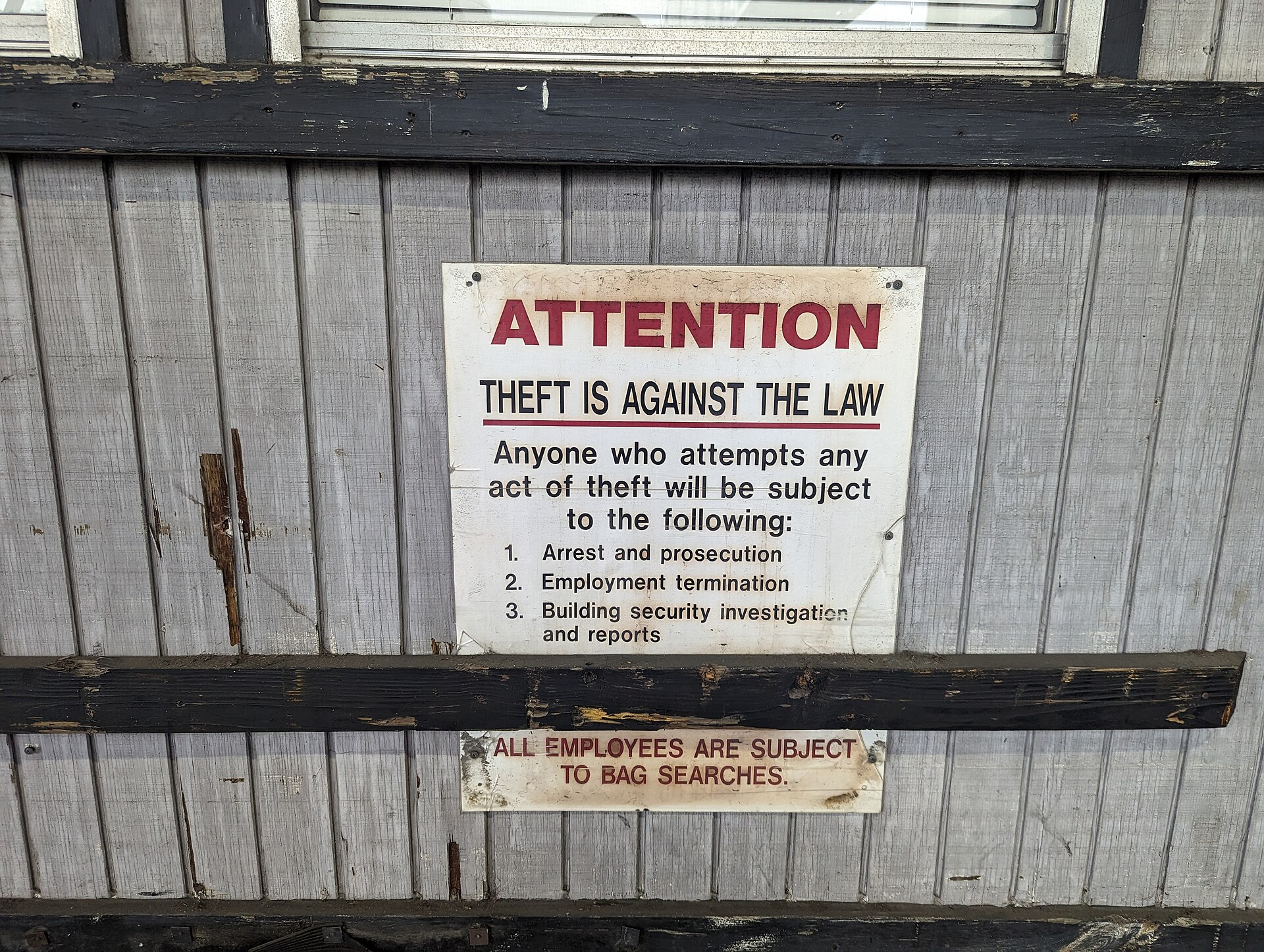
A Department of Justice funding letter describes cargo theft as organized fraud networks using fake identities and hacked systems: not just stolen trailers.


The Department of Justice released a letter in April 2026 describing cargo theft as organized fraud networks that rely on fake carrier identities, spoofed emails, and manipulated onboarding systems. The letter ties to DOJ funding implementation and marks a shift in how federal prosecutors view the crime.
How is the DOJ describing cargo theft differently now?
The DOJ letter focuses on organized groups operating across multiple states that use fraud and hacked communications to steal freight. The language shows federal prosecutors now understand that many cargo theft cases begin before a truck arrives for pickup, criminals first gain access to systems, identities, or trusted accounts, then the shipment appears normal on the surface.
That matches what investigators, brokers, insurers, and fraud experts have warned about for years. In many cases, the freight is already at risk before it moves. The criminals have already compromised the carrier identity or the broker's email system. The pickup looks legitimate. The rate confirmation looks legitimate. The truck shows up on time.
What organized crime tactics does the letter describe?
The letter describes cargo theft groups that use fake carrier setups, stolen identities, and networks spanning multiple states. The DOJ language suggests prosecutors are starting to see these operations as organized crime rather than isolated theft cases.
Modern cargo theft often starts with a spoofed email, a hacked carrier account, or a fake MC number that passes initial vetting. The criminal books the load using a legitimate carrier's identity or creates a shell company that looks real in FMCSA databases. The freight disappears after pickup. The broker or shipper discovers the theft days later when the real carrier never received the load or when the fake carrier stops answering calls.
The shift matters because organized crime charges carry longer sentences and give federal prosecutors tools to dismantle networks instead of prosecuting individual theft cases. If the DOJ starts treating freight fraud as organized crime, carriers and brokers may see more aggressive prosecution of double-brokering rings, identity theft networks, and email hijacking operations.
Will federal agencies coordinate more on cargo theft investigations?
The letter raises the question of whether federal agencies will work more closely together on cargo theft cases involving cybercrime and financial fraud. Cargo theft investigations currently involve the FBI, FMCSA, state police, and local law enforcement. Coordination has been inconsistent.
Many cargo theft cases involve both physical theft and cybercrime, a hacked email account, a spoofed carrier identity, wire fraud when the criminal collects payment. Those cases require coordination between agencies that handle cybercrime and agencies that handle transportation fraud. The DOJ letter suggests that coordination may improve.
What does this mean for carriers trying to avoid fraud?
The DOJ's new language does not change the verification carriers should run before pulling a load. Carriers still need to verify the broker's MC number, check the broker's bond status, confirm the pickup location directly with the shipper when possible, and watch for red flags in the rate confirmation.
The shift matters because it signals federal prosecutors may start using stronger fraud charges in cargo theft cases. That could lead to longer sentences for criminals who run double-brokering schemes or steal carrier identities. It could also mean more federal resources for investigating organized freight fraud networks.
Carriers can verify a broker's active authority and bond status before signing a rate confirmation. The verification takes five minutes. It catches many fake brokers and double-brokering schemes before the carrier commits a truck.
What red flags should carriers watch for?
The organized fraud networks the DOJ describes rely on appearing legitimate long enough to book the load and collect payment. Carriers should watch for brokers who pressure them to pick up immediately without time to verify the load, brokers who refuse to provide a direct contact at the shipper, and brokers whose email domain does not match their company name in FMCSA records.
Carriers should also verify the pickup location independently. Many cargo theft schemes involve fake pickup addresses or legitimate warehouses where the criminal has arranged a fraudulent pickup using stolen credentials. A quick call to the shipper's main number, not the number on the rate confirmation, catches many of these schemes.
Three checks to add after reading this DOJ letter
The DOJ's new focus on organized fraud networks does not replace the basic broker vetting carriers already do. It reinforces why those checks matter. Carriers should add three verifications to their workflow:
First, verify the broker's MC number and bond status in FMCSA records before signing the rate confirmation. Many fake brokers use MC numbers that belong to legitimate companies or MC numbers that have been revoked.
Second, confirm the pickup location directly with the shipper using a phone number from the shipper's website: not the number on the rate confirmation. Many cargo theft schemes involve fake pickup locations or legitimate warehouses where the criminal has arranged a fraudulent pickup.
Third, watch for pressure to pick up immediately without time to verify the load. Organized fraud networks rely on speed. They want the carrier to commit a truck before the carrier has time to verify the broker, the shipper, or the pickup location. Any broker who pressures a carrier to skip verification is a red flag.