Drug Traffickers Used Broker Model to Move $139M Across Border
Canadian and U.S. authorities seized 1.7 metric tons of cocaine, meth, and opium from a network that arranged cross-border drug loads like a freight broker arranges truck freight.


How did traffickers move 1.7 metric tons of drugs across the border?
Canadian and U.S. authorities seized nearly 1.7 metric tons of illegal drugs during a cross-border investigation named Project Bay. The haul included suspected cocaine, methamphetamine, and opium with an estimated street value above $139 million. Investigators called it one of Ontario's most significant seizures from a single case.
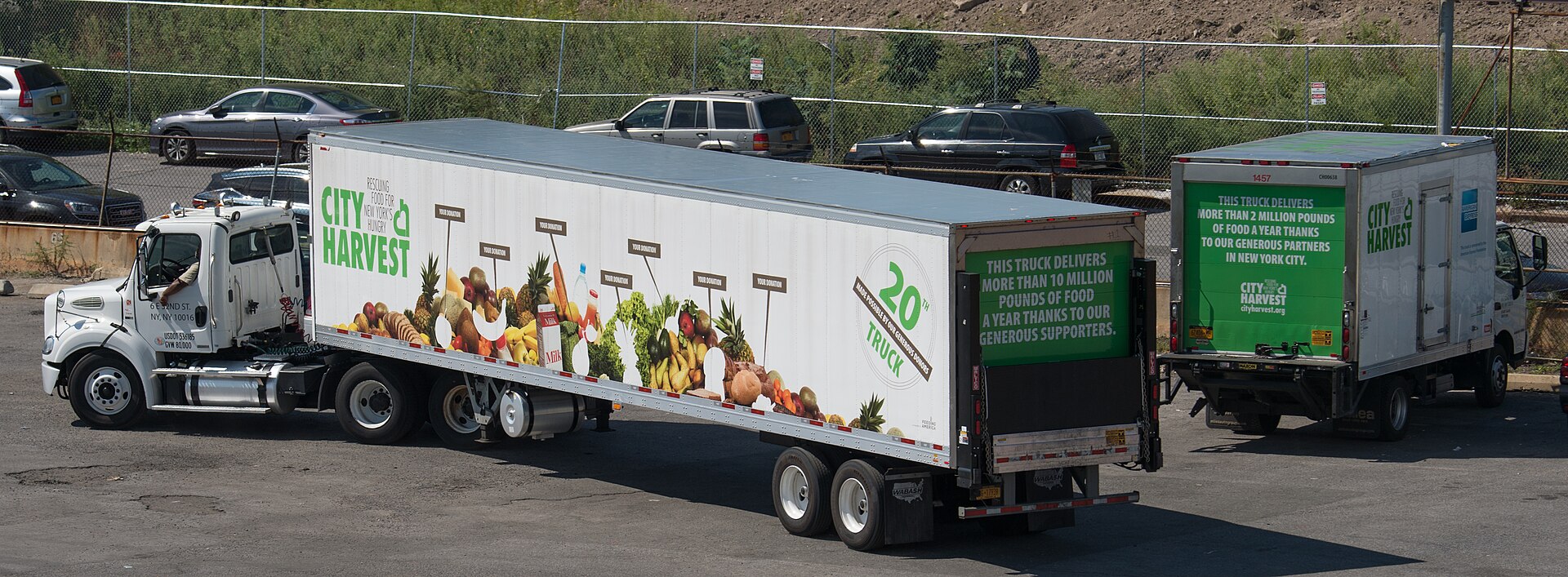
The organization used a broker-style model operating within the commercial transportation sector. The network used established connections to arrange cross-border drug movements. Drivers knowingly transported the illegal products within legitimate supply chains, according to the release.
Windsor Police launched the investigation in January 2025. The Canada Border Services Agency joined the effort the following month. Investigators worked to identify a trafficking network with connections to the international border. Ontario Provincial Police later supported the cross-border and interprovincial portions.
U.S. Homeland Security Investigations and the Drug Enforcement Administration assisted with international aspects. Toronto Police and Peel Regional Police also provided operational and investigative support.
What authorities seized during the operation
Police teams executed 18 search warrants on June 25. The locations included Windsor, Corunna, LaSalle, Brampton, and Kleinburg. Authorities conducted two additional searches in Markham and Caledon on July 14. Investigators then carried out two more in Brampton on July 20.
Authorities seized 973 kilograms of suspected cocaine and 660 kilograms of suspected methamphetamine. They also recovered 49 kilograms of suspected opium and 230 oxycodone tablets. Officers found 17 firearms, including an anti-tank rifle. The haul also contained ammunition, brass knuckles, magazines, and a baton.
Investigators recovered C$80,000 and US$10,000 during the operation. Officers also took one vehicle as offense-related property. Additional items included high-end jewelry, money counters, 43 cellphones, and six laptops.
Who was charged
Authorities charged 21 people with 104 offenses under two Canadian laws. Those statutes include the Criminal Code and the Controlled Drugs and Substances Act. Police arrested 19 defendants during the operation. Two others remain wanted under outstanding arrest warrants.
The OPP Provincial Asset Forfeiture Unit joined the case. Its investigators will examine possible offenses involving criminal proceeds. The unit will also assist with taking property connected to alleged crimes. Project Bay's broader investigation remains active.
"This seizure reflects the scale of criminal activity that crosses borders and impacts communities across Ontario," OPP Chief Superintendent Mike Stoddart said. He credited cooperation among municipal, provincial, federal, and international partners. "We have significantly disrupted the flow of harmful substances," Stoddart said. He also said authorities removed substantial profits from the criminal economy.
"This investigation began as the result of information obtained by the Windsor Police Service," Chief Jason Crowley said. He said the operation later expanded across several Ontario jurisdictions. Crowley credited law enforcement partners with dismantling the network. He said the organization moved dangerous drugs and firearms into communities across the province.
What the seizure means for cross-border traffic
CBSA's Southern Ontario region has seized 5,555 kilograms of illegal drugs at land ports this year. Officers there have also seized 206 firearms during that period. Regional Director General Michael Prosia credited cooperation among domestic and international agencies. He specifically thanked Ontario Provincial Police and Windsor Police for their work.
The case shows how criminal networks can place illegal products inside legitimate commercial supply chains. Transportation professionals can use these details to recognize how traffickers may exploit industry connections.
Authorities continue investigating the network's source and full scope. Before publication, FreightWaves contacted OPP for additional information about the transportation operation. OPP did not provide a response before publication.