FBI Warns Cyber Cargo Theft Cases Surging Across Freight Industry
Cybercriminals are impersonating legitimate freight companies to steal loads, according to a new FBI public alert on cargo theft.

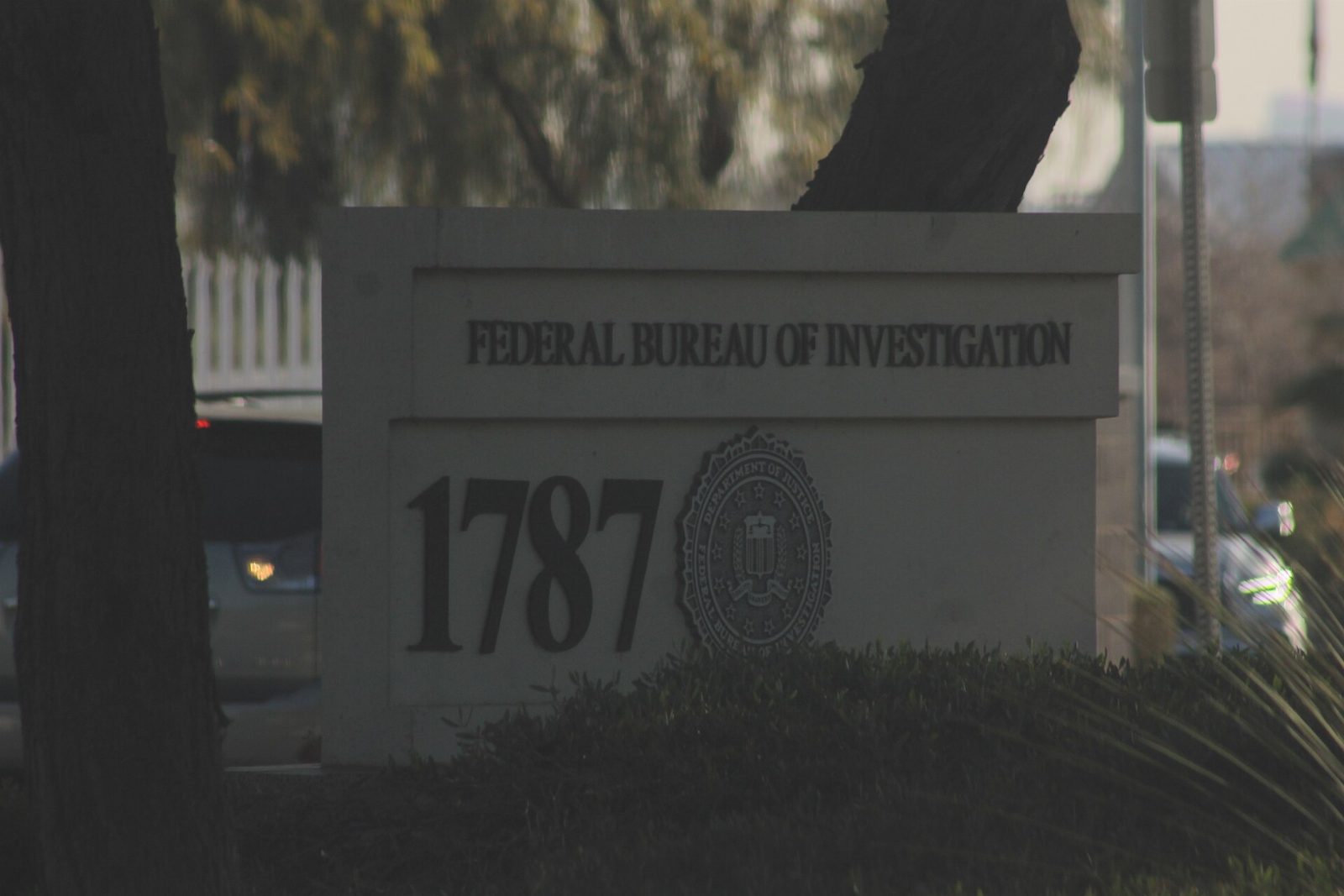
The FBI issued a public alert warning that cargo theft cases involving cybercriminals impersonating legitimate freight companies are surging.
What kinds of companies are cybercriminals impersonating?
The FBI alert describes criminals impersonating "a broad range of legitimate freight companies" to commit cargo theft. The bureau did not specify which types of freight companies, carriers, brokers, or shippers, are most frequently targeted for impersonation, nor did it release case counts or geographic concentration data in the public alert.
How cyber cargo theft differs from physical theft
Traditional cargo theft involved physical force: hijacking a truck at a rest stop or cutting a fence at a yard. Cyber cargo theft operates inside normal freight workflows. Criminals pose as a known carrier or broker, use stolen credentials to bid on loads, and redirect shipments before the legitimate party realizes the load is gone. The truck never gets stolen. The load does.
This method has grown sharply in recent quarters. In Q1 2026, cargo theft incidents fell overall, but criminals began buying legitimate trucking companies outright to bypass anti-fraud checks. Email hijacking and pickup-point fraud have also surged, with thieves hacking carrier email accounts to bid on loads and commit double-brokering schemes.
What small fleets and owner-operators should verify
Before pulling a load from an unfamiliar broker or shipper, verify the company's operating authority and contact information independently: not using the phone number or email in the load tender. Cross-check the MC number and USDOT against FMCSA SAFER data to confirm active status. If the broker or shipper contact insists on communicating only by email or a messaging app, that is a red flag.
Carriers should also monitor their own email accounts for unauthorized access. If a criminal gains control of a carrier's email, they can impersonate that carrier to other brokers, bid on loads, and collect payment before the real carrier knows the account was compromised.
What this means for load acceptance
The FBI alert does not change the mechanics of accepting a load, but it raises the verification bar. Small fleets that rely on spot-market freight should treat every new broker contact as potentially fraudulent until proven otherwise. That means independent verification of operating authority, a phone call to a known contact at the broker, and confirmation that the pickup location and shipper match the load details.
For owner-operators, the risk is twofold: losing time and fuel on a fraudulent load that never pays, or unknowingly participating in a theft scheme that puts your operating authority at risk. The FBI alert underscores that cargo theft is no longer a physical-security problem alone. It is a data-security problem that hits carriers, brokers, and shippers equally.