Frito-Lay driver stops stroke victim's runaway semi on I-94
Joann McNabb blocked traffic, called police, and climbed into the cab to pull the air brakes after the driver hit a wall and kept rolling for a mile.

What did the Frito-Lay driver do when she saw the semi drifting?
Joann McNabb, a Frito-Lay Transportation driver, turned on her four-way flashers and followed a drifting semi on Interstate 94 in Harper Woods, Michigan, on August 11. She called state police while another motorist helped her block lanes behind the truck. The semi hit a concrete wall, scattered debris across the roadway, and kept moving along the shoulder for another mile. When it stopped, McNabb ran to the cab, found the driver slumped over with a drooping mouth, climbed in through the window, pulled the air brakes, and shut off the engine. Firefighters confirmed the driver was having an active stroke. The Truckload Carriers Association named McNabb a TCA Highway Angel for the rescue.
McNabb was traveling in heavy traffic when she noticed the semi slowing in the middle lane. She moved left to pass. The truck drifted toward her lane. She sounded her horn. The truck moved back, then drifted again. McNabb and another motorist honked. The driver did not respond.
"I thought maybe this was a medical emergency because I wasn't getting his attention, and neither were other cars that were honking," McNabb said.
She stayed behind the truck with her flashers on. The other motorist did the same. The two vehicles created a buffer for traffic. The semi struck the wall but continued moving. McNabb was already on the phone with state police.
"I told them, 'He's already hit the wall,'" she said. "But he's continuing to drive. I think something is seriously wrong."
How did McNabb get into the locked cab?
When the truck stopped, McNabb and the other motorist ran to help. The driver was slumped over behind the wheel. The driver's side door was locked. The opposite side was against the wall. McNabb pounded on the window and called to him. The driver regained enough awareness to open the window.
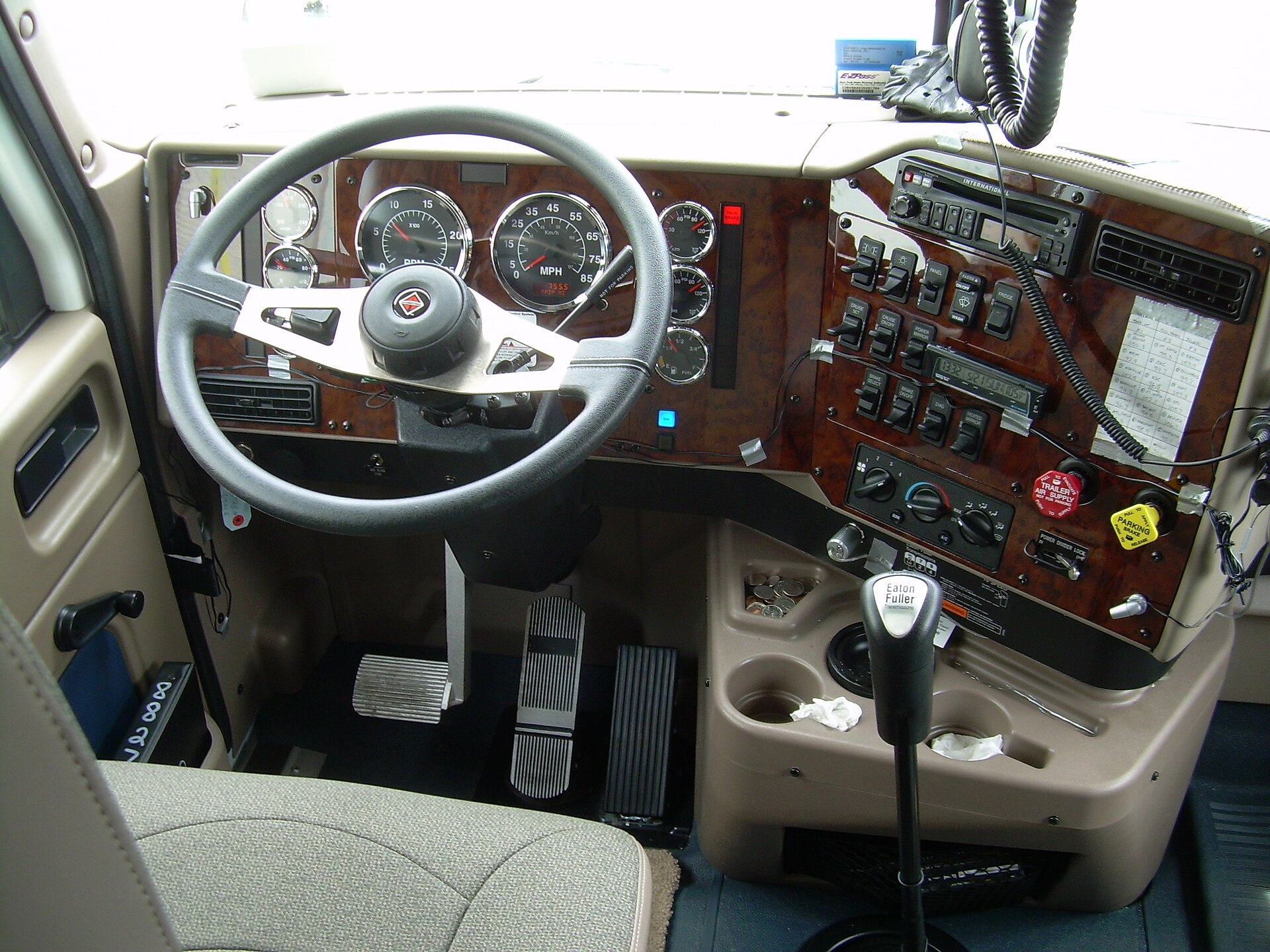
McNabb opened the door, climbed into the cab, pulled the truck's air brakes, and shut off the engine. The driver appeared confused and disoriented. His mouth was drooping. He was drooling.
"I'm like, this guy had a stroke, or is having a stroke," McNabb said.
She alerted arriving police officers and firefighters. Firefighters determined he was experiencing an active stroke. An ambulance transported the driver to a hospital for emergency treatment. McNabb stayed with the driver as emergency personnel prepared him for transport.
"I told him everything was going to be OK," McNabb said. "At this point, he's in good hands."
What the Highway Angel award means for drivers
The TCA Highway Angel program recognizes professional truck drivers who stop to help at accident scenes, medical emergencies, or roadside incidents. The award does not come with a cash prize. It is a public recognition that carriers sometimes use in recruiting and retention materials. Frito-Lay Transportation will likely feature McNabb's story in internal communications.
For owner-operators and small fleets, the takeaway is operational: a driver having a medical event behind the wheel can travel more than a mile after hitting a wall. McNabb's decision to follow at a safe distance, block traffic, and stay on the phone with dispatch is the protocol safety managers teach. If you run a small fleet, make sure your drivers know to call 911 first, then follow at a distance with flashers on if it is safe to do so. Do not attempt to stop a moving truck by pulling in front of it.
McNabb's actions likely prevented a multi-vehicle pileup in heavy traffic. The concrete wall strike and mile-long roll could have ended with the semi crossing lanes or hitting stopped cars. The other motorist who helped block traffic also played a role. If you are driving near a truck stop or rest area and see a driver slumped over or a truck moving erratically in the lot, the same protocol applies: call for help, do not approach a moving vehicle, and stay until emergency personnel arrive if it is safe to do so.