Inflation hits 4.2% in May as energy costs squeeze shop budgets
Real hourly earnings fell 0.7% in the biggest single-month drop in three years. What the May CPI spike means for parts, labor, and truck operating costs.


How much did inflation rise in May 2026?
U.S. inflation hit 4.2% in May 2026, driven by a jump in energy prices. Real average hourly earnings fell 0.7% over the same period, the steepest one-month decline in more than three years.
The May CPI figure marks the highest inflation rate since early 2023. Energy costs, which include diesel fuel, electricity for charging infrastructure, and natural gas for shop heating, accounted for the bulk of the increase. The 0.7% drop in real hourly earnings means that even as nominal wages rose, purchasing power fell. For shop supervisors and fleet managers, that translates to tighter budgets for parts, labor, and maintenance contracts.
What the May inflation spike means for fleet operating costs
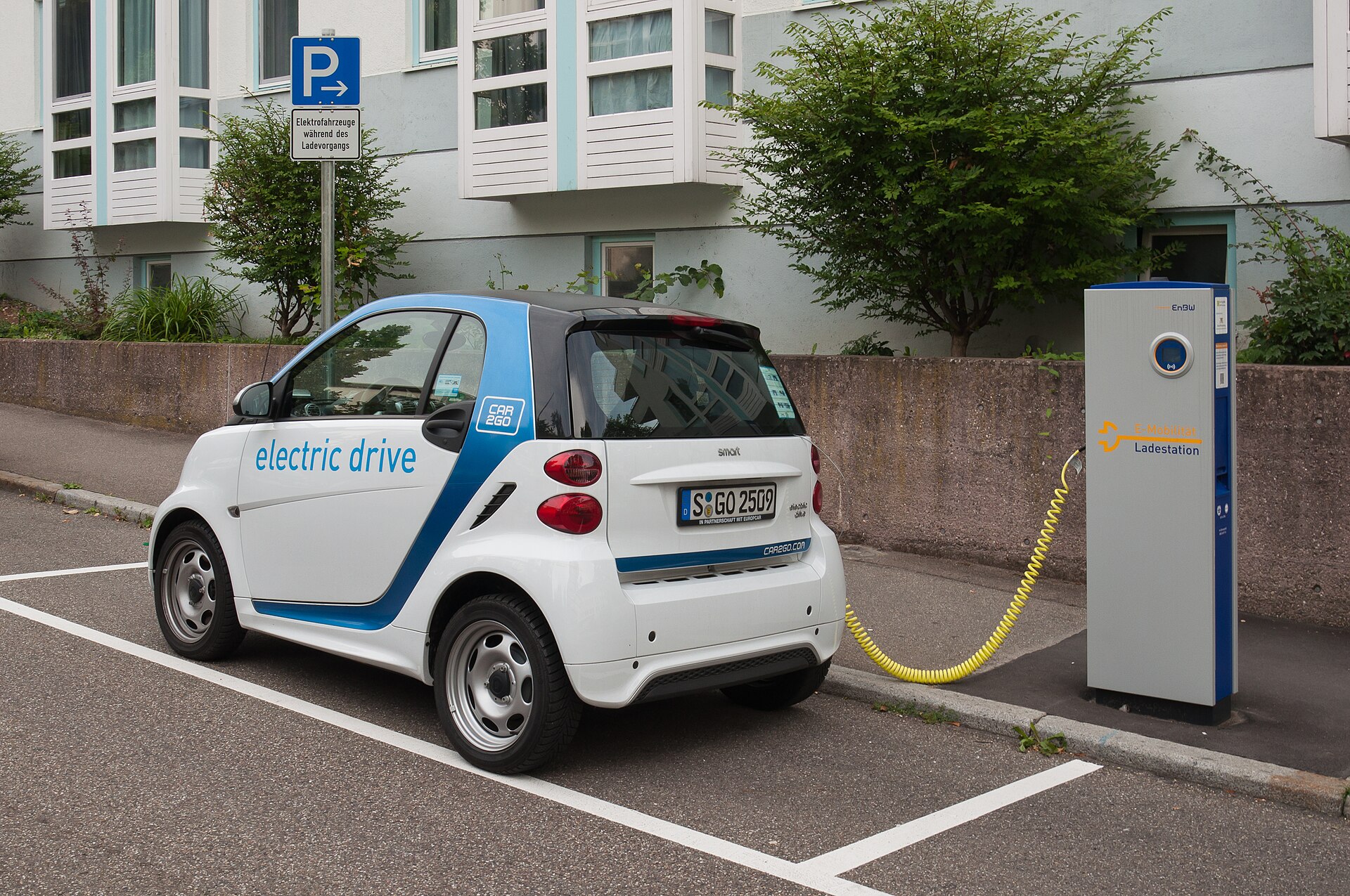
Energy price increases hit trucking operations on multiple fronts. Diesel fuel is the most visible line item, but electricity costs affect fleets running electric trucks or plug-in hybrid yard tractors. Natural gas prices matter for shops with gas-fired heating or compressed natural gas (CNG) fueling stations. When energy costs spike, every gallon of diesel, every kilowatt-hour of charging, and every therm of shop heat costs more.
The 0.7% drop in real earnings compounds the problem. Technicians, drivers, and administrative staff see their paychecks buy less. That puts upward pressure on wage demands at a time when small fleets are already competing with larger carriers for qualified mechanics. If you budgeted a 3% wage increase for 2026, the May inflation figure just erased most of that gain in real terms.
How inflation affects parts pricing and service intervals
Parts suppliers pass energy costs through to customers. Steel, aluminum, and plastic components all require energy-intensive manufacturing. Freight costs to move parts from distribution centers to your shop also rise when diesel prices climb. Expect OEM parts catalogs to reflect higher base prices in the second half of 2026.
Service intervals remain fixed by engineering specs, but the cost to execute each PM climbs. Oil, filters, coolant, and DEF all carry energy inputs in their production and distribution. A Class 8 tractor PM that cost $450 in parts and fluids six months ago may now run $475 to $490, even with no change in the work performed.
What small fleets should watch in the next 90 days
Track your per-truck monthly operating cost. Break out fuel, maintenance, and insurance separately. If fuel cost per mile rises faster than your rate per mile, you are losing margin on every load. If maintenance cost per mile climbs while your PM schedule stays constant, inflation is eating into your reserve.
Renegotiate service contracts if they lack fuel-adjustment clauses. Mobile repair vendors and third-party maintenance shops face the same energy cost pressures. A fixed-price annual maintenance agreement signed in late 2025 may no longer cover their costs in mid-2026. Expect requests to renegotiate or add surcharges.
Review your 2026 capital budget. If you planned to replace a truck in Q4 2026, the combination of higher interest rates (driven by inflation) and higher OEM pricing may push the total cost above your original estimate. Run the numbers now, not in November when you are ready to order.
How this compares to recent inflation trends
The May 4.2% figure is the highest since early 2023, when inflation peaked above 6% before moderating through 2024 and early 2025. The PCE inflation measure hit 3.5% in March 2026, signaling that price pressures were building before the May CPI report confirmed the trend.
The 0.7% drop in real hourly earnings is the sharpest since early 2023. That period saw widespread driver turnover and upward wage pressure across the industry. Small fleets that held wages flat in 2024 and early 2025 may now face renewed pressure to raise pay, even as operating margins tighten.
What this means for your shop budget
Inflation at 4.2% and falling real wages create a squeeze. Your costs rise faster than your revenue. Your employees' paychecks buy less, even if you gave them a nominal raise. The combination forces hard choices: delay a truck replacement, stretch a PM interval (not recommended but common), or pass costs to customers through rate increases.
If you cannot raise rates, you must cut costs elsewhere. That often means deferring non-critical repairs, running trucks longer between trades, or switching to lower-cost aftermarket parts. Each choice carries risk. A deferred repair becomes a roadside breakdown. An older truck costs more to maintain per mile. Aftermarket parts may lack OEM warranty coverage.
The alternative is to absorb the margin hit and wait for inflation to moderate. That works if you have cash reserves and a stable customer base. It does not work if you are already running thin margins or facing slow freight demand. The May CPI report does not tell you which path to take. It tells you the decision is now unavoidable.