Iran Reopens Hormuz, Oil Flows Again Under U.S. Deal
Agreement lets Iran sell crude freely, reversing sanctions that spiked diesel 50% since war started. What the fuel-price drop means for small fleets.


How much will diesel drop now that Iran can sell oil again?
The U.S. struck a deal with Iran that reopens the Strait of Hormuz and allows Iran to sell crude freely on world markets, reversing sanctions that helped push diesel and gasoline to multi-year highs. The agreement goes beyond the 2015 nuclear deal's terms, representing a major concession to get oil flowing again.
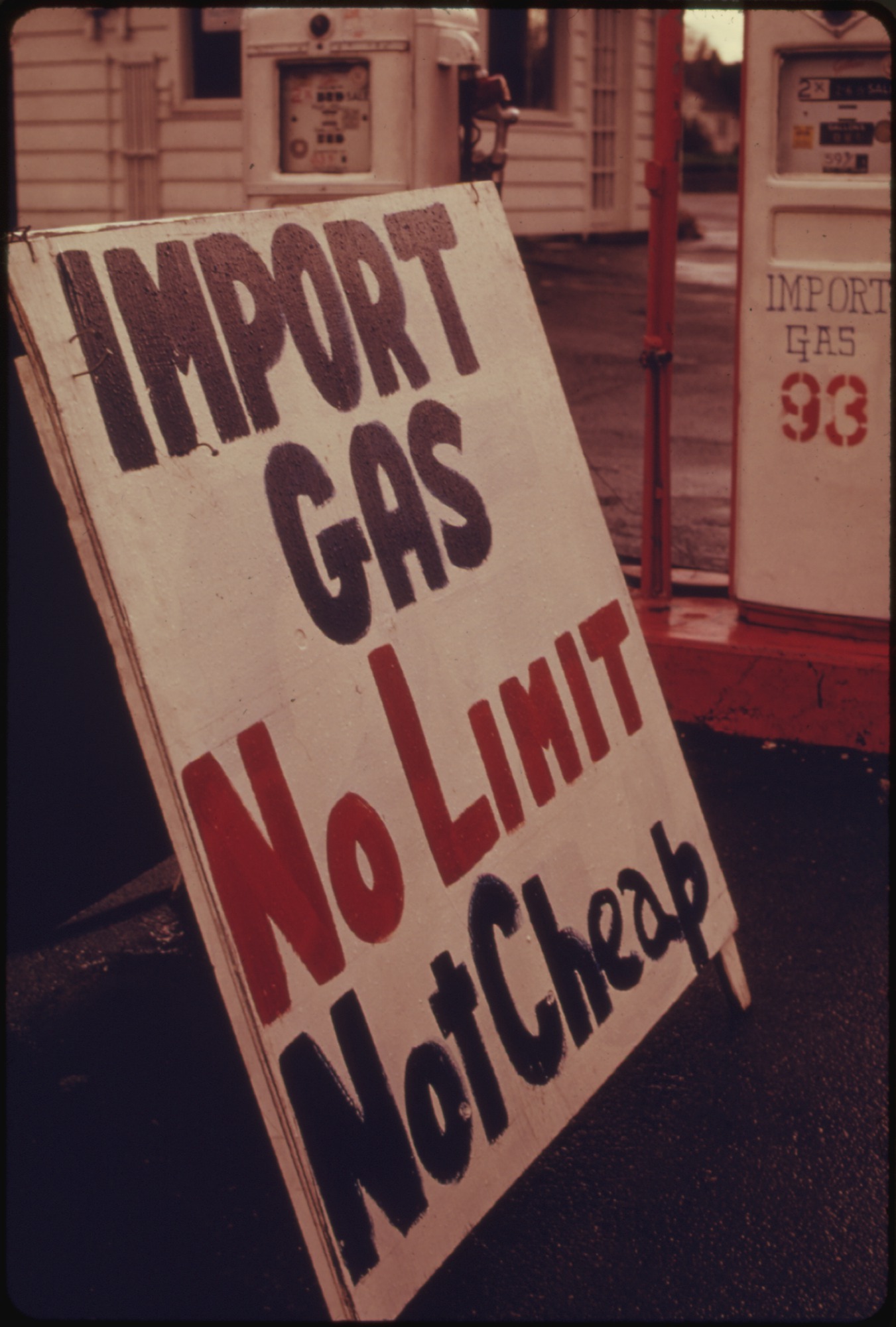
The immediate effect: crude supply increases, global prices fall, and diesel at the pump follows. Gasoline hit $4.48 per gallon in early May, up 50% since the Iran conflict started. Diesel tracked higher. Small fleets running 5 to 50 trucks saw fuel costs jump $1,000 to $10,000 per truck per month depending on miles and tank size. Gasoline hit $4.48 in May, a 31-cent spike in one week alone.
Iran was producing roughly 3.8 million barrels per day before sanctions tightened. Most of that stayed off global markets or moved through gray channels at steep discounts. The new deal puts that volume back into official supply chains, adding roughly 2% to global crude output. Oil futures dropped 4% in overnight trading after the announcement, signaling traders expect the added supply to stick.
What the fuel-price reversal means for settlement statements
A 10% drop in diesel prices saves a solo owner-operator running 2,500 miles per week about $125 per week, or $6,500 annually. A 20-truck fleet running similar miles saves roughly $130,000 per year. Those figures assume diesel falls from recent highs near $4.80 per gallon to $4.30, a conservative estimate if crude holds its overnight losses.
Fuel surcharges tied to the Department of Energy index will lag the spot-price drop by one to two weeks. Carriers on percentage-of-linehaul contracts won't see direct fuel relief unless shippers adjust base rates to reflect lower operating costs. Spot-market carriers and those on cost-plus agreements capture the savings faster.
The White House extended a Jones Act waiver in April to ease domestic fuel shipments, but that move addressed distribution bottlenecks, not supply. The Jones Act waiver allowed foreign-flagged tankers to move refined products between U.S. ports. The Iran deal attacks the supply side, adding crude that U.S. refineries can process into diesel and gasoline.
How long the price drop lasts
Crude markets price in geopolitical risk. The Iran deal removes one major risk premium, but it doesn't eliminate volatility. If the agreement holds and Iranian crude flows steadily for three months, diesel could settle 15% to 20% below May highs by late summer. If the deal collapses or Iran restricts exports again, prices snap back.
Small fleets should lock fuel hedges or negotiate fuel surcharge floors now, while prices are falling. Waiting for diesel to bottom out risks missing the window. Fuel-price swings in 2022 and 2023 taught the market that geopolitical deals are temporary until proven otherwise.
The U.S. gave up significant leverage to reopen Hormuz. Iran can now sell oil without the volume caps or buyer restrictions the 2015 nuclear deal imposed. That suggests the White House prioritized fuel-price relief over long-term sanctions strategy, likely because gasoline above $4.00 per gallon creates political pressure in an election year.
What changes for a 5-truck fleet
Fuel is the second-largest line item after driver pay for most small fleets. A sustained 15% drop in diesel prices improves operating margin by 3 to 5 percentage points, depending on how much of the savings flows through fuel surcharges versus base rates. Carriers on fixed-rate contracts see the full benefit. Carriers on percentage deals see none unless shippers renegotiate.
The Iran deal also signals that global oil supply can shift faster than most carriers plan for. Fleets that budgeted for $4.50 diesel through year-end now face a different scenario. Adjust fuel budgets, renegotiate surcharge terms, and watch crude futures. The next supply shock works the other direction, and it will come without warning.