PCE Inflation Jumps to 3.8% in April, Highest Since May 2023
The Fed's preferred inflation gauge rose three-tenths of a point in a month as fuel prices continued to climb.


Why did inflation jump in April 2026?
The Personal Consumption Expenditures price index hit 3.8% in April compared with a year earlier, the Commerce Department reported May 28. That's up from 3.5% in March and marks the highest reading since May 2023. The three-tenths-of-a-point monthly jump reflects continued pressure from fuel prices, which have climbed steadily since the start of the Iran conflict.
The PCE is the Federal Reserve's preferred inflation gauge. When it moves, interest rates follow. For carriers, that means the cost of equipment financing, working capital lines, and insurance premiums all track higher when the Fed holds rates elevated to fight inflation.
April's 3.8% reading puts inflation well above the Fed's 2% target for the fourth consecutive month. PCE hit 3.5% in March, driven by the same fuel spike that has added hundreds of dollars per week to operating costs for small fleets.
What the inflation spike costs a small fleet
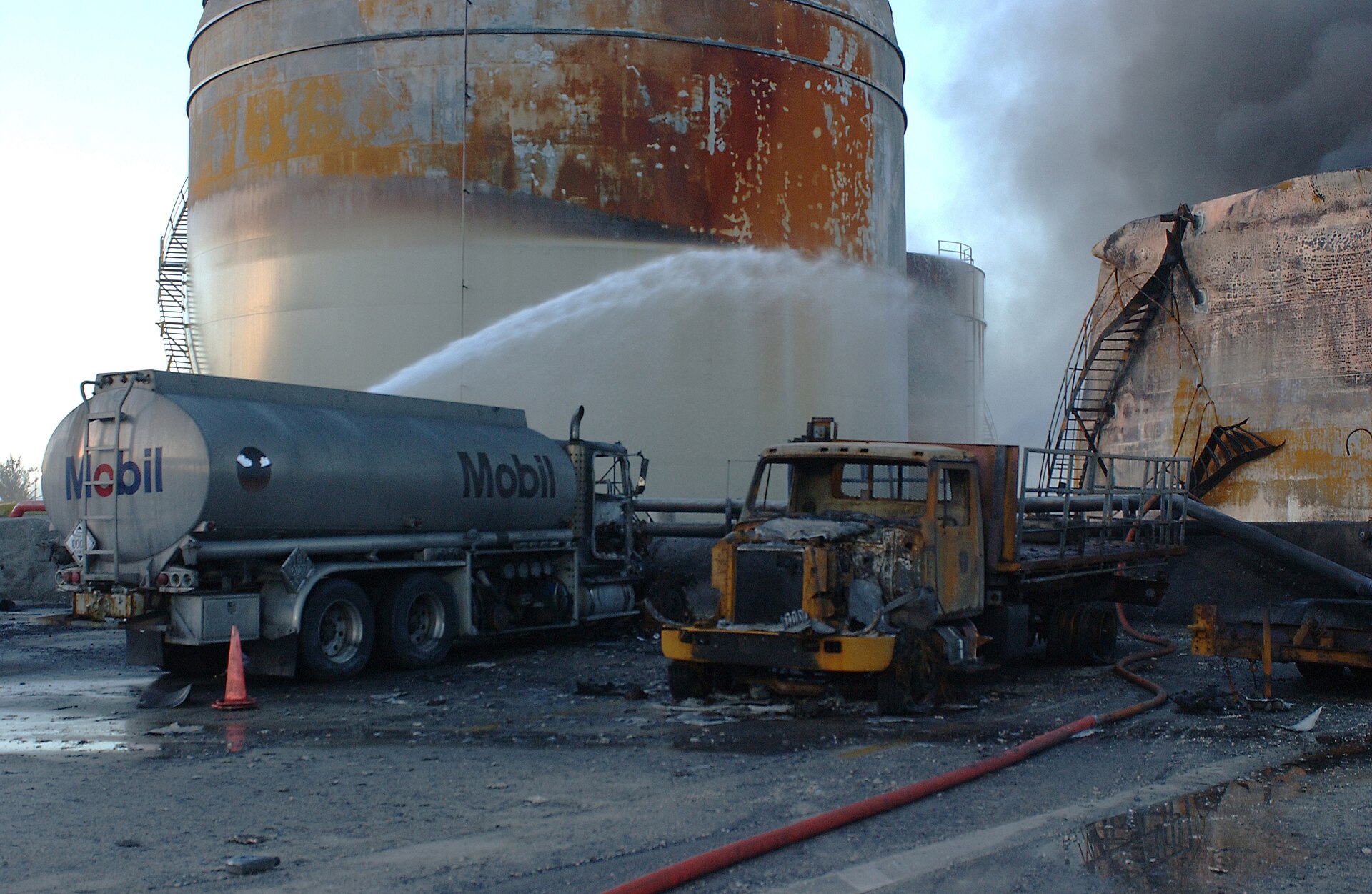
Fuel is the direct hit. Diesel prices have climbed in lockstep with gasoline through April and early May. Gasoline reached $4.48 per gallon by early May, up 50% since the Iran war started. Diesel has tracked a similar path, adding $200 to $400 per week in fuel costs for a single truck running 2,500 miles.
The indirect costs compound over months. Insurance carriers reprice policies based on inflation expectations. Lenders adjust rates on equipment loans and lines of credit when the Fed signals it will keep benchmark rates high. Maintenance parts, tires, and shop labor all rise when the broader price level climbs at a 3.8% annual pace.
Small fleets feel inflation twice: once in the settlement statement when fuel and parts cost more, and again when shippers resist rate increases because their own input costs are climbing. A 10-truck fleet that locked in contract rates in late 2025 is now running lanes at a loss if those contracts didn't include fuel escalators tied to actual pump prices.
How long inflation stays elevated
The April PCE reading is the fourth straight month above 3%. The Fed typically responds to sustained inflation above its 2% target by holding interest rates higher for longer. That means equipment financing costs stay elevated, and working capital becomes more expensive to carry.
If fuel prices stabilize or retreat, the PCE could ease in coming months. But the year-over-year comparison won't drop quickly. April 2025 fuel prices were already elevated, so the base effect won't help until late summer. Small fleets planning equipment purchases or lease renewals should assume financing costs stay high through at least Q3 2026.
The inflation spike also pressures freight rates indirectly. Shippers facing their own cost increases push back harder on rate requests. Contract renewals that might have yielded a 3% to 5% increase in a stable environment are now flat or down, even as the carrier's costs climb. Spot rates have shown no consistent upward movement despite higher operating costs, leaving owner-operators and small fleets to absorb the margin squeeze.