Prime Sues IRS for $11M Reefer Fuel Tax Refund Owner-Operators Can Claim Too
The Springfield carrier wants back the federal excise tax it paid on diesel that ran refrigeration units, not highway miles. The same credit is on IRS Form 4136, and any owner-operator running reefer can file for it.

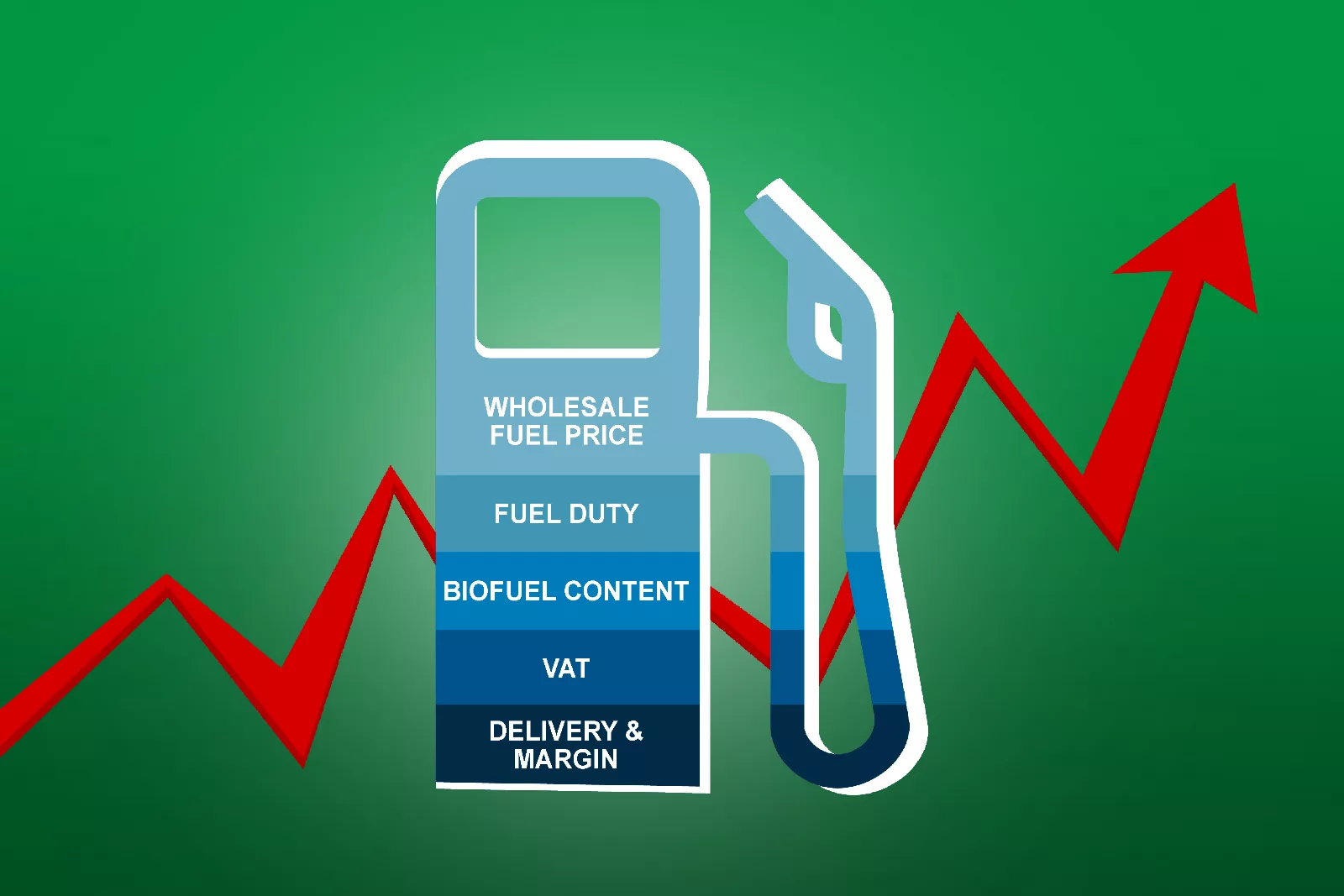
Prime Inc. filed a federal lawsuit June 16 seeking an $11 million refund of fuel excise tax the carrier paid on diesel burned by trailer refrigeration units. The same tax credit Prime is fighting for in court is available to owner-operators and small fleets on IRS Form 4136, and most reefer operators are leaving money on the table by not claiming it.
Can I get a refund on reefer fuel tax?
Yes. The federal excise tax on diesel (24.4 cents per gallon as of 2026) applies only to fuel used to move a vehicle on public highways. Diesel burned by a reefer unit to keep freight cold is considered off-highway use, and the IRS allows you to claim a credit for the tax you already paid on that fuel. You file the claim on Form 4136, Federal Fuel Tax Credit, when you file your annual income tax return (Form 1040 for sole proprietors, Form 1120 for corporations). The credit reduces your tax bill dollar-for-dollar or generates a refund if you've already paid.
Prime's lawsuit, filed in the U.S. District Court for the Western District of Missouri, argues that the carrier paid excise tax on reefer diesel for years and is entitled to a refund. The case is New Prime, Inc. v. United States. Prime runs roughly 9,000 trucks and is one of the largest refrigerated carriers in the country.
How much reefer fuel does a trailer actually burn?
A reefer unit burns its own diesel, separate from the fuel that moves the truck. Anyone running refrigerated freight pays for two fuel burns on every load: the diesel that moves the truck down the road, and the diesel that runs the refrigeration unit on the trailer. Both come out of the same pocket. Only one of them is actually pushing the truck down the highway.
A typical reefer unit burns 0.4 to 1.0 gallons per hour depending on ambient temperature, setpoint, and whether the unit is in continuous or start-stop mode. On a 2,000-mile run that takes 40 hours of drive time plus 10 hours of rest stops with the reefer running, a unit might burn 20 to 50 gallons. At 24.4 cents per gallon federal excise tax, that's $4.88 to $12.20 in tax per load that you can claim back.
For an owner-operator running 100 reefer loads a year, the annual credit could range from $488 to $1,220. For a 5-truck reefer fleet, multiply that by five: $2,440 to $6,100 per year. Prime's $11 million claim suggests the carrier burned roughly 45 million gallons of reefer diesel over the tax years in question.
What records do I need to claim the reefer fuel credit?
The IRS requires you to separate reefer fuel consumption from highway fuel. You need:
- Fuel receipts showing total gallons purchased.
- Reefer unit hour-meter readings or telematics data showing how many hours the unit ran.
- A reasonable method to calculate gallons burned by the reefer. Most owner-operators use the manufacturer's rated fuel consumption (gallons per hour) multiplied by total reefer hours. Carrier and Thermo King publish fuel-burn specs for every unit model.
If you fuel from the same tank for both tractor and reefer, you'll need to track reefer hours separately. Many newer reefer units log hours automatically, and some telematics platforms (Samsara, Geotab, Omnitracs) can pull reefer runtime directly. If you don't have telematics, keep a manual log of reefer start and stop times or use the unit's built-in hour meter.
The IRS does audit fuel-tax credits, especially large claims. Keep your records for at least three years after you file. If the IRS challenges your calculation, you'll need to show how you arrived at the gallon figure.
When do I file Form 4136?
You file Form 4136 with your annual income tax return. For sole proprietors (Schedule C filers), that's April 15 of the year after the tax year. For corporations, it's the corporate return deadline (March 15 for S-corps, April 15 for C-corps, or the 15th day of the fourth month after your fiscal year ends).
You cannot file Form 4136 quarterly. The credit is annual only. If you're an owner-operator leased to a carrier, you claim the credit yourself if you're paying for the reefer fuel. If the carrier pays for reefer fuel and you're reimbursed, the carrier claims the credit, not you.
Why most reefer operators don't claim this credit
The credit has been on the books for decades, but many owner-operators and small fleets don't know it exists. Tax preparers who don't specialize in trucking often miss it. The IRS doesn't advertise off-highway fuel credits, and the form itself (4136) is dense. It covers credits for farm equipment, construction equipment, and other off-highway uses, and the reefer credit is buried in the instructions.
Prime's lawsuit may draw more attention to the credit. If a 9,000-truck carrier is fighting for $11 million, the same principle applies at every scale. A single owner-operator running reefer year-round is leaving hundreds of dollars on the table every April by not filing the form.
What Prime's lawsuit means for the credit going forward
Prime's case will test whether the IRS has been correctly applying the off-highway fuel tax rules to reefer diesel. If Prime wins, the IRS may issue clearer guidance on how to claim the credit, which would make it easier for small carriers to file. If Prime loses, the IRS may tighten enforcement or challenge the credit altogether, though the statute itself (26 U.S.C. § 6427) is clear that off-highway diesel qualifies.
Either way, the credit is still on the books today, and you can file for it on your next tax return. If you've been running reefer for the past three years and haven't claimed the credit, you can file amended returns (Form 1040-X for individuals, Form 1120-X for corporations) to claim the credit retroactively. The IRS allows amendments for up to three years after the original filing deadline.
If you're running refrigerated freight and you're not tracking reefer fuel separately, start now. Set up a simple spreadsheet with columns for date, load number, reefer hours, and estimated gallons burned. At year-end, total the gallons and multiply by 24.4 cents. That's your credit. Hand the number to your tax preparer or enter it on Form 4136 yourself. The form is available on IRS.gov, and the instructions walk through the calculation line by line.
Prime's $11 million fight is the same fight every reefer operator has at a smaller scale. The fuel burned to keep freight cold is not highway fuel. The tax you paid on it is refundable. File the form.