Russia Eyes Diesel Export Limits as Refinery Runs Hit Multi-Year Low
Ukraine attacks on refineries push Russian run rates down, prompting export restriction talks that could tighten global diesel supply.


What would Russian diesel export limits mean for US fuel prices?
Russia is considering limits on diesel and jet fuel exports as refinery run rates fall to multi-year lows under escalating attacks from Ukraine, according to Interfax. The move would tighten global diesel supply at a time when US pump prices are already elevated from Middle East conflict disruptions.
Russian refineries have cut production sharply in response to Ukrainian strikes on energy infrastructure. Lower run rates mean less fuel available for export markets, particularly Europe and parts of Asia that rely on Russian diesel. If Moscow formalizes export restrictions, those buyers will compete for alternative supply from US Gulf Coast refiners, Indian plants, and Middle Eastern producers.
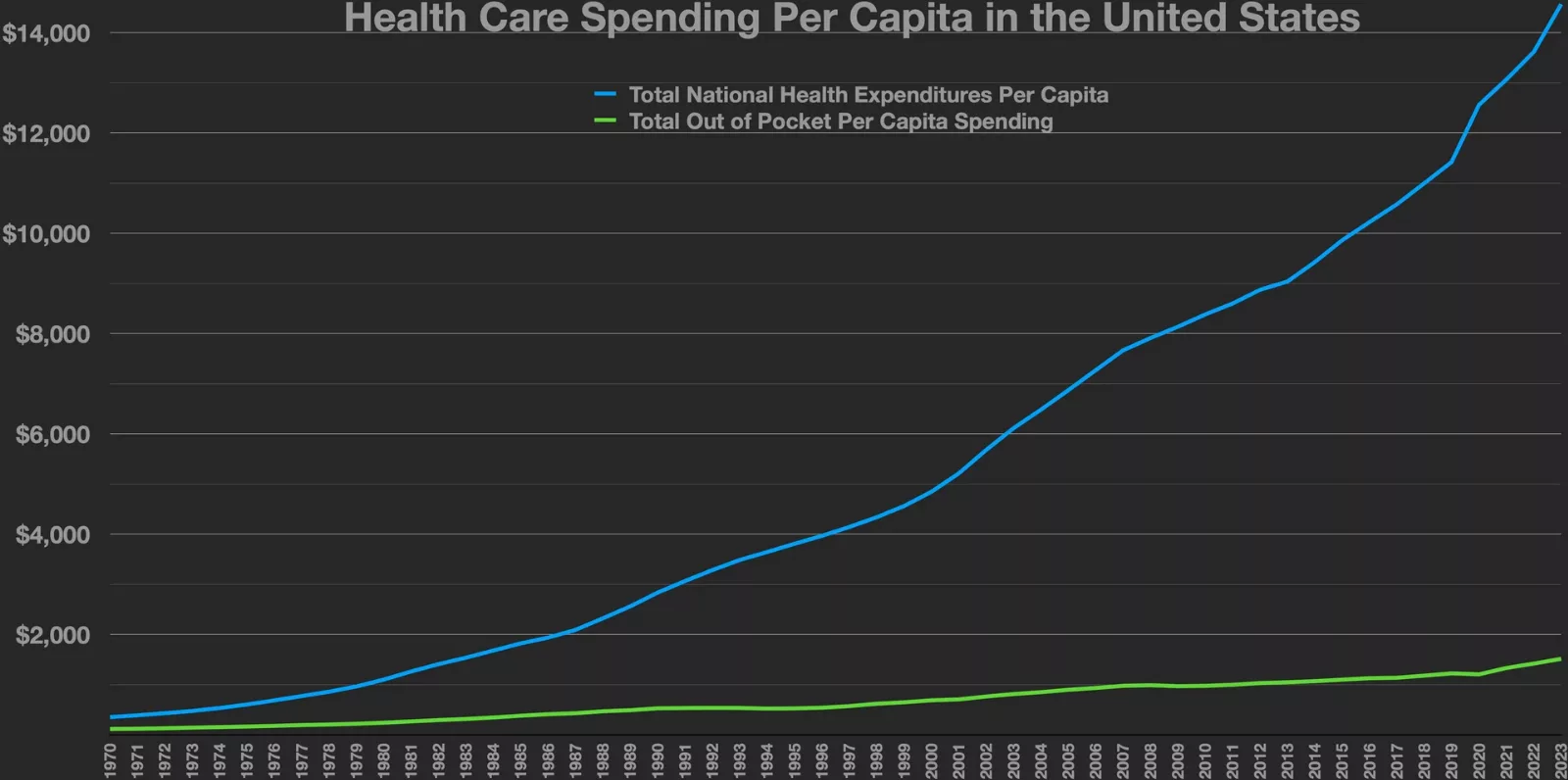
US diesel markets have already absorbed strain this spring. Retail diesel averaged $4.48 per gallon in early May, up 50% since the Iran war started, driven by crude price spikes and refinery margin expansion. Russian export limits would add a second layer of upward pressure by pulling more US-produced diesel into international markets, leaving less volume for domestic distribution and potentially widening the basis between wholesale and retail prices.
The timing compounds existing supply tightness. US West Coast diesel has shipped to Australia for the first time in years as Iran war fuel shortages redirect Pacific trade flows. If Russian barrels exit European markets, refiners in the US Gulf and on the East Coast will face competing demand from both European and Asian buyers, which historically lifts export netbacks and pulls domestic rack prices higher.
Jet fuel restrictions would hit a different set of buyers but carry similar price mechanics. Airlines hedge fuel months in advance, so immediate pass-through to ticket prices is limited. Diesel, by contrast, trades on shorter contracts. Fleets running on weekly or monthly fuel agreements will see Russian supply risk priced into their next renewal if export limits take effect.
Refinery run rates in Russia have not been quantified in the Interfax report, but multi-year lows suggest production cuts in the range of 10% to 20% compared to pre-conflict levels. Ukraine has targeted refineries in the Volgograd, Ryazan, and Nizhny Novgorod regions over the past year, with satellite imagery confirming damage to distillation units and storage tanks. Lower throughput reduces the volume available for both domestic consumption and export, forcing Moscow to choose between supplying its own market and maintaining hard-currency revenue from fuel sales abroad.
Export limits would mark a policy shift. Russia has historically kept fuel exports flowing even during domestic shortages, prioritizing foreign exchange earnings. A move to restrict diesel and jet fuel suggests either severe refinery damage or a strategic calculation that domestic fuel security now outweighs export revenue. Either scenario tightens the global balance.
European diesel inventories have run below the five-year average since late 2025, leaving little cushion to absorb a Russian supply cut. The continent imports roughly 500,000 barrels per day of diesel and gasoil from Russia in a typical year, though volumes have fluctuated under sanctions and countersanctions since 2022. A formal export ban would force European buyers to source replacement barrels from the US, Middle East, and India, bidding up prices in those markets and transmitting the cost increase back to US diesel racks through arbitrage.
What a tighter diesel market costs a small fleet
For a 10-truck fleet running 1,000 miles per week per truck at 6 miles per gallon, a 20-cent-per-gallon diesel price increase adds $333 per week to the fuel bill, or roughly $17,000 annually. That assumes the price move sticks for a full year. Fleets without fuel surcharge agreements absorb the entire cost. Those with surcharges tied to the DOE weekly average will see partial recovery, typically with a one- to two-week lag.
Russian export limits have not been finalized. The Interfax report cites government consideration of the policy, not implementation. Timing and scope remain unclear. But the direction is set by refinery damage that cannot be repaired quickly. Even if Moscow stops short of a formal ban, lower Russian run rates mean less diesel in the market and higher prices for the barrels that remain.