Toyota Halts Lexus EV Plans as Automakers Recalibrate Electric Rollouts
Toyota's pause on Lexus EV development reflects broader industry pullback as demand slows and incentive programs face uncertainty.


Why did Toyota halt its Lexus EV plans?
Toyota suspended development of new Lexus electric vehicles as part of a broader investment review, according to a May 29 report. The decision reflects slowing demand growth for EVs and uncertainty around government incentive programs that have propped up early adoption.
The pause affects Lexus-branded electric models. Toyota has not disclosed which specific vehicles or platforms are on hold, nor has it announced a timeline for resuming development. The automaker framed the move as part of a strategic review of its electrification investments.
What this signals for commercial EV adoption
Toyota's pullback mirrors a pattern across the auto industry. Major manufacturers are stretching EV launch timelines and cutting production targets as retail buyers hesitate and fleet operators wait for total-cost-of-ownership math to improve. Federal tax credits under the Inflation Reduction Act remain in place for now, but their future depends on legislative and regulatory decisions outside manufacturers' control.
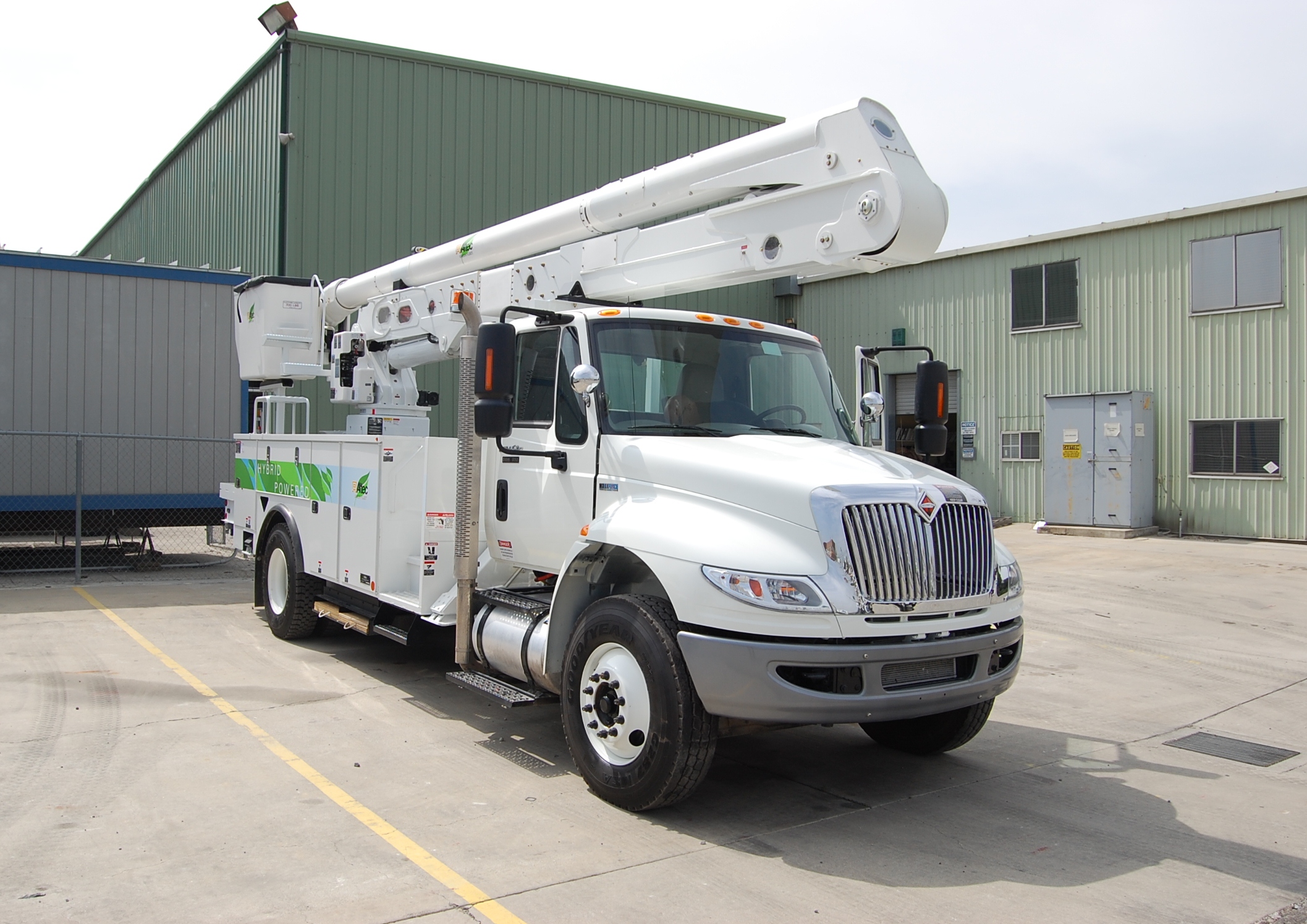
For commercial fleets, the Lexus halt is a passenger-car story with a freight parallel. Hendrickson's ElectraAx e-axle targets medium-duty EVs by late 2027, but suppliers and OEMs alike are watching order books closely. If light-duty EV demand softens, component makers may shift capacity away from electric drivetrains, tightening supply and raising costs for commercial buyers.
Class 8 EV adoption has followed a similar trajectory. Early orders came from fleets with dedicated charging infrastructure and predictable routes. Volume buyers have stayed on the sidelines, waiting for battery costs to drop, charging networks to expand, and resale values to stabilize. Toyota's move suggests automakers see the same hesitation across segments.
How government incentives shape OEM timelines
Toyota cited uncertainty around government incentives as a factor in the review. Federal EV tax credits currently cover up to $7,500 for qualifying passenger vehicles and up to $40,000 for commercial trucks over 14,000 pounds GVWR. Those credits expire or phase down under current law unless Congress extends them.
Fleets planning EV purchases in 2027 and beyond face the same uncertainty. If credits disappear, the payback period on an electric Class 8 tractor stretches by years. OEMs building production capacity today are betting on incentive structures that may not exist when the first units roll off the line.
The Lexus halt does not directly affect Toyota's commercial vehicle operations, which remain separate. Toyota has not announced changes to its hydrogen fuel-cell truck development or its partnership with Hino on medium-duty platforms.
What changes for fleets
Toyota's decision does not alter the near-term availability of Class 8 EVs from Freightliner, Peterbilt, Kenworth, Volvo, or Mack. Those manufacturers have production slots booked through 2027 for existing models. The risk is longer-term: if passenger-car EV demand stays soft, battery suppliers may reduce capacity, driving up cell costs for commercial packs.
Fleets evaluating electric trucks should lock in pricing and delivery dates now if they plan to take advantage of current federal credits. OEMs are not cutting list prices to match slower demand. They are stretching delivery windows and reducing build slots instead.
For shops, the Lexus news is a reminder that EV adoption timelines remain fluid. Training budgets and tooling investments should assume a slower rollout than manufacturers projected two years ago. The equipment will arrive, but not on the original schedule.