Norfolk Southern Profit Falls 27% in Q1 as Insurance Bump Ends
The Class I railroad posted a sharp earnings drop after insurance payments from the East Palestine derailment dried up — a reminder that one-time windfalls don't last.

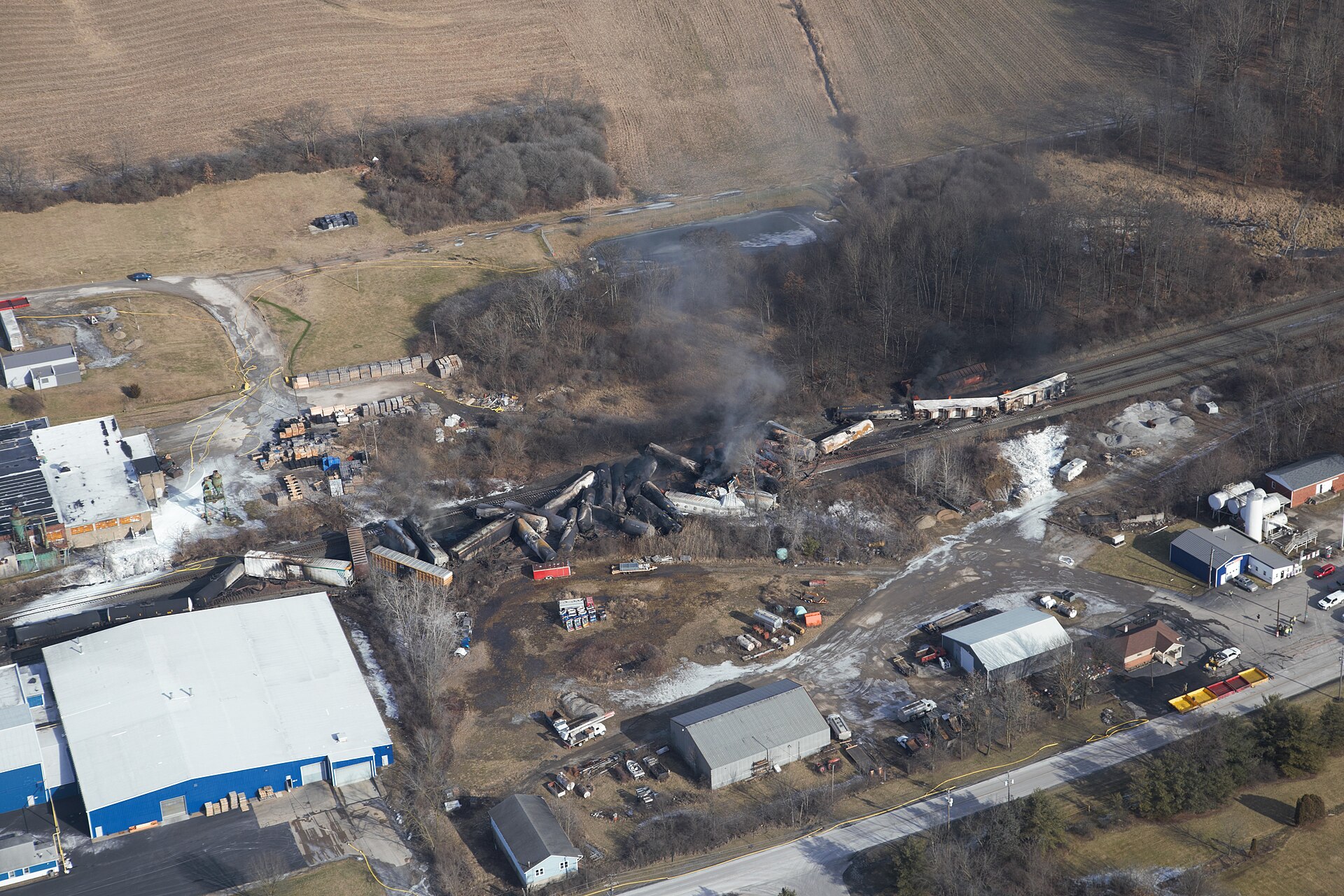
Norfolk Southern's first-quarter profit fell 27% compared to the same period last year, marking the end of an insurance-driven earnings boost that had padded the railroad's bottom line since the February 2023 derailment in East Palestine, Ohio.
Why did Norfolk Southern's profit drop in Q1?
The railroad collected insurance payments in recent quarters tied to the East Palestine derailment, which temporarily lifted earnings. That revenue stream ended this quarter, exposing the underlying performance of the railroad's freight operations without the one-time cushion.
For trucking companies that compete with rail on certain lanes or depend on intermodal connections, the earnings drop signals that Norfolk Southern is no longer operating with a financial buffer. Railroads under margin pressure typically tighten service standards, adjust pricing, or pull back on capacity investments — all of which can shift freight back to the highway or complicate drayage schedules for carriers running intermodal containers.
What the insurance windfall masked
The East Palestine derailment in February 2023 triggered a multi-quarter insurance payout cycle that boosted Norfolk Southern's reported earnings even as the railroad faced operational disruptions, regulatory scrutiny, and cleanup costs. Those payments acted as a temporary earnings floor, masking the performance of the railroad's core freight business.
With the insurance payments now exhausted, the 27% profit decline reflects the railroad's actual operating environment — one shaped by freight demand, fuel costs, labor expenses, and competitive pressure from trucking on shorter lanes.
Why this matters for small fleets
Railroads and trucking compete most directly on lanes longer than 750 miles, where intermodal rail can undercut truckload rates by 10% to 20% when service is reliable. When a Class I railroad reports a sharp profit drop, it often precedes one of two moves: aggressive pricing to win back volume, or service cutbacks that push freight onto the highway.
Small fleets running long-haul lanes should watch for rate pressure if Norfolk Southern tries to recapture margin through intermodal pricing. Conversely, if the railroad tightens capacity or slows service to cut costs, shippers may shift containers back to over-the-road carriers — creating short-term spot opportunities but also signaling broader freight market weakness.
The 27% profit drop also underscores a broader point for owner-operators and small-fleet owners: one-time revenue events — whether insurance payouts for a railroad or detention pay for a carrier — don't change the underlying cost structure. When the windfall ends, the margin pressure returns.