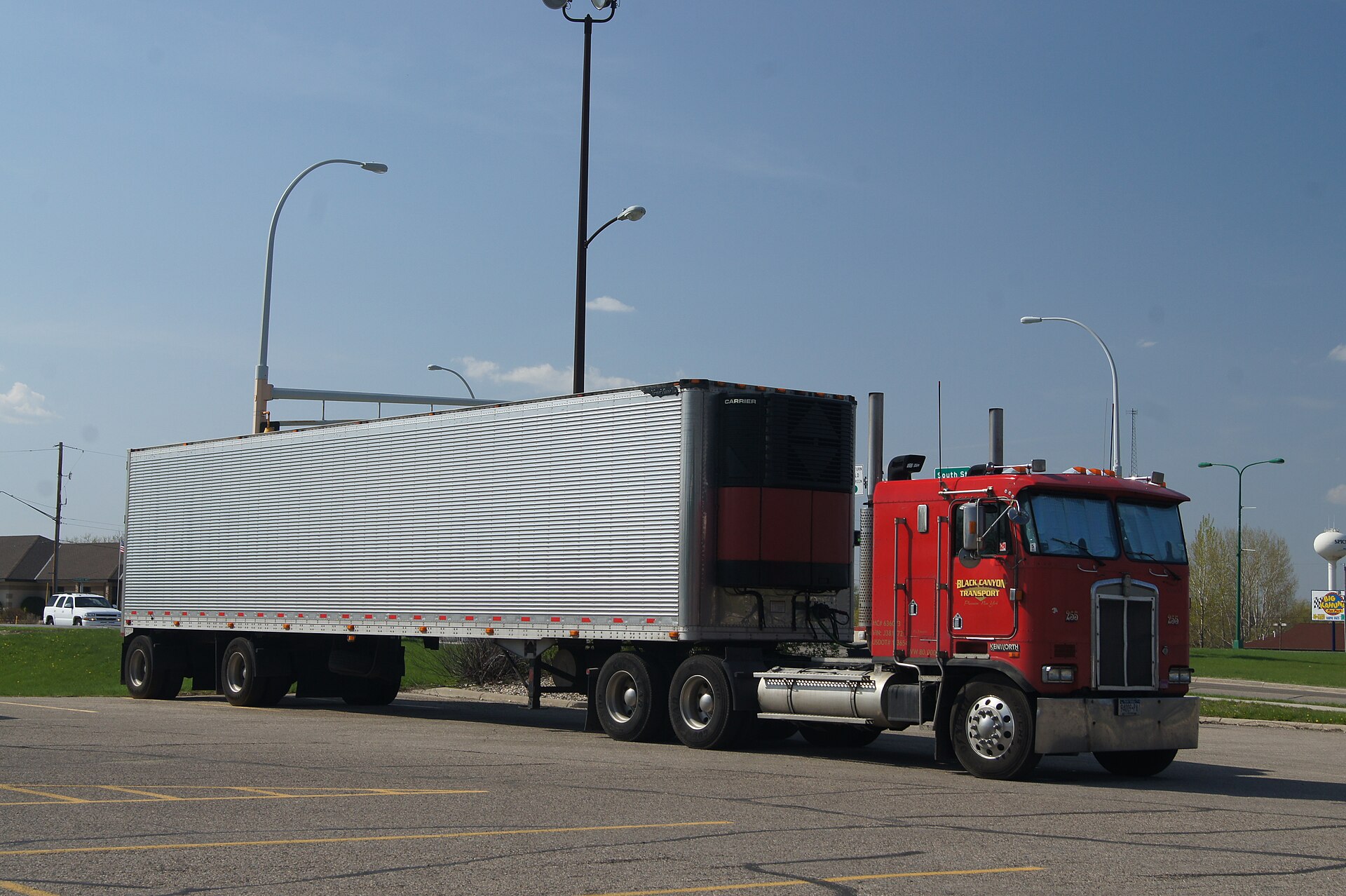
Flatbed Spot Rates Jump 8¢ While Dry Van and Reefer Slide
Flatbed linehaul climbed to $2.61/mile last week — the second straight 8-cent gain — while dry van and reefer rates dropped as load counts fell across all three equipment types.

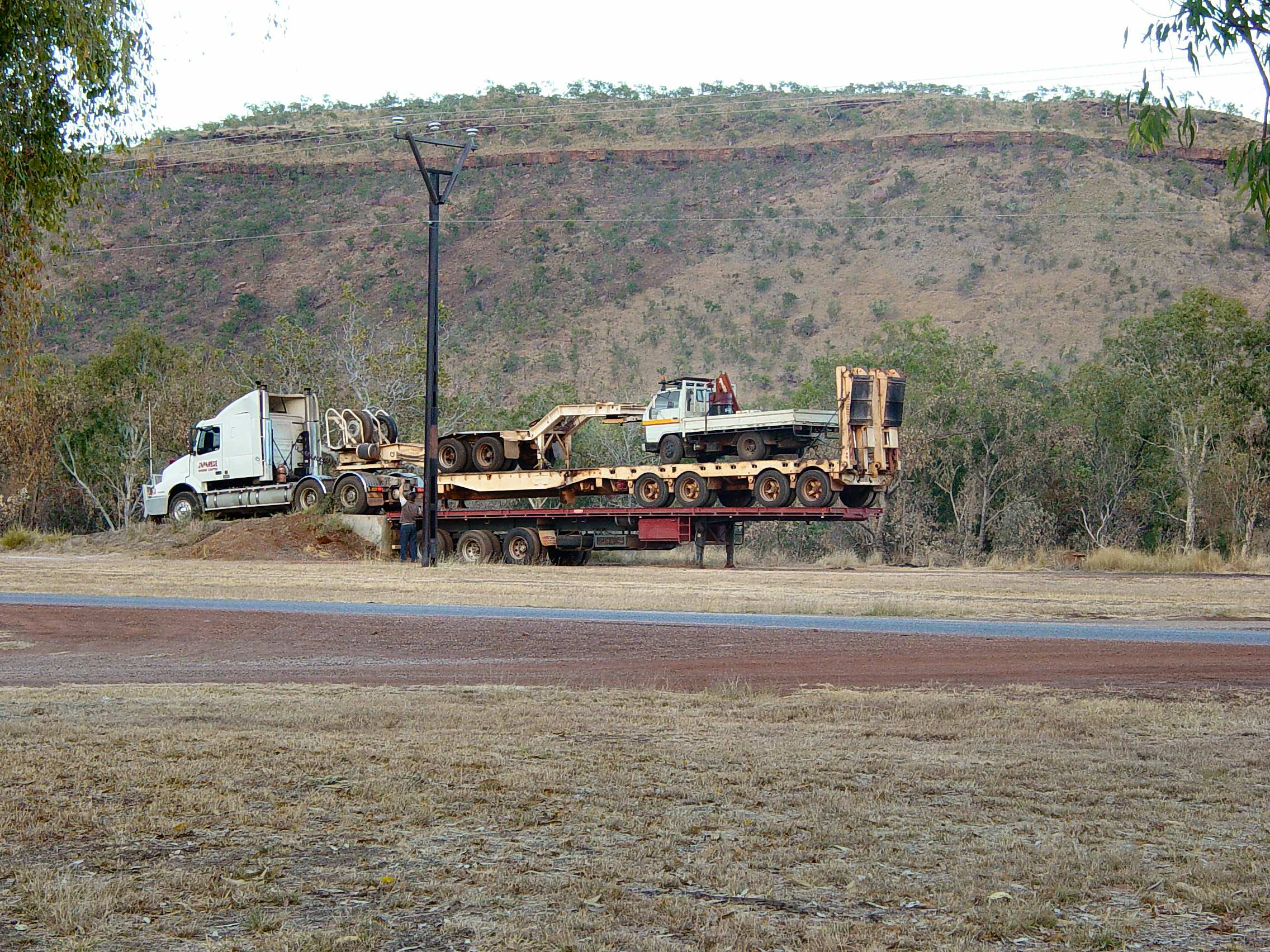
Flatbed spot rates rose 8 cents per mile for the second consecutive week, hitting $2.61 per mile nationally, while dry van and refrigerated rates both declined last week, according to FTR and DAT data released this week.
Why did flatbed rates climb while van and reefer dropped?
Flatbed linehaul rates gained $0.08 per mile last week — matching the prior week's increase — and now sit 23% to 24% higher than the same week last year, per FTR and DAT. DAT's national linehaul average reached $2.61 per mile, up $0.03 from the prior week, while FTR recorded the larger 8-cent gain. Flatbed load counts fell 3.8% week over week, meaning the rate climb happened despite lower posted volume.
Dry van spot rates moved in opposite directions depending on the data source. FTR reported a 2-cent gain, pushing rates up almost 39% year over year, while DAT recorded a 2-cent drop to $1.99 per mile — still 25% above last year. Dry van loads fell 4% for the week.
Refrigerated rates dropped harder. FTR showed a nearly 5-cent decline, while DAT recorded a 4-cent drop to $2.35 per mile. Both sources agree reefer rates remain 25% to 35.5% higher than last April. Refrigerated load counts fell 10.7%, the steepest volume decline of the three equipment types.
What the rate split means for small fleets
The flatbed gain — 16 cents over two weeks — is the kind of move that changes settlement math for owner-operators running step-decks or RGNs. A 500-mile run that paid $1,305 two weeks ago now brings $1,385 at the $2.61 national average, a difference of $80 per load before fuel surcharge. For a flatbed owner-operator running four loads a week, that's $320 more in gross revenue.
Dry van and reefer operators face tighter margins. The 2-to-5-cent weekly drops erase fuel savings unless diesel continues its recent slide. A van operator running 2,500 miles a week at DAT's $1.99 average grosses $4,975 before FSC — down $50 from the prior week if rates fell 2 cents. Reefer operators saw a steeper hit: 4 cents per mile on 2,500 weekly miles costs $100 in gross revenue.
Load counts fell across all three segments, meaning the rate movements happened in a softer posting environment. Flatbed's 3.8% volume drop was the smallest decline, which may explain why rates held. Reefer's 10.7% load drop — the largest of the three — likely pressured rates downward as carriers chased fewer available loads.
Year-over-year comparisons still favor carriers
All three equipment types remain well above last year's rates. Dry van's 25% to 39% year-over-year gain — depending on the data source — reflects the capacity exits and tighter truck supply that began in late 2025. Reefer's 25% to 35.5% increase and flatbed's 23% to 24% climb show the same pattern: fewer trucks chasing freight than a year ago, even as weekly load counts fluctuate.
For small fleets, the year-over-year comparison matters more than week-to-week noise. A dry van operator who grossed $1.59 per mile in April 2025 now clears $1.99 — a 40-cent gain that covers higher insurance premiums, shop labor, and the diesel price swings that have defined the past six months. Flatbed operators running $2.12 per mile last April now see $2.61, a 49-cent improvement that offsets the higher equipment costs and longer dwell times common in construction and energy freight.
The flatbed outlier
Flatbed's two-week, 16-cent climb stands out because it happened while loads fell. Construction season typically drives flatbed demand from March through October, and the rate strength suggests shippers are competing for available trucks rather than waiting for cheaper capacity. Steel, lumber, and machinery moves — flatbed's core freight — don't pause easily, and the 3.8% load drop may reflect normal weekly variance rather than a demand shift.
Dry van and reefer markets, by contrast, show the classic signs of a softening spot environment: falling rates and falling load counts. Van freight is more elastic — shippers can delay non-urgent moves or shift to contract lanes when spot rates climb. Reefer's 10.7% load drop and 4-to-5-cent rate decline suggest produce and protein shippers found enough capacity last week to avoid bidding up spot rates.
What changes for dispatchers this week
Dispatchers running mixed fleets should prioritize flatbed equipment for spot moves and consider parking vans or reefers on contract freight until spot rates stabilize. The 8-cent flatbed gain over two weeks is the kind of momentum that can extend into May if construction activity picks up and steel demand holds.
Van and reefer operators should watch fuel closely. Diesel's recent 21-cent drop to $5.40 per gallon — covered in prior reporting on crude price swings — cushions the 2-to-5-cent rate declines, but only if fuel stays flat. If crude climbs back above $100 per barrel and diesel follows, the rate drops become losses.
Small fleets running one or two trucks in a single equipment type don't have the flexibility to chase flatbed rates, but they can adjust lane selection. Flatbed's rate strength is national, meaning even secondary lanes should show better per-mile returns than van or reefer alternatives. Van and reefer operators should focus on high-volume lanes where load counts remain strong enough to support the current rate floor — avoiding thin lanes where a 10% volume drop forces a race to the bottom.