Diesel Drops 21 Cents, Then Crude Hits $100 — What Happens Next
National average fell to $5.40/gallon this week, but Brent crude spiked over $100/barrel as Iran ceasefire uncertainty keeps the Strait of Hormuz in play.


Why did diesel drop 21 cents this week if crude oil just spiked?
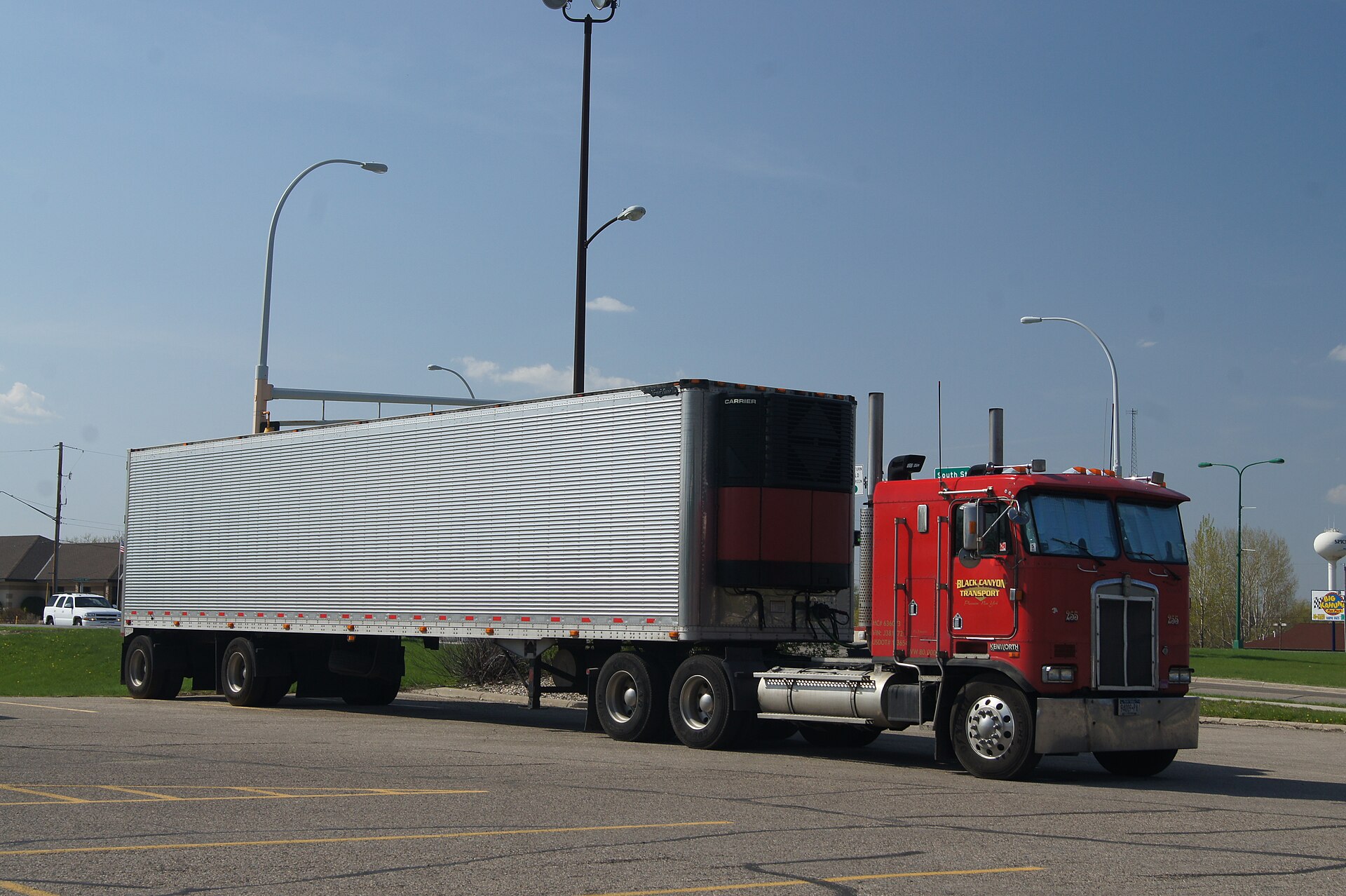
The national average on-highway diesel price fell 21 cents to $5.40 per gallon in the week ending April 23, according to the U.S. Energy Information Administration. That's the sharpest single-week drop since early 2024 and puts the pump price roughly 30 cents below where it sat a month ago. But the relief may be short-lived: since the EIA published that figure, Brent crude oil futures climbed above $100 per barrel and have held there for more than a day. The driver is renewed uncertainty around the U.S.-Iran ceasefire and whether the Strait of Hormuz — the chokepoint for roughly 20% of global oil supply — will stay open.
For a five-truck fleet running 2,500 miles per week per truck at 6.5 mpg, the 21-cent drop translates to roughly $400 in weekly fuel savings across the fleet. That assumes you locked in fills at the lower price before crude spiked. If crude holds above $100, refiners will pass the cost forward within 10 to 14 days, erasing most or all of the recent decline. The lag between crude movement and pump price means this week's $5.40 figure reflects oil that traded two weeks ago, not the current $100+ environment.
What the Strait of Hormuz closure risk means for diesel
The Strait of Hormuz is a 21-mile-wide channel between Iran and Oman through which roughly one-fifth of the world's petroleum passes daily. When that route closes or faces credible closure risk, oil futures spike on supply-disruption fears even if physical barrels keep moving. The current ceasefire between the U.S. and Iran remains what the source calls "muddy at best" — no clear timeline for reopening, no firm assurance that tanker traffic will resume at normal volume.
Historically, Brent crude above $100 per barrel has pushed U.S. diesel north of $5.75 within two to three weeks, assuming refiners operate at normal capacity and no strategic reserve releases intervene. The last time Brent held triple digits for more than a week was in early 2022, when diesel briefly touched $6.20 in some regions. Small fleets with thin margins felt that spike hardest because fuel surcharges lag spot rate movement by 30 to 45 days on many contract lanes, leaving carriers to front the cost difference.
FMCSA overhauls DataQs review process
The Federal Motor Carrier Safety Administration updated its DataQs program this week, introducing a three-stage review structure with hard timelines for state agencies processing data review requests. Under the new framework, a state must complete the initial review within 21 days, solicit reconsideration by an independent expert within another 21 days, and issue the final review within 45 days. The change aims to speed resolution for carriers disputing inspection violations, crash reports, or other FMCSA records that affect their CSA scores and insurance premiums.
The old DataQs process had no binding timelines, and carriers routinely waited 90 to 120 days for a state to rule on a disputed violation. That delay left inaccurate data on a carrier's public SAFER profile for months, sometimes triggering higher insurance quotes or disqualification from shipper-approved carrier lists. The new 45-day outer limit cuts that exposure window in half. For small fleets, a single disputed out-of-service violation can swing an insurance renewal by 15% to 20% if it sits unresolved through the renewal date.
Ohio Turnpike names 315 carriers owing $5.2 million in tolls
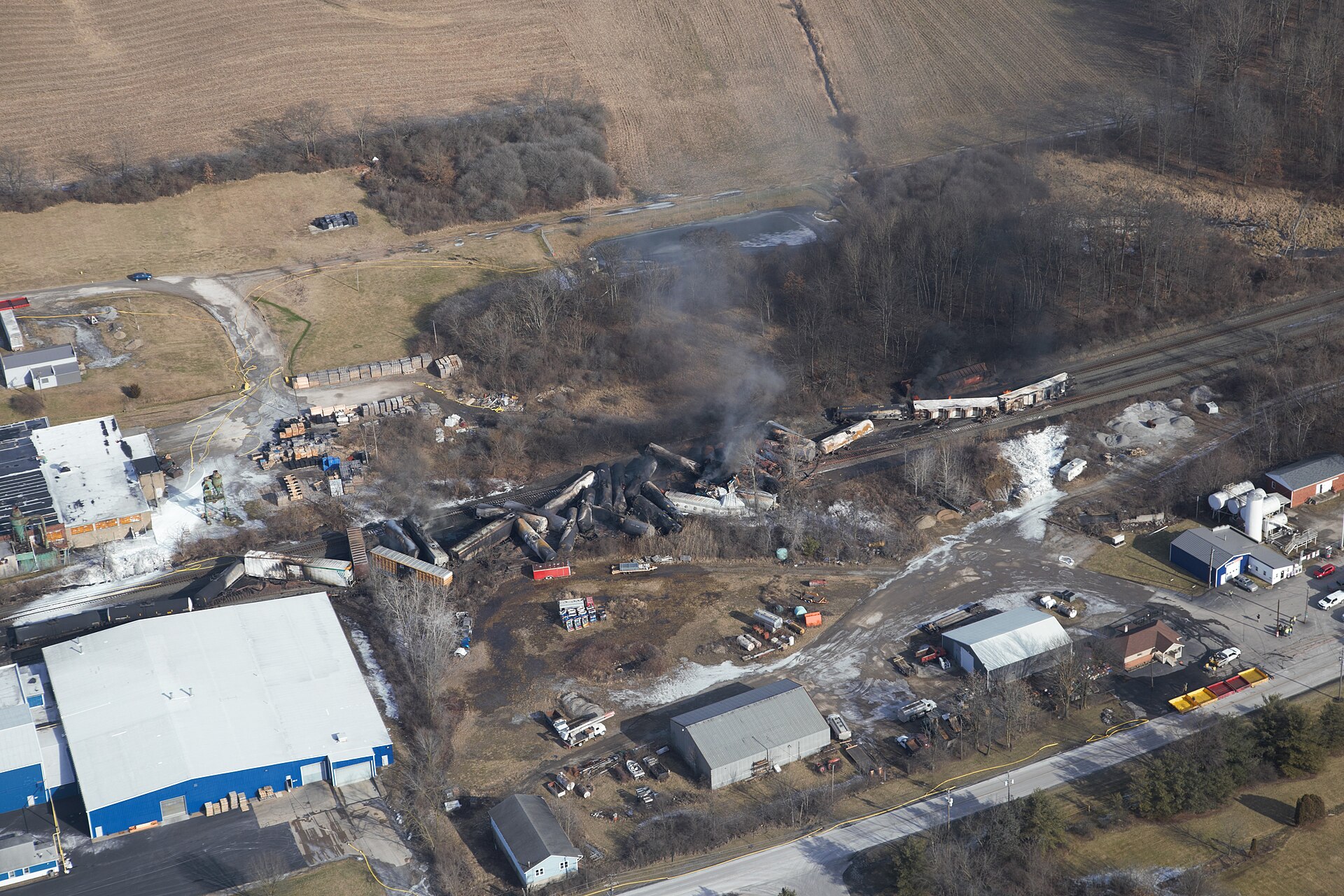
The Ohio Turnpike and Infrastructure Commission released a public list of 315 commercial trucking companies that owe $5,000 or more in unpaid tolls. The carriers collectively owe nearly $5.2 million in unpaid tolls accrued since April 2024. NYC Trucking Inc., a Pennsylvania-based carrier, tops the list at more than $155,000 in unpaid charges.
Ohio law allows the Turnpike Commission to refer unpaid tolls to collections and to block vehicle registration renewals for repeat offenders. The public-list tactic is newer: by naming carriers, the Commission signals to shippers and brokers which fleets carry unresolved toll debt, potentially affecting their ability to secure loads in Ohio lanes. For small fleets, $5,000 in unpaid tolls is roughly 100 to 125 one-way trips on the full length of the Turnpike, depending on axle count. That volume suggests either systematic transponder failures or deliberate non-payment.
Shippers and brokers vetting carriers for Ohio lanes can verify a carrier's active authority and SAFER profile to cross-check operating status, but toll debt does not appear in FMCSA records. The Ohio list is the only public source for this liability.
PlusAI cancels Nasdaq listing plan
Autonomous trucking company PlusAI terminated its plan to enter the Nasdaq stock market this week, citing "market conditions." The company had been set to merge with a special-purpose acquisition company earlier this year to facilitate an initial public offering. As recently as the first week of April, PlusAI founder and CEO David Liu said "we believe now is the right time to enter the public markets."
The reversal comes as autonomous trucking companies face tighter venture funding and slower-than-expected commercial deployment timelines. PlusAI has been testing Level 4 autonomous trucks on public highways with safety drivers since 2021, but has not announced a timeline for driverless commercial freight operations. For small fleets, the autonomous sector remains years away from affecting driver availability or spot rate competition, but the funding pullback signals that investors no longer expect near-term returns from the technology.
Humble Robotics debuts cab-less electric drayage truck
Autonomous truck company Humble Robotics introduced a fully electric, cab-less truck designed for regional and drayage operations in container yards rather than highway freight. The truck has no interior cab — the design replaces the traditional cabin with a thin, flat rectangle housing sensors and compute hardware. Headlights are thin and vertical, and LIDAR devices replace side mirrors. The overall profile resembles a flatbed trailer with a narrow sensor module in front.
The cab-less design reflects Humble's focus on yard and short-haul drayage, where speeds stay below 35 mph and routes are geofenced. The truck is not intended for over-the-road freight and would not be legal on most public highways under current FMCSA equipment standards, which require mirrors, a windshield, and other human-operator accommodations. For drayage carriers, the electric powertrain offers lower per-mile operating costs than diesel, but the autonomous component remains unproven at commercial scale.
What this means for fuel budgets in the next 30 days
If Brent crude holds above $100 per barrel, expect the national diesel average to climb 25 to 35 cents within two weeks, erasing this week's drop and pushing the pump price back toward $5.65 to $5.75. The Strait of Hormuz situation is the variable: if the ceasefire firms up and tanker traffic resumes, crude could fall back below $95, stabilizing diesel in the low $5.40s. If the strait stays closed or Iran escalates, crude could test $110, which historically has pushed diesel above $6.00 in high-cost regions like California and the Northeast.
Small fleets with fuel surcharge clauses tied to the EIA weekly average will see a one- to two-week lag before the surcharge catches up to the pump price. That lag means you front the cost difference on every gallon. Flocking to lower-cost fuel states — running an extra 50 miles to fill in a cheaper market — pencils out when the price delta exceeds 15 cents per gallon, assuming the detour costs no more than 30 minutes of drive time. At current spreads, that math works in border markets like Indiana-Illinois and Pennsylvania-Ohio, but not for longer detours.