Ocean Rate Surge Hits Domestic Trucking: What Iran Conflict Means for Your Lanes
Trans-Pacific container rates jumped 22% in a month as Middle East disruptions cascade through Asian transshipment hubs — and the ripple is already reaching domestic freight.

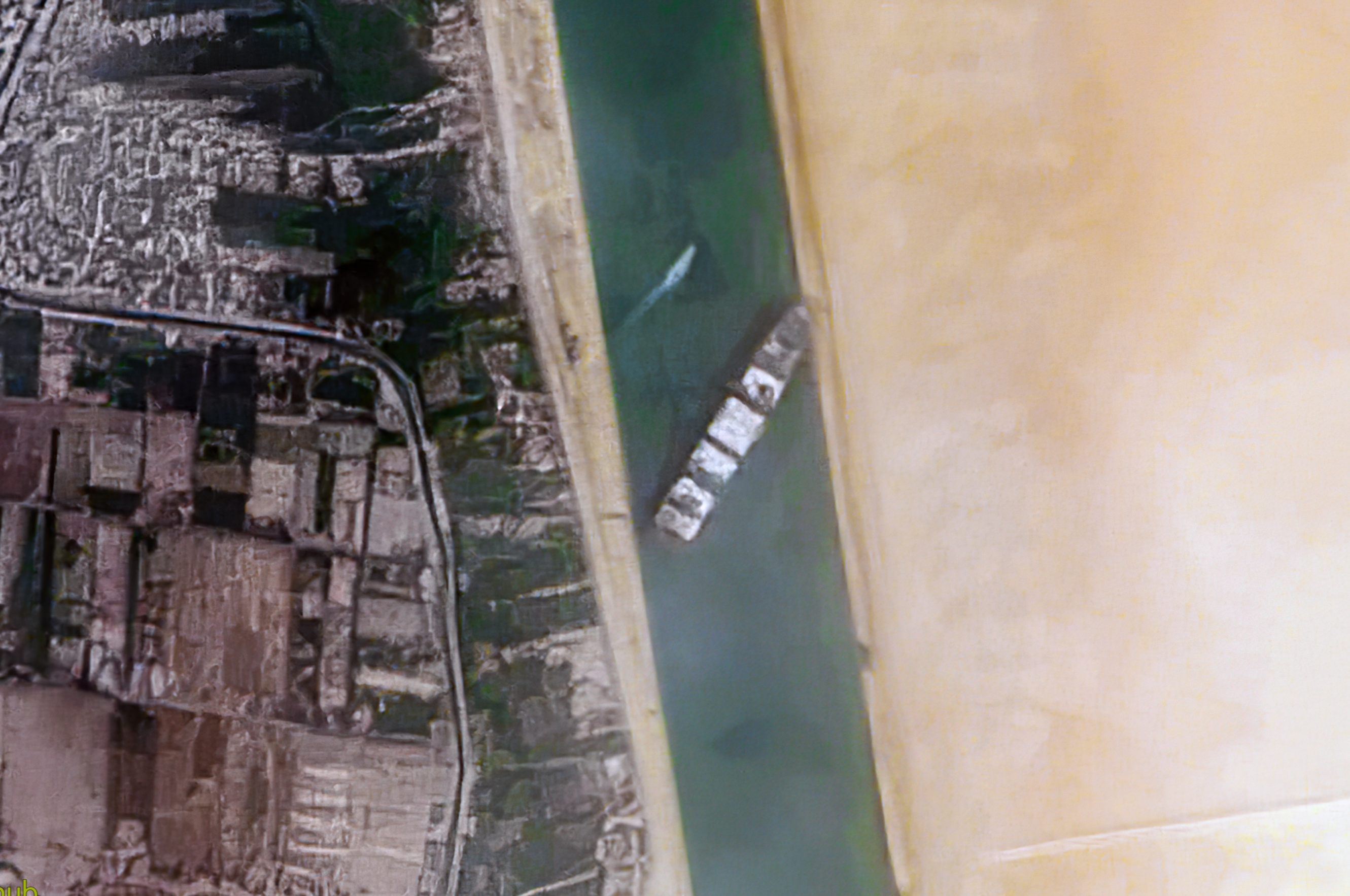
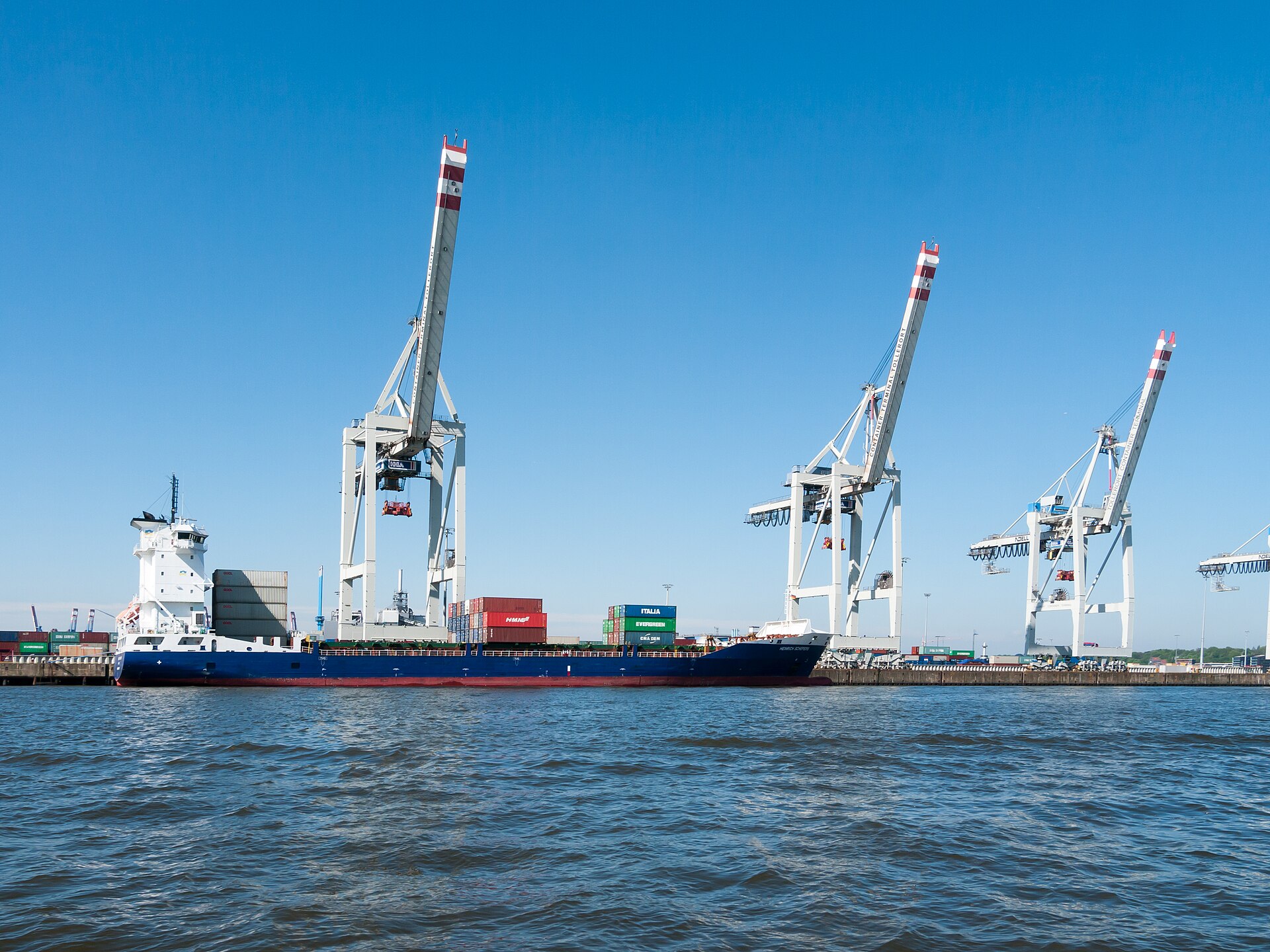
Trans-Pacific ocean container spot rates climbed 22% in the past month, hitting $2,857 per forty-foot container to the West Coast and $3,871 to the East Coast as of April 23, according to shipping platform Xeneta.
Why did ocean rates jump when the conflict is thousands of miles away?
The Iran conflict bottlenecked Southeast Asian transshipment hubs — Singapore, Port Klang, Colombo — where cargo bound for the U.S. typically consolidates before crossing the Pacific. "Shippers moving cargo to the U.S. via these hubs are paying the price for bottlenecks created thousands of miles away," said Xeneta analyst Peter Sand. Far East to U.S. East Coast rates rose 19% over the same period. Even the trans-Atlantic lane from North Europe to the U.S. East Coast — which does not touch Asian hubs or Middle East ports — surged 46% compared to one month ago.
The cascading effect works like this: vessels reroute or delay to avoid conflict zones, missing scheduled calls at transshipment ports. Containers stack up. Shippers pay premiums to secure space on the next available sailing. That rate pressure transmits to every leg of the supply chain, including the drayage and domestic trucking moves that pull containers off the dock and deliver them inland.
What this means for drayage and domestic lanes
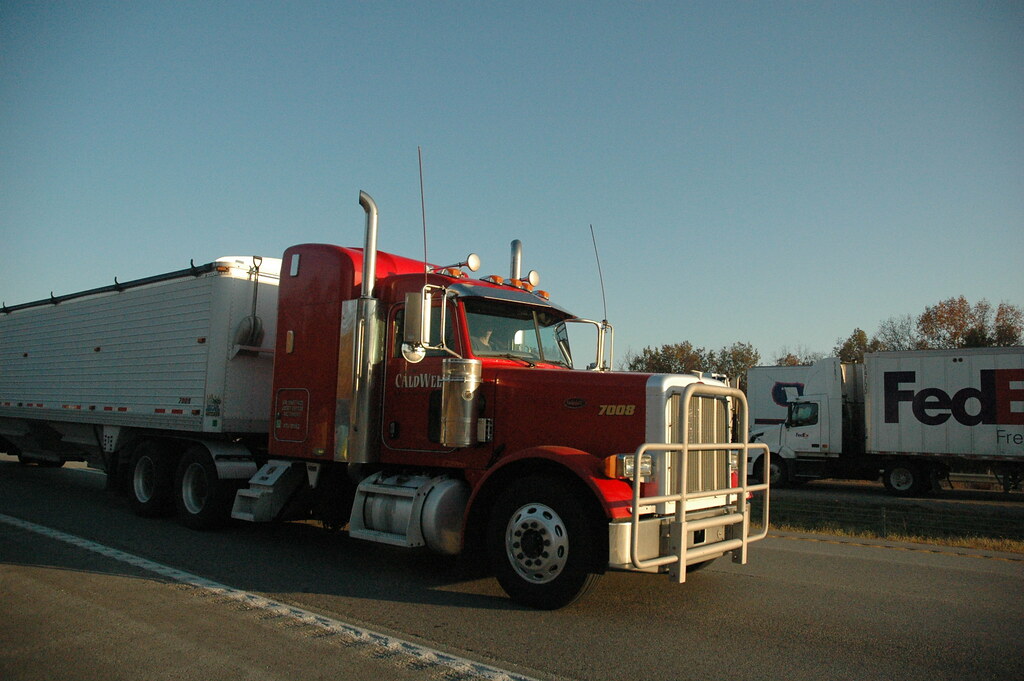
When ocean rates spike, two things happen to domestic trucking. First, importers who locked in higher container rates push harder on drayage and inland moves to recover margin — expect tighter negotiation on per-move rates out of LA/Long Beach, Oakland, Savannah, and the other major container gateways. Second, the volume itself becomes less predictable. Containers that would have arrived on a predictable weekly schedule now bunch up or skip a week entirely, leaving drayage fleets with uneven dispatch boards.
Small fleets running regular drayage loops should watch chassis availability and port congestion metrics closely over the next four to six weeks. If transshipment delays persist, you will see containers dwell longer at the terminal, tying up chassis and creating detention risk. The rate you quote today may not cover the wait you encounter next week.
How long the disruption lasts
The conflict has "migrated" rather than resolved, Sand noted, meaning the bottleneck is still active. Ocean carriers typically need four to six weeks to reposition vessels and clear backlogs once a disruption eases. That timeline assumes the conflict does not escalate further. If it does, the rate pressure extends.
For domestic carriers, the practical horizon is shorter: watch the next two weeks of container arrival data at your local port. If vessel delays persist past early May, the drayage crunch will follow. If arrivals normalize, rates should ease by mid-month.
The diesel connection
The same Middle East instability that rerouted container ships also pushed Brent crude over $101/barrel last week, adding fuel cost pressure on top of rate uncertainty. A 5-truck drayage fleet running 1,000 miles per truck per week burns roughly 715 gallons at 7 mpg. Every 10-cent move in diesel costs that fleet an extra $71.50 per week, or $286 per month. If diesel climbs another 20 cents while drayage rates stay flat, the margin disappears.
What to do if you run drayage or intermodal
Three moves for the next 30 days:
- Price in detention risk. If you quote a flat per-move rate to a beneficial cargo owner or freight forwarder, add a detention clause that kicks in after two hours at the terminal. The current environment makes long waits more likely, not less.
- Track vessel arrivals, not just dispatch calls. Use your port's vessel schedule tool to see which sailings are delayed. If a ship that normally arrives Tuesday is now showing Friday, your Thursday pickup will not happen — plan driver schedules accordingly.
- Renegotiate fuel surcharges weekly, not monthly. If you are on a monthly FSC reset and diesel is moving 20 cents in a week, you are eating the difference. Push for weekly resets or a floating index tied to the prior week's EIA average.
The ocean rate surge is a leading indicator, not a trailing one. By the time it shows up in your settlement statement, the margin is already gone.