Autonomous Truck Displays Hit Record Count at ACT Expo 2026
Las Vegas show floor featured more self-driving Class 8 units on display than any prior event, signaling hardware maturity and OEM confidence in commercial deployment.


How many autonomous trucks were on display at ACT Expo 2026?
ACT Expo 2026 in Las Vegas featured more autonomous trucks on the show floor than any previous industry event, according to coverage from the May 8 show. The Advanced Clean Transportation Expo dedicated educational sessions to autonomous truck technology alongside the hardware displays.
The concentration of self-driving Class 8 units in one venue marks a shift from concept demonstrations to production-ready hardware. Autonomous trucks have historically appeared as one-off prototypes at trade shows; the 2026 ACT Expo floor represented the first time multiple OEMs and technology integrators brought operational units to a single event.
What autonomous truck hardware was shown
Specific models, sensor suites, and OEM participants were not detailed in available coverage. The show floor displays focused on trucks equipped for autonomous operation rather than component-level exhibits. Educational sessions at the event addressed deployment timelines and operational frameworks for fleets considering autonomous adoption.
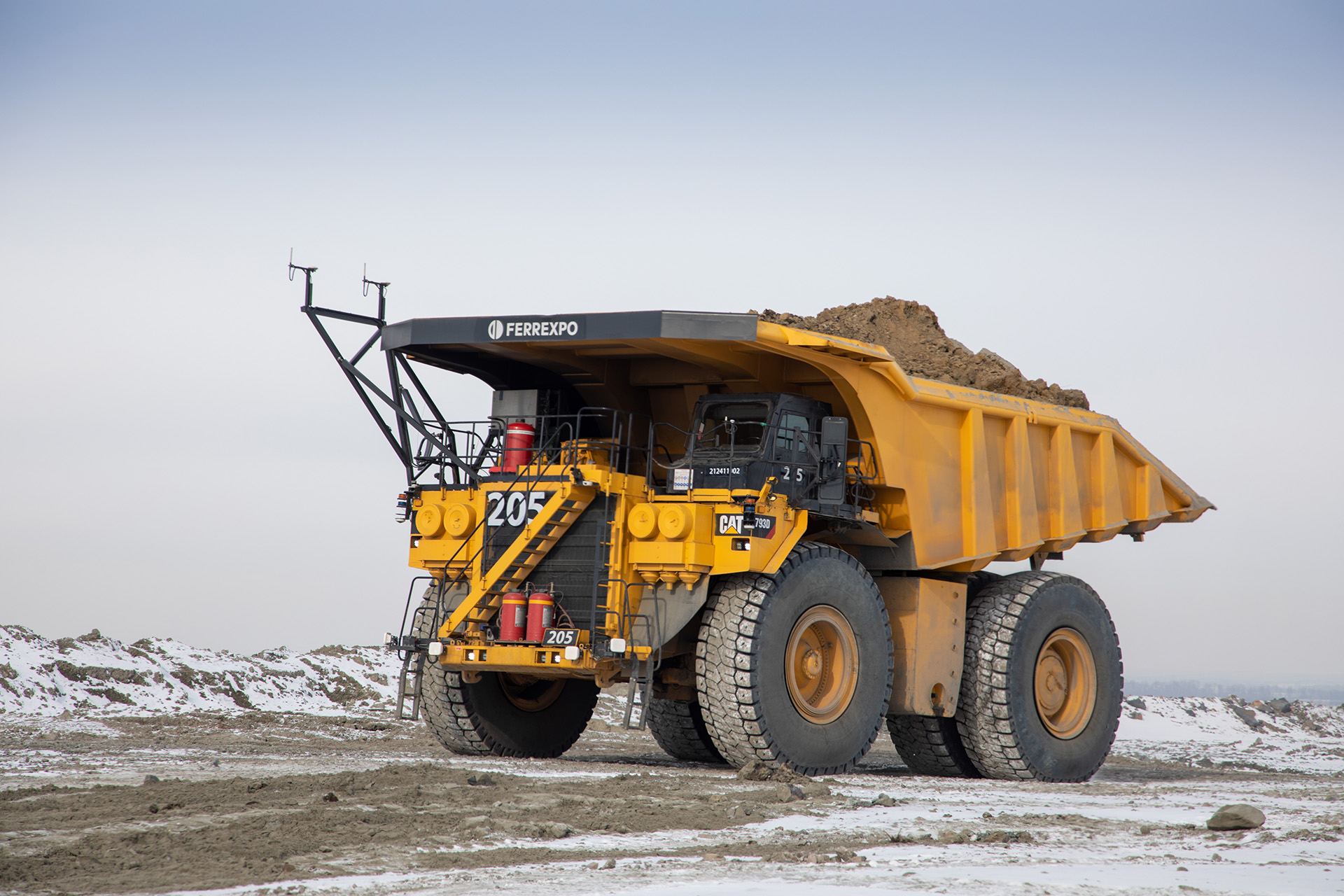
The hardware on display reflects years of validation testing in closed-loop and public-road environments. Autonomous Class 8 tractors typically carry lidar arrays, radar units, and camera clusters mounted to the cab and chassis, along with onboard compute hardware to process sensor data in real time. The systems shown at ACT Expo 2026 represent the current state of integration between traditional truck platforms and autonomous driving stacks.
Why autonomous trucks appeared at a clean-transportation show
ACT Expo's focus extends beyond zero-emission powertrains to include advanced transportation technology broadly. Autonomous trucks fit the event's scope because they address operational efficiency and safety alongside emissions reduction. The show has historically covered telematics, connectivity, and driver-assistance systems in addition to battery-electric and hydrogen fuel-cell trucks.
The presence of autonomous hardware at a clean-tech event also reflects overlap in the fleets evaluating both technologies. Large carriers testing battery-electric Class 8 tractors in regional haul are often the same operators piloting autonomous trucks in dedicated lanes. The convergence of electrification and autonomy on the same show floor signals that OEMs and technology providers view the two as complementary rather than competing paths.
What this means for fleet adoption timelines
The volume of autonomous trucks displayed at ACT Expo 2026 suggests OEMs and integrators believe commercial deployment is closer than prior industry timelines indicated. Trade show floor space is expensive; manufacturers do not commit to large displays unless they expect near-term sales or partnership announcements.
Fleets evaluating autonomous trucks face distinct TCO questions compared to conventional equipment. Sensor suites, compute hardware, and software subscriptions add upfront cost and recurring expenses. Maintenance shops must train technicians to service lidar, radar, and camera systems that are not present on standard tractors. Parts availability for autonomous-specific components remains unproven at scale.
Warranty terms for autonomous hardware are still emerging. OEMs have not yet published standardized coverage for sensor failures, software faults, or compute-unit replacements. Fleets considering autonomous adoption should confirm warranty duration, parts-replacement lead times, and whether software updates are included or billed separately.
Autonomous truck hardware vs driver-assistance systems
Autonomous trucks on the ACT Expo floor are distinct from the advanced driver-assistance systems (ADAS) now standard on new Class 8 tractors. ADAS features, automatic emergency braking, lane-departure warning, adaptive cruise control, assist a human driver but do not replace the driver. Autonomous trucks are designed to operate without a driver in the cab, at least in defined operational design domains.
The hardware difference is visible in sensor count and placement. ADAS-equipped trucks typically carry forward-facing radar and cameras. Autonomous trucks add 360-degree lidar coverage, side-facing radar arrays, and redundant compute systems to meet safety requirements for driverless operation. The additional hardware increases vehicle weight, which reduces payload capacity unless offset by lightweighting elsewhere in the spec.
Fleets running ADAS-equipped trucks today will not be able to retrofit those units to full autonomy. The sensor architecture, compute power, and software stack required for autonomous operation are fundamentally different from ADAS. Any fleet moving from driver-assistance to driverless will be buying new trucks, not upgrading existing ones.
What ACT Expo 2026 signals about OEM priorities
The record autonomous truck presence at ACT Expo 2026 indicates OEMs are allocating engineering and marketing resources to self-driving hardware at a level not seen in prior years. Trade show displays require working prototypes, trained staff, and logistics coordination. The number of autonomous trucks on the Las Vegas floor reflects decisions made 12 to 18 months earlier to prioritize this technology for public demonstration.
OEMs and technology integrators use events like ACT Expo to gauge fleet interest and collect feedback on hardware design. The educational sessions at the 2026 show provided a forum for fleet managers and shop supervisors to ask questions about serviceability, parts supply, and operational constraints. The answers to those questions will shape the next generation of autonomous truck hardware.
Fleets attending ACT Expo 2026 left with a clearer picture of what autonomous trucks look like in production form and which OEMs are closest to commercial launch. The show floor served as a benchmark for where the technology stands in mid-2026 and which manufacturers are serious about bringing autonomous Class 8 tractors to market.