Kodiak and Roehl Transport Launch Autonomous Freight Route in Texas
Wisconsin-based carrier partners with autonomous-truck developer for Dallas–Houston lane as Kodiak targets driverless operations by year-end.


When will Kodiak run fully driverless trucks on public roads?
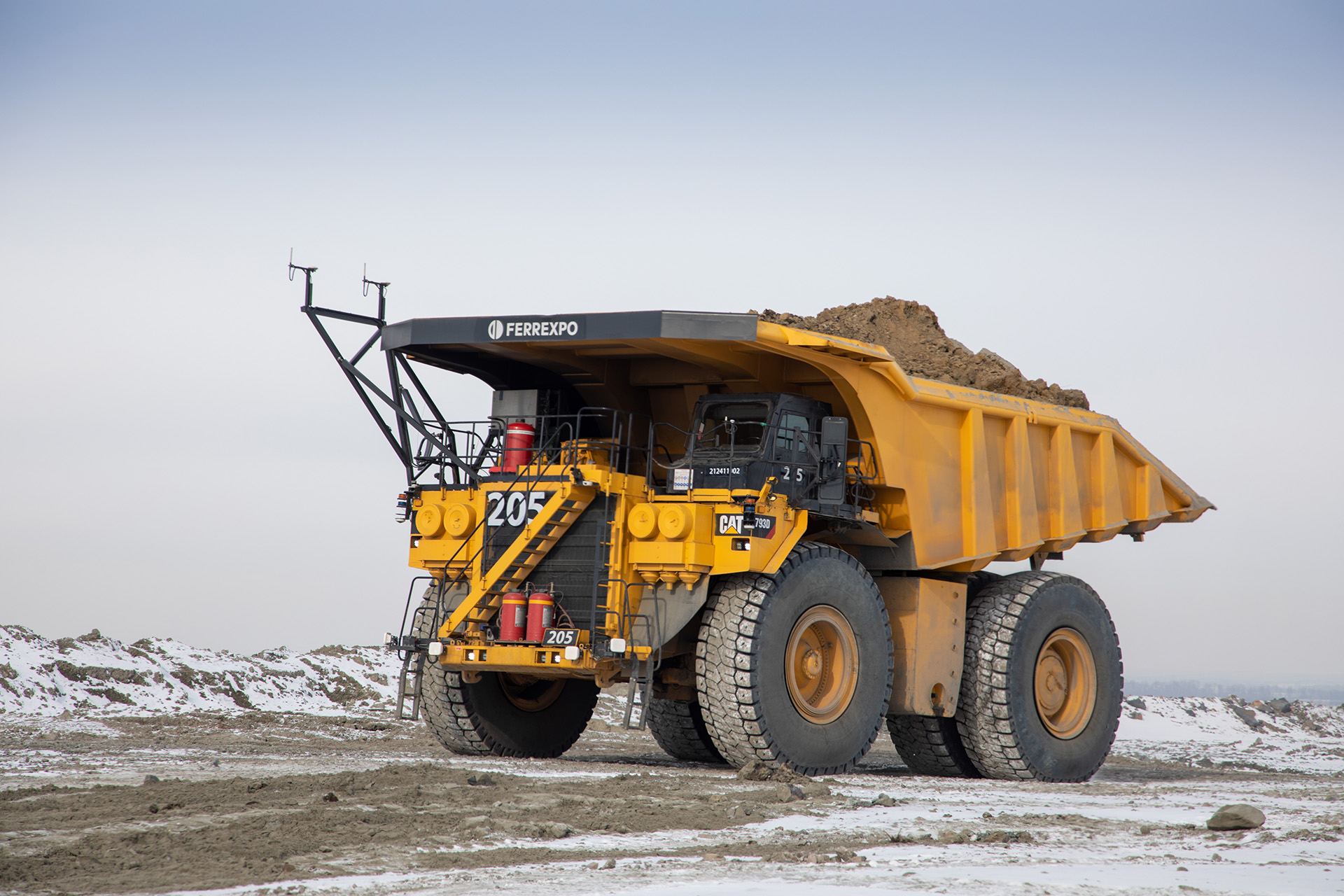
Kodiak Robotics said it is progressing toward driverless trucking operations by the end of 2026, with a new commercial route between Dallas and Houston now running in partnership with Roehl Transport. The Wisconsin-based carrier is deploying Kodiak-equipped tractors on the lane, though the company has not disclosed how many units are in service or whether a safety driver remains onboard during current operations.
"Roehl Transport is built on values, and safety is our cornerstone value," said Rick Roehl, CEO of Roehl Transport. "The Kodiak Driver was built with this same philosophy. Kodiak's safety-first approach was a key factor in our decision to partner with Kodiak."
What the autonomous system addresses
Kodiak said its autonomous system is designed to address safety and efficiency challenges in long-haul trucking, industrial applications, and defense. The company cited Federal Motor Carrier Safety Administration statistics showing more than 85% of truck crashes in the U.S. involve human driver error. The U.S. Department of Transportation estimated 5,472 fatalities in crashes involving heavy-duty trucks in 2023.
The Dallas–Houston corridor represents a high-volume freight lane in Texas, though Kodiak has not released operational data on cycle times, fuel economy, or uptime for the autonomous units compared to conventional driver-operated tractors on the same route.
What remains unclear for fleet adoption
Kodiak has not specified the hardware configuration of the autonomous tractors deployed with Roehl, sensor suite, compute platform, or whether the units require dedicated maintenance protocols beyond standard Class 8 service intervals. The company also has not disclosed the cost delta between a Kodiak-equipped tractor and a conventional sleeper cab, a figure that will determine whether the technology pencils for carriers operating on thin margins.
The timeline to fully driverless operations, no safety driver, no human intervention, by the end of 2026 implies regulatory clearance and liability frameworks that do not yet exist in most states. Texas has allowed testing of autonomous vehicles without a human operator under certain conditions, but commercial freight operations at scale remain untested.
For carriers evaluating autonomous technology, the operational questions are concrete: what happens when a sensor fails 200 miles from the nearest service center, who pays for the tow, and how long does the unit sit before a technician with the right diagnostic tools arrives. Kodiak has not published service-network details or parts-availability commitments.
What this means for small fleets and owner-operators
The Roehl partnership signals that autonomous trucks are moving from closed-loop pilot routes to revenue freight, but the technology remains out of reach for small fleets and owner-operators in the near term. The capital cost, the service infrastructure, and the operational complexity all point to large carriers as the early adopters.
For now, the Dallas–Houston lane is a proof point. Whether Kodiak meets its year-end driverless target, and whether the units prove reliable enough to scale beyond a single corridor, will determine if autonomous trucks become a maintenance line item or remain a press-release technology.