Brent Crude Down to $94.23, Still 35% Above Pre-War Level
International oil benchmark slipped 0.8% Friday but remains $24 per barrel higher than late February, keeping diesel and fuel surcharges elevated for small fleets.


How far has oil fallen from its war peak?
Brent crude closed at $94.23 per barrel Friday, down 0.8% on the day. That marks a continued slide from the spike that followed the war's start in late February, when Brent traded around $70 per barrel. The benchmark is still up $24.23 per barrel, a 35% increase that continues to flow through to diesel prices and fuel surcharges.
The drop offers modest relief but does not reverse the fuel cost pressure small fleets have absorbed since the conflict began. A 10-truck operation burning 1,500 gallons per truck per week still pays roughly $1,800 more per week in fuel than it did in February, even with the recent pullback in crude.
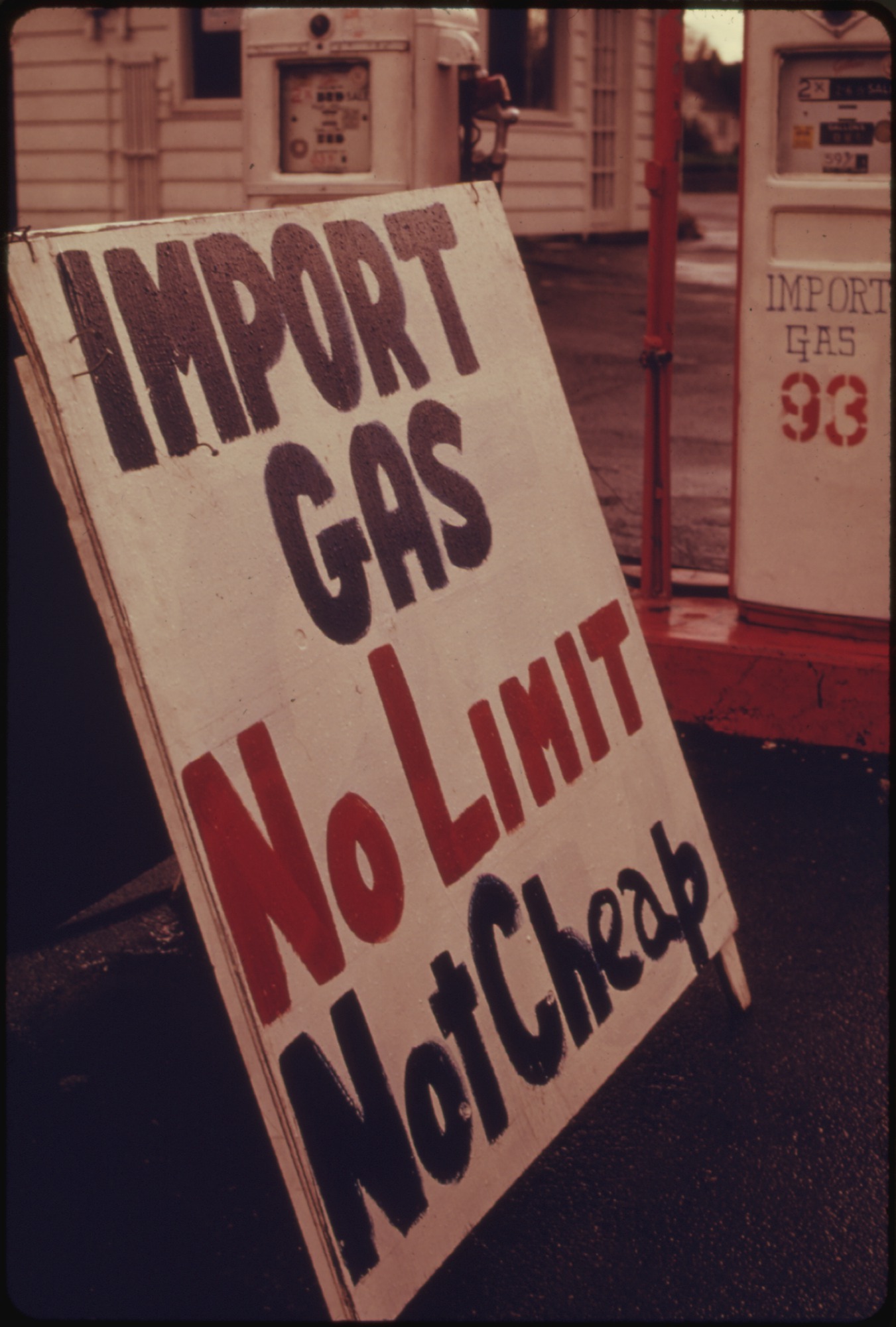
Brent is the international pricing standard for oil. U.S. diesel prices track Brent with a lag of one to three weeks, depending on refinery margins and regional supply. Gasoline hit $4.48 per gallon in early May, up 50% from pre-war levels, and diesel followed a similar trajectory.
The $94 level represents a retreat from the highs seen in March and April, when Brent briefly touched $110 per barrel. That peak coincided with supply disruptions in the Persian Gulf and uncertainty over crude shipments from the region. Since then, increased output from U.S. shale producers and higher exports have eased some of the tightness. U.S. crude and fuel exports jumped 4% in April, contributing to a smaller trade deficit and adding supply to global markets.
For carriers, the question is whether the slide continues or stabilizes. Fuel surcharges adjust with a lag, and many small fleets negotiate FSC tables quarterly or lock them at contract signing. A carrier that locked rates in March is still collecting surcharges pegged to $105 Brent, even as the actual cost has dropped $11. Conversely, a fleet negotiating now faces lower surcharges going forward if crude holds near $94.
The 35% premium over pre-war pricing remains the operational reality. Diesel at the pump has not fallen in proportion to the crude pullback, because refinery margins widened during the spring and have not fully compressed. A barrel of Brent at $94 does not guarantee $3.50 diesel. It suggests $4.20 to $4.40, depending on the region and refinery throughput.
What the $24 spread costs a small fleet
A single power unit averaging 6 miles per gallon and running 2,500 miles per week burns roughly 417 gallons. At a $1 per gallon increase in diesel (a conservative estimate of the war premium), that truck pays $417 more per week, or $1,800 per month. A 10-truck fleet pays $18,000 more per month than it did in February, even with crude off its peak.
Fuel surcharges cover some of that, but not all. The Department of Energy's weekly surcharge table, which many brokers and shippers reference, adjusts based on the national diesel average. That average has lagged the crude pullback by two to three weeks in recent months, meaning carriers eat the gap between the pump price they pay today and the FSC they collect based on last week's or last month's average.
The slide in Brent also affects contract negotiations for the back half of 2026. Shippers who locked annual rates in January and February, when crude was at $70, are now paying FSC premiums they did not budget for. Some are pushing to renegotiate base rates downward to offset the surcharge creep. Carriers who agree to that trade give up margin if crude climbs again in Q3 or Q4.
Oil markets remain sensitive to supply disruptions, OPEC production decisions, and the trajectory of the conflict that triggered the February spike. A $94 Brent price assumes no further escalation and steady output from U.S. and Middle Eastern producers. If either assumption breaks, crude can reverse the slide quickly. Small fleets planning fuel budgets for the next 90 days should model a range of $90 to $105 per barrel, not a single point estimate.