Brent Crude Jumps 3.5% to $104.88 as Iran Talks Collapse
Oil climbs on diplomatic breakdown, diesel costs stay elevated as Hormuz remains shut and crude tops $100 for the eighth straight session.


Why did oil prices jump Monday?
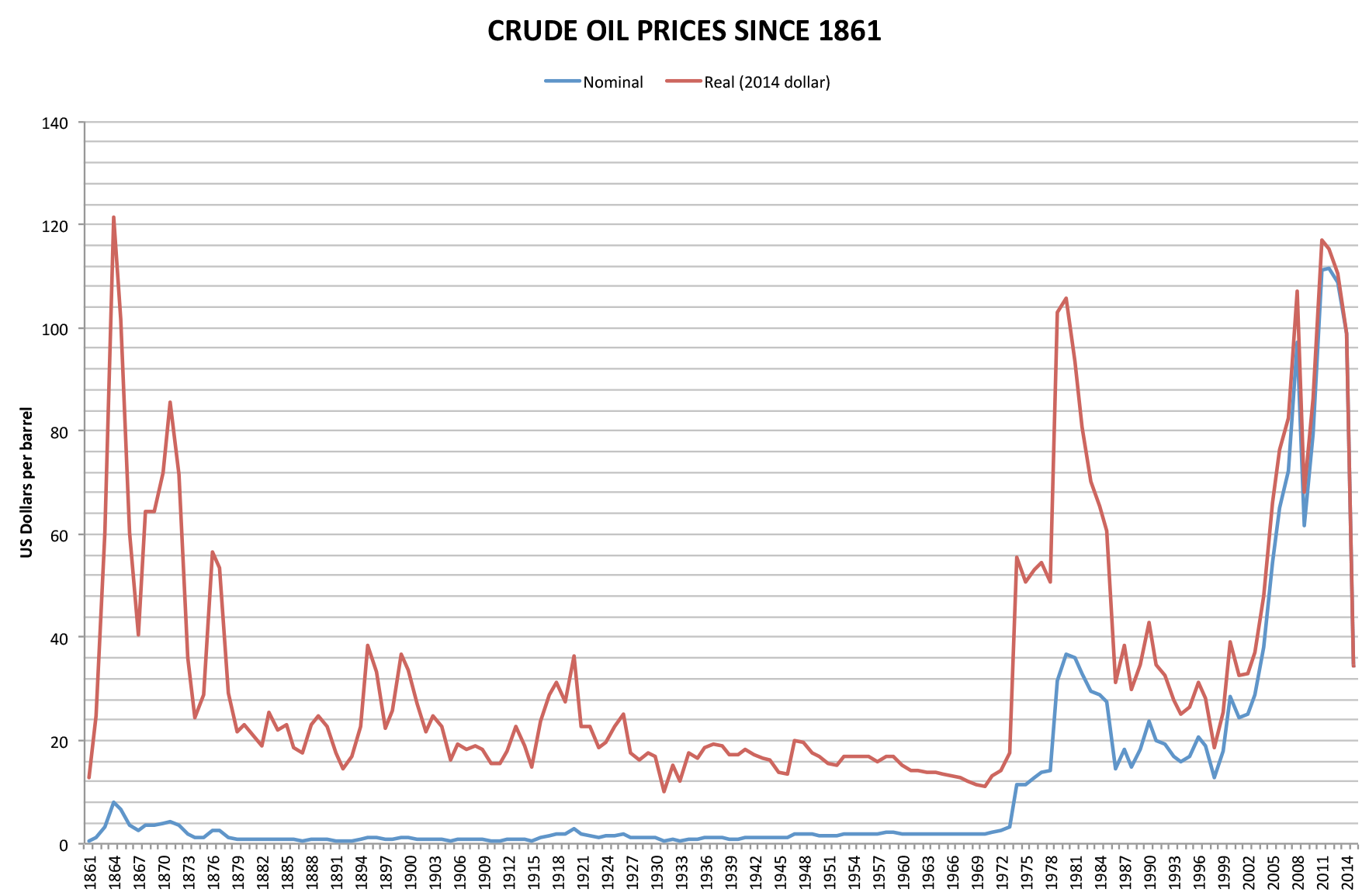
Brent crude rose 3.5% to $104.88 per barrel on May 11 after the White House rejected Iran's latest ceasefire response, extending a diplomatic stalemate that has kept the Strait of Hormuz closed since May 5. The benchmark has now traded above $100 for eight consecutive sessions, the longest streak since the 2022 Ukraine supply shock.
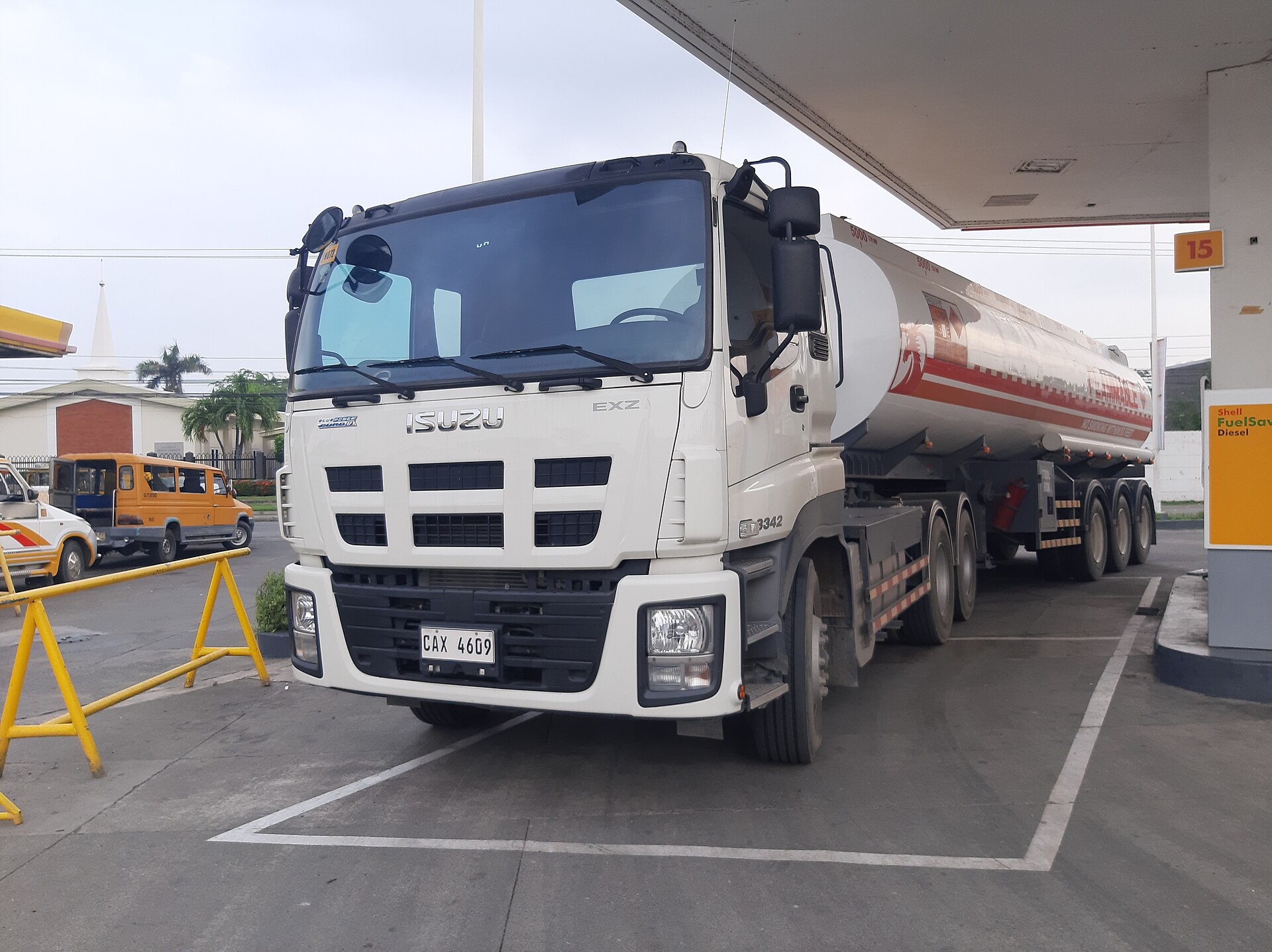
The price move adds roughly $0.12 per gallon to wholesale diesel costs at current crack spreads. Retail diesel held at $4.48 per gallon as of the most recent DOE survey: up $1.32 year-over-year: meaning the crude rally has not yet fully passed through to the pump. Expect that lag to close within 10 days if Brent holds above $105.
For a five-truck fleet running 500 miles per day per truck at 6 mpg, every $0.10 increase in diesel costs an additional $4,167 per month in fuel spend. The $1.32 year-over-year jump already represents a $55,000 annual headwind for that same fleet, before accounting for Monday's crude move.
How long the Hormuz closure lasts determines the fuel bill
No tankers have transited the strait since Iran imposed a new reporting requirement on May 5, halting the 21 million barrels per day that normally flow through the chokepoint. The diplomatic breakdown means no near-term resolution is visible. Crude inventories in the U.S. have dropped for three straight weeks as refiners draw down stocks, tightening the buffer that kept diesel prices from spiking harder in the first week of the closure.
If the strait reopens within two weeks, diesel likely peaks near current levels and begins a slow retreat by June. If the closure extends past Memorial Day, expect retail diesel to test $5.00 per gallon by mid-June as refinery margins widen and inventory cushions evaporate. The 2022 precedent, when diesel hit $5.81: came during a longer supply disruption with similar crude price dynamics.
What small fleets can do while crude stays elevated
Fuel surcharges tied to the DOE index lag by one week, meaning the $4.48 benchmark is what most FSC tables are paying out now. Fleets on older contracts without automatic escalators are eating the full $1.32 increase. Renegotiate FSC terms before crude moves higher: waiting until diesel crosses $5.00 leaves you two weeks behind on recovery.
Shorten your fuel-buying horizon. Topping off tanks when diesel dips $0.05 or $0.06 below the weekly average can claw back $200 to $300 per truck per month in a volatile market. Route planning around cheaper fuel states, avoiding California, Hawaii, and the Northeast corridor when possible, adds another margin point when crude is above $100.
Renewable diesel and biodiesel blends have narrowed their price premium as petroleum diesel climbed. Renewable diesel gained traction in early May when Brent first broke $110; the premium over conventional diesel has since compressed from $0.40 per gallon to $0.22 in some West Coast markets. If your engines can run higher blends and your lanes pass through states with RD infrastructure, the math now favors switching for fleets that dismissed it six months ago.
The bill for a 10-truck fleet if Brent holds at $105
A 10-truck operation running 5,000 miles per day fleet-wide at 6 mpg burns roughly 833 gallons daily. At $4.48 per gallon, that's $3,732 in daily fuel cost, or $111,960 per month. If Monday's crude move pushes retail diesel to $4.60 within 10 days: a $0.12 pass-through at current crack spreads: the same fleet pays $3,832 daily, or $114,960 monthly. The $3,000 monthly increase is $36,000 annualized, enough to zero out the profit on two trucks in a typical small-fleet margin structure.
If the Hormuz closure extends and diesel reaches $5.00 by mid-June, that same 10-truck fleet faces $4,165 in daily fuel cost, or $124,950 monthly, a $13,000 jump from today's rate and a $52,000 swing from the May 2025 baseline when diesel sat at $3.16. That's the operating margin on four trucks erased by fuel alone, before accounting for any rate pressure on the load side.