Hormuz Closure Drains 100M Barrels a Week, Stockpiles Running Low
Saudi Aramco CEO warns storage is being drawn down to cover the shortfall as the strait stays shut.


How much oil is the Hormuz closure taking off the market?
Global markets are losing 100 million barrels of oil each week the Strait of Hormuz remains closed, according to Saudi Aramco CEO Amin Nasser. That shortfall is being met by companies and governments drawing down storage, and those stockpiles are running dangerously low.
The 100-million-barrel weekly figure represents roughly 14 million barrels per day, close to the strait's normal throughput and about 14% of global oil consumption. With no tankers passing through Hormuz since May 5, the supply gap is being filled by inventory drawdowns rather than new production or alternative routes.
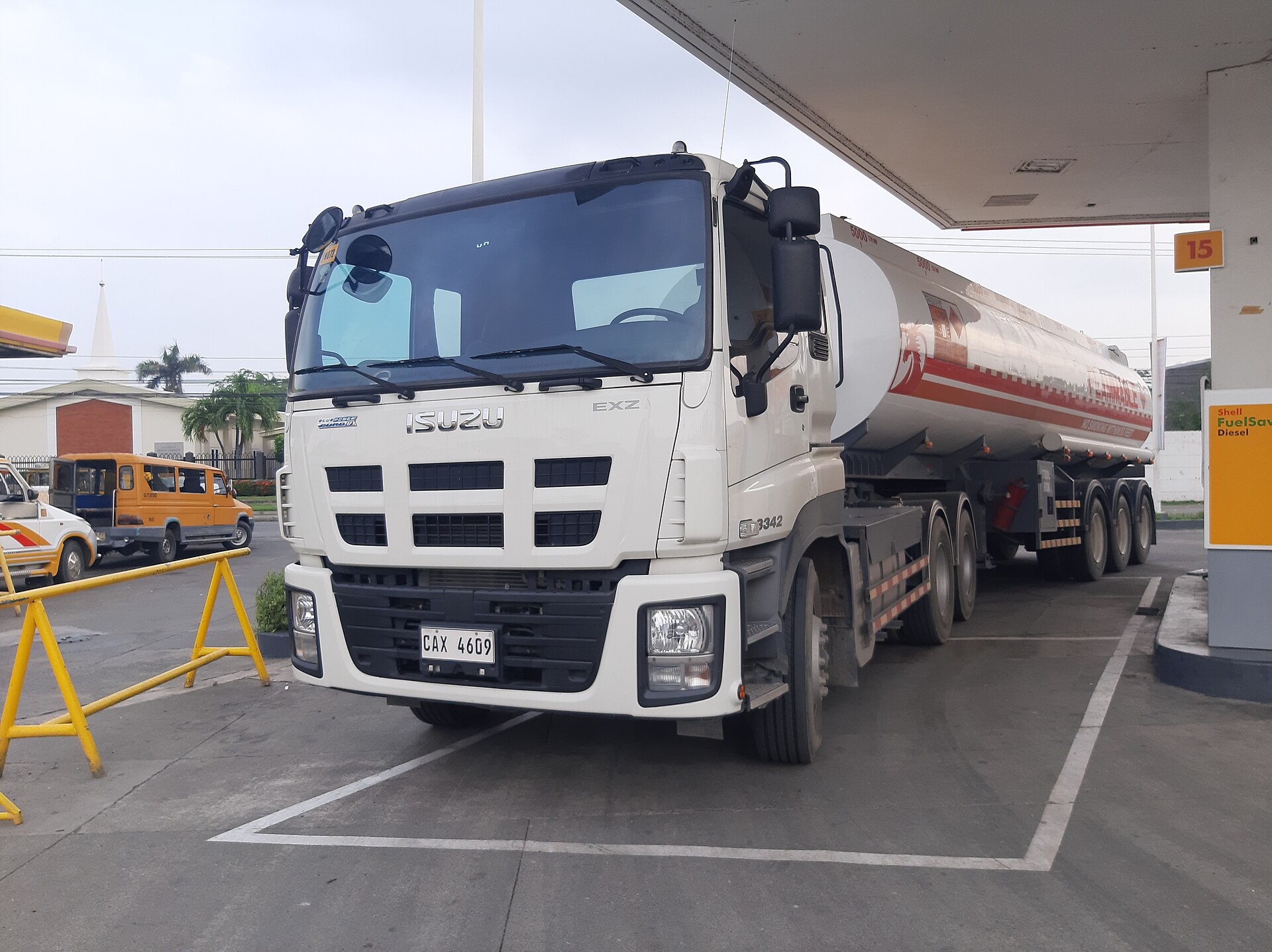
Nasser's warning about storage levels adds urgency to a fuel-cost picture that has already pushed diesel to $4.48 per gallon nationally: up $1.32 year-over-year. For a five-truck fleet running 500 miles per day per truck at 6 mpg, the current diesel price adds roughly $1,100 per day to the fuel bill compared to May 2025.
What happens when storage runs out?
The reliance on stockpiles is a short-term fix. Strategic petroleum reserves and commercial storage were built to cushion temporary disruptions, not to replace a fifth of global supply indefinitely. If the strait remains closed and inventories continue falling, the next phase is rationing or sharper price spikes, neither of which small fleets can absorb without passing costs to shippers or cutting runs.
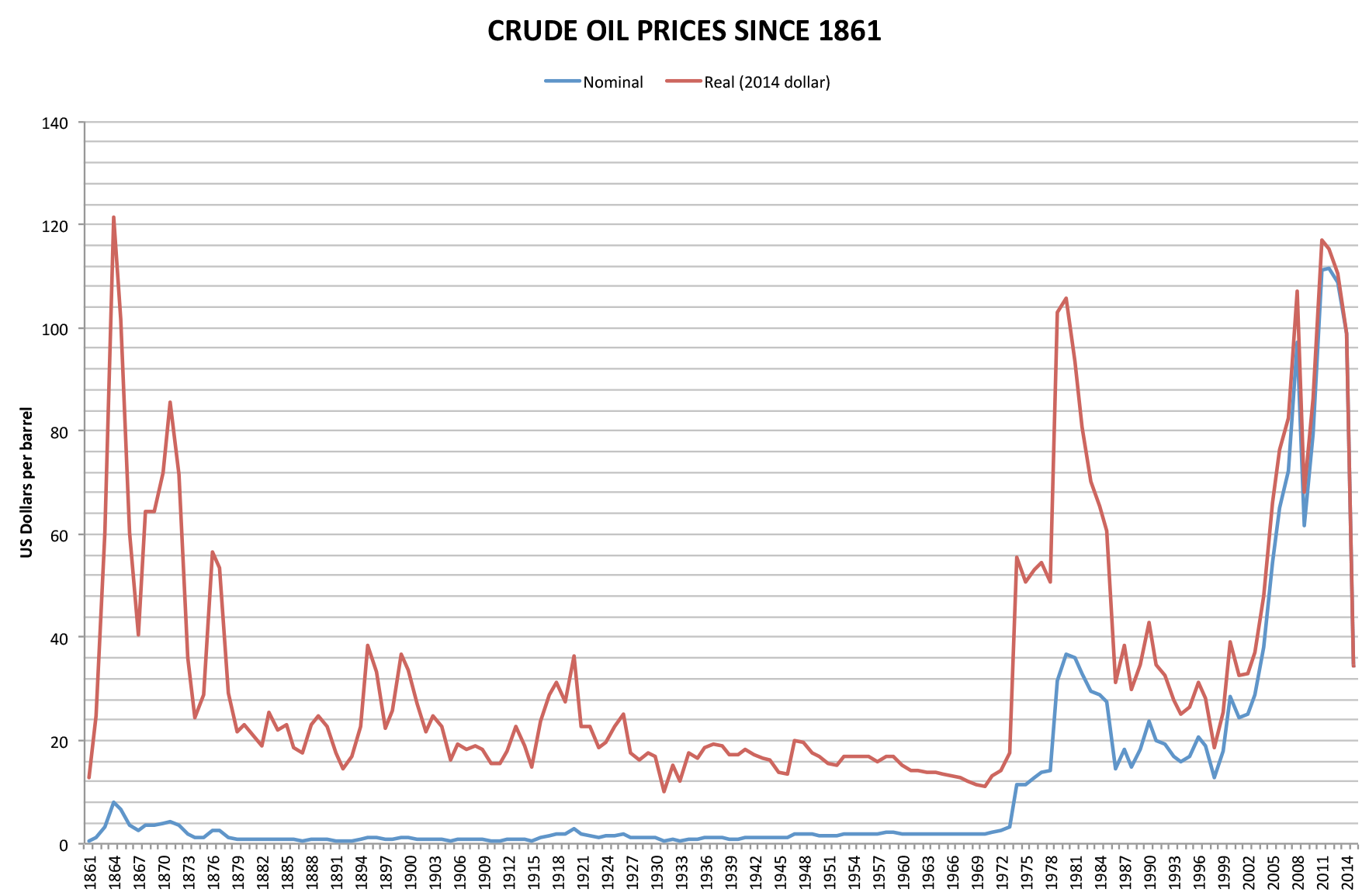
Crude prices have already topped $100 per barrel, and refined products like diesel track crude with a lag. The longer Hormuz stays shut, the tighter the margin between available storage and a supply crisis that forces fuel allocation or rationing at the rack.
The bill for small fleets
A 10-truck operation running 5,000 miles per day collectively, averaging 6 mpg, burns roughly 833 gallons of diesel daily. At $4.48 per gallon, that's $3,731 per day in fuel: $26,117 per week. The same operation paid $2,633 per day for fuel in May 2025 when diesel averaged $3.16. The year-over-year increase is $1,098 per day, or $7,686 per week.
Fuel surcharges tied to the Department of Energy index lag the spot market by a week or more, and not every shipper honors surcharges on short-haul or spot loads. Fleets that locked in contract rates before the closure are eating the difference until the next rate review.
If storage depletion forces diesel above $5 per gallon, a scenario Nasser's comments make plausible, the same 10-truck fleet faces an additional $433 per day in costs, or $3,031 per week, compared to the current $4.48 baseline.
What small fleets can do now
Lock fuel where possible. Fleets with access to bulk purchasing or fuel cards that allow price caps should use them. The gap between today's rack price and next month's is widening, and waiting costs money.
Renegotiate surcharges with shippers who haven't updated fuel clauses since the closure. The DOE's weekly diesel index is public: use it to document the $1.32 year-over-year jump and the week-over-week climb since May 5. Shippers who refuse adjustments are asking carriers to subsidize their freight.
Consider renewable diesel and compressed natural gas if your lanes and equipment support it. RNG and renewable diesel prices have risen with crude, but the spread between conventional diesel and alternatives has narrowed as Brent tops $110. Fleets running dedicated lanes with fueling infrastructure access are seeing payback periods shorten.
How long the drawdown lasts
Nasser did not specify how many weeks of storage remain at current drawdown rates, and no timeline for reopening Hormuz has been announced. Iran's reporting rule that halted transits on May 5 remains in effect, and no tankers have passed through since.
The 100-million-barrel weekly loss is sustainable only as long as global inventories hold. Once storage falls below operational minimums, the level needed to keep refineries and distribution networks running, prices will spike regardless of demand. Small fleets planning beyond the next two weeks should model fuel at $5 per gallon or higher and adjust bids accordingly.