California Heavy-Haul Carrier Magna Transportation Heads to Auction
A secured creditor is selling 37.5% of MagnaTrans LLC on June 30 under UCC foreclosure. What the auction means for the heavy-haul market.


What happens when a heavy-haul carrier goes to auction?
A secured creditor will auction 37.5% of MagnaTrans LLC, the entity behind Magna Transportation Group, on June 30, 2026, at 10:00 a.m. Pacific time. The sale takes place under Article 9 of the Uniform Commercial Code, the foreclosure mechanism lenders use when a borrower defaults on a secured loan. The auction will be held at Sheppard Mullin Richter & Hampton LLP's Los Angeles office, with remote bidding available via Zoom.
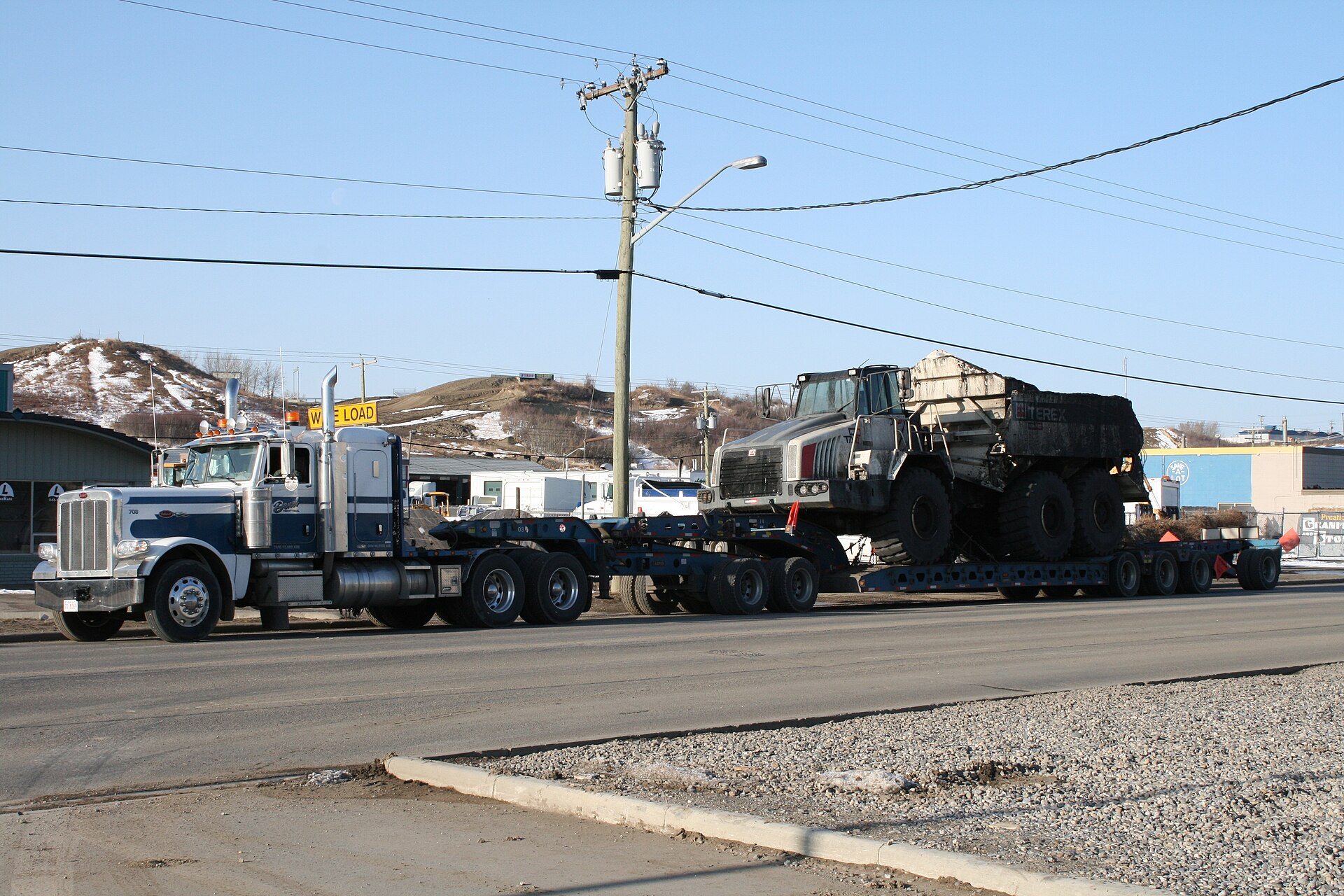
Magna Transportation Group operates out of Oregon, California, and Arizona, specializing in over-dimensional and heavy-haul trucking for bridge and highway construction, industrial and commercial construction, oil and gas, utilities, aerospace, manufacturing, mining and metals, renewable energy, and U.S. Military and Department of Defense work. The company is based in Rancho Cucamonga, California.
Who can bid and what it costs
The secured creditor holding the lien can credit bid, meaning it can apply the debt owed to it as payment rather than bringing cash. All other bidders must pay by cash or cashier's check. Interested buyers must show proof of available funds before bidding and may be required to provide a deposit in advance. The auction may be cancelled, postponed, or continued at any time.
More information on the equity interest is available by contacting Kent Gibson at Axos Bank by email at [email protected]. Interested parties may be asked to sign a confidentiality agreement. In-person and Zoom attendance information is available from Justin Fischer at [email protected].
What a UCC foreclosure auction signals
Article 9 auctions are the lender's last-resort collection tool. They happen when a borrower has defaulted on a loan secured by collateral, in this case the equity interest in the LLC. The secured creditor is not required to disclose the amount owed or the reason for default. The sale is "as is", "where is", "with all faults", with no warranties of any kind. Any sales taxes are the buyer's responsibility.
The auction does not necessarily mean Magna Transportation Group is shutting down. A 37.5% equity interest is a minority stake. The buyer or buyers will own just over one-third of the company, not operational control. The remaining 62.5% stays with the current ownership structure unless other creditors or owners also move to sell.
Why heavy-haul carriers face financing pressure
Heavy-haul and specialized carriers operate with higher capital costs than dry-van or reefer fleets. Over-dimensional loads require permits, pilot cars, route surveys, and equipment built to handle concentrated weight. A single heavy-haul tractor and multi-axle lowboy trailer can run $300,000 to $500,000 new. Cranes, boom trucks, and hydraulic trailers push the number higher. Financing those assets at elevated interest rates, combined with project-based revenue that can be lumpy, leaves specialized carriers vulnerable when a large contract ends or a customer delays payment.
The heavy-haul market has also seen increased competition from national players and regional specialists expanding into new states. California, Oregon, and Arizona are active markets for renewable energy construction, bridge work, and military logistics, but project timelines can stretch or compress with little warning. A carrier that finances equipment for a pipeline or wind-farm buildout may find itself with idle assets if the project stalls.
What this means for small fleets in the heavy-haul lane
If you run specialized equipment or have considered moving into heavy-haul, watch what the auction clears at. A distressed sale of a 37.5% stake in an operating carrier gives you a data point on how lenders and buyers are valuing heavy-haul businesses in mid-2026. If the equity sells for a steep discount to book value, it signals that lenders see elevated risk in the sector. If it draws competitive bidding, it means buyers still see cash flow in the lanes Magna serves.
For owner-operators leased to heavy-haul carriers or running under their own authority in the over-dimensional space, the auction is a reminder that project-based freight requires cash reserves. A 90-day payment cycle on a $50,000 load ties up working capital. If your customer is a general contractor waiting on a public agency, you may wait longer. The math works when the loads keep coming. It breaks when a contract ends and the next one is three months out.
If you are considering launching a carrier in the specialized or heavy-haul space, factor in the financing risk. Lenders price heavy-haul loans higher than dry-van loans because the collateral is harder to liquidate and the revenue is less predictable. A UCC foreclosure auction is what happens when the revenue stops and the loan does not.