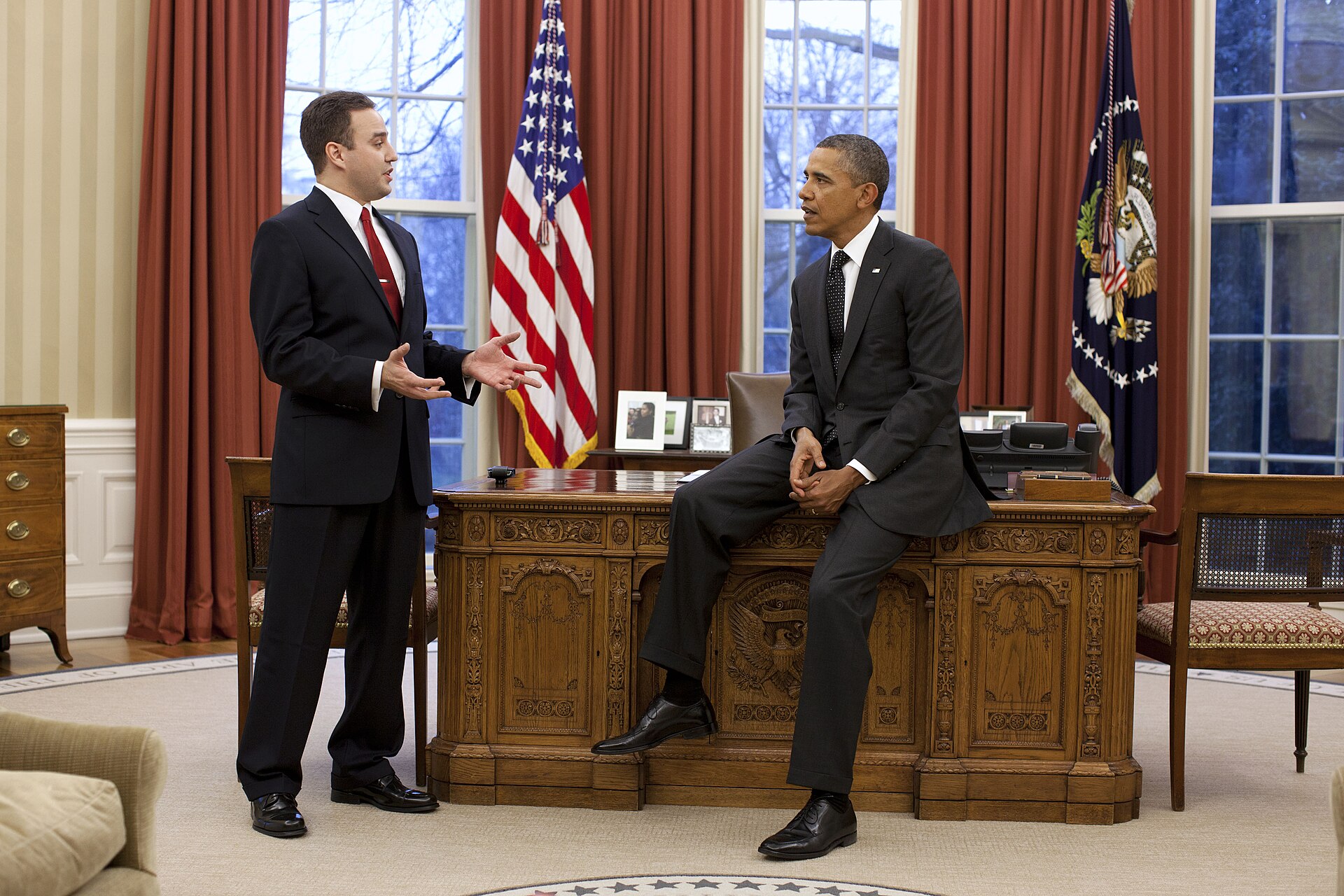
Kevin Knight Steps Down as Knight-Swift Executive Chairman
The co-founder who built Knight Transportation from startup to mega-carrier exits the executive suite after 36 years.


Kevin Knight stepped down as executive chairman of Knight-Swift Transportation Holdings on June 8, 2026. The move closes a 36-year run that began when Knight co-founded Knight Transportation in 1990 and ran through two decades as CEO and twelve years in the chairman's office.
What does Kevin Knight's exit mean for Knight-Swift?
Knight was CEO of Knight Transportation from 1994 to 2014, the period when the Plain City, Utah-based carrier grew from a regional startup into one of the largest truckload operators in North America. He remained executive chairman after stepping back from the CEO role, steering the company through its 2017 merger with Swift Transportation that created the current Knight-Swift entity.
The departure removes the last founder from active executive leadership at a carrier that now runs more than 18,000 tractors and reported $7.1 billion in revenue for 2025. Knight-Swift has not announced a replacement for the executive chairman role or detailed whether the position will continue.
Knight Transportation's growth under founder leadership
Knight Transportation was founded in 1990 by four partners, including Kevin Knight. The carrier went public in 1994, the same year Knight took over as CEO. Under his leadership, Knight Transportation expanded from a western regional carrier into a national truckload operation, adding dedicated contract fleets and building one of the industry's lowest driver turnover rates.
The 2017 merger with Swift Transportation, then the largest truckload carrier in the country, created a combined fleet that immediately became the dominant player in dry van and refrigerated truckload. Knight remained executive chairman through the integration and the subsequent acquisitions that added less-than-truckload and logistics capacity to the Knight-Swift portfolio.
What changes for small fleets when a founder exits
Founder exits at large carriers typically signal a shift from entrepreneurial decision-making to institutional management. For small fleets and owner-operators, the practical effect shows up in how the mega-carrier competes for freight. Knight Transportation built its reputation on consistent service and driver retention, which kept its cost per mile lower than competitors who churned through drivers. If that operational discipline weakens under new leadership, contract shippers may redirect freight to mid-sized carriers with tighter driver networks.
The timing also matters. Knight's exit comes during a freight market where seven carriers filed bankruptcy in one week despite freight volumes up 43%, a sign that volume alone does not cover rising insurance, fuel, and equipment costs. Large carriers with deep balance sheets can wait out rate compression. Small fleets cannot. If Knight-Swift uses its scale to underbid on contract lanes while spot rates stay soft, the rate floor drops further for everyone.
Knight-Swift has not announced whether the executive chairman role will be filled or folded into the existing C-suite structure. The company's next earnings call, scheduled for late July, will likely address leadership changes and strategic direction under the post-founder executive team.