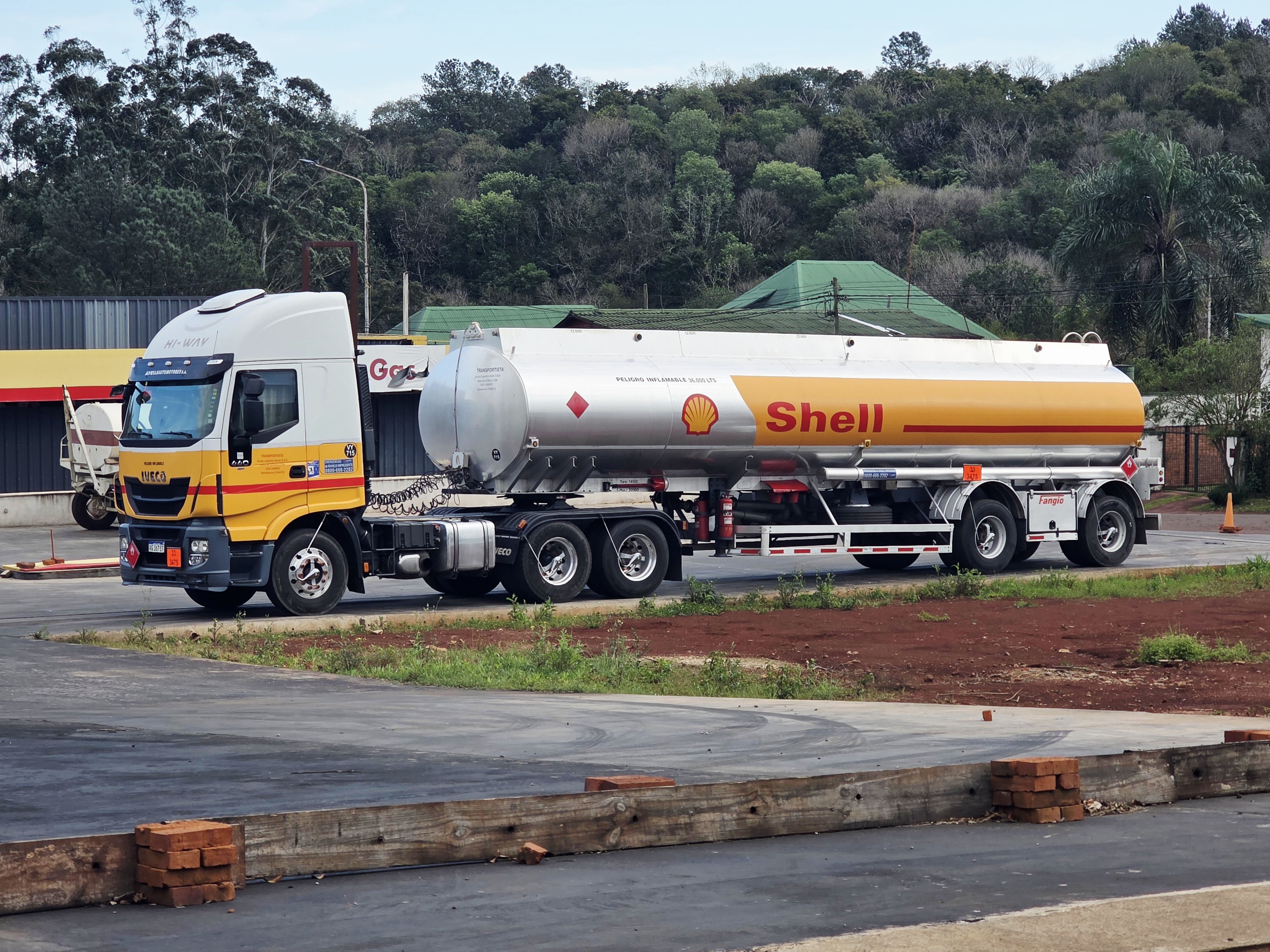
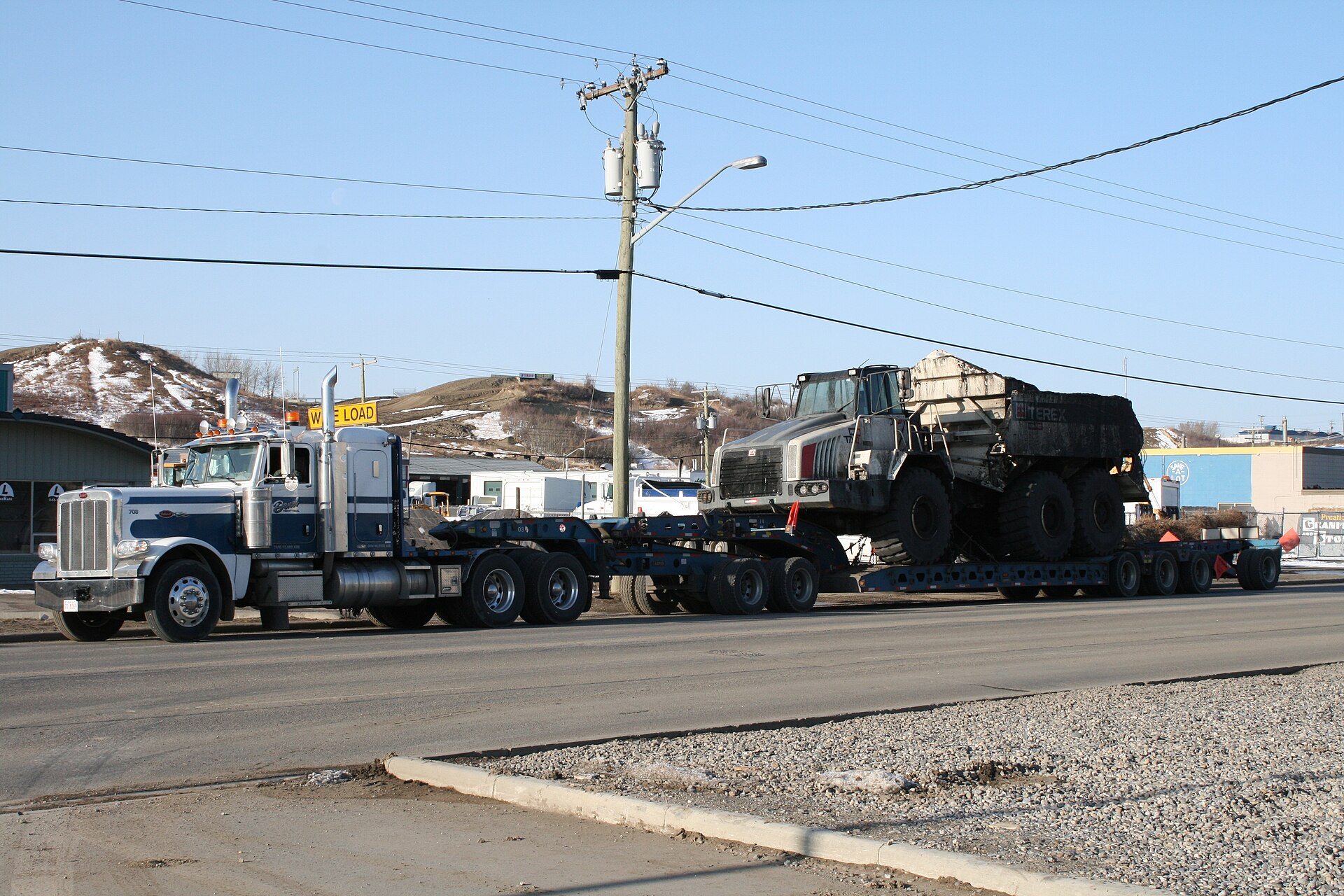
Diesel Could Hit $7 to $9 a Gallon by November, Strategist Warns
Jeff Currie sees 'extremely high' risk of $5 retail gas and diesel as high as $9/gallon if crude keeps climbing.

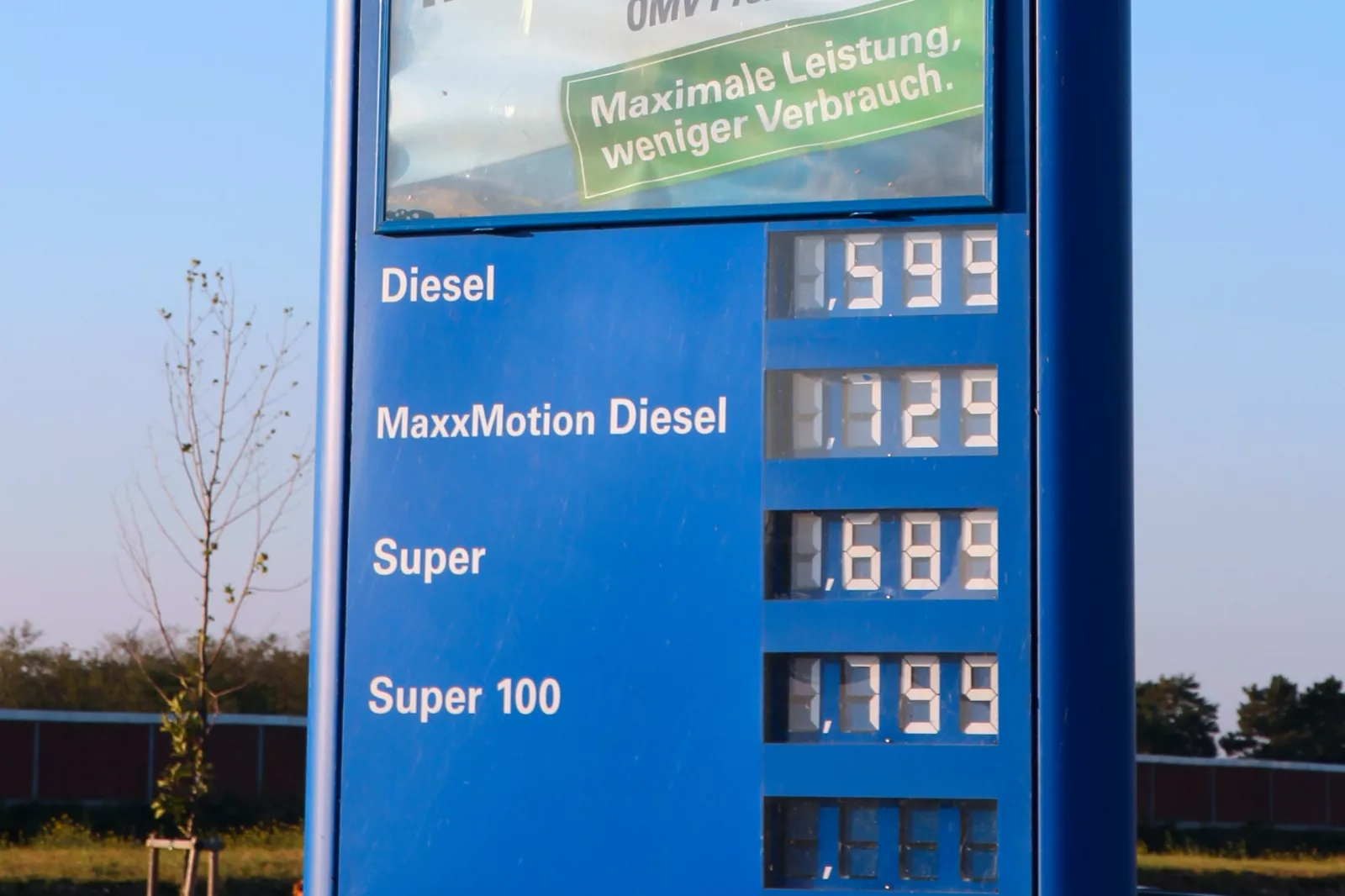
How high could diesel prices go this fall?
Diesel could reach $7 to $9 a gallon by November if oil prices continue their current trajectory, according to veteran commodities strategist Jeff Currie. Currie also sees an "extremely high" risk of retail gasoline hitting $5 a gallon by the same timeframe.
The warning comes as Brent crude hit $105.26/barrel after an 8.5% two-day rally earlier this week, driven by escalating Middle East conflict. Crude has climbed from $87.32 in late August to over $100 in less than two weeks.
For a 10-truck fleet running 1,000 miles per week per truck at 6 mpg, the difference between today's retail diesel average of roughly $4.20/gallon and a $7 scenario is $4,667 per week in additional fuel cost. At $9/gallon, that same fleet pays an extra $8,000 weekly compared to current prices.
What's driving the forecast
Currie's projection hinges on sustained crude prices above $100/barrel. Brent has topped that mark for the first time since July, and diesel futures already hit $4.68/gallon on September 2, the highest since the Iran war began. Retail prices typically lag futures by two to three weeks, meaning the September futures spike has not yet fully shown up at the pump.
Every dollar increase in crude adds roughly 2.4 cents to a gallon of diesel. If Brent holds near $105 and climbs further on supply disruptions, the math supports Currie's range. Diesel refining margins have also widened as global distillate inventories remain tight, particularly in Europe and the U.S. Northeast.
The November timeline
Currie's November target aligns with two seasonal factors. Heating oil demand picks up in October and November as Northeast temperatures drop, tightening diesel supply since the two fuels share refining capacity. Winter-grade diesel also costs more to produce due to cold-weather additives.
The Iran conflict, now in its sixth month, shows no signs of resolution. Any disruption to Strait of Hormuz flows, which carry roughly 20% of global oil supply, would push crude and diesel sharply higher. The Trump administration's Venezuela oil deal announced September 1 has not yet delivered volume to offset Middle East risk.
What small fleets can do
Fuel surcharges tied to the Department of Energy's weekly retail diesel average will lag the actual pump price by a week, leaving owner-operators and small fleets exposed during rapid climbs. Fleets without surcharge agreements or with outdated FSC tables will eat the full increase.
Locking in fuel at current prices through fleet cards with price-cap programs or forward purchasing agreements can limit exposure, but those tools require upfront capital or credit lines most small fleets lack. The practical hedge for a 5-truck operation is route selection: shorter hauls with quicker turns reduce fuel burn per load, and regional work cuts deadhead miles compared to long-haul lanes.
If Currie's forecast holds, November will test whether contract rates adjust quickly enough to cover the fuel spike. Spot rates have historically lagged diesel price surges by four to six weeks, meaning carriers chasing load boards in late fall could face the worst margin squeeze of the year.