Diesel Spike Cuts Natural Gas Truck Payback to Under 3 Years
Energy Vision report says RNG trucks now pencil faster for fleets replacing pre-2013 diesels, but fueling infrastructure remains the gate.


How much faster do natural gas trucks pay back now that diesel is expensive?
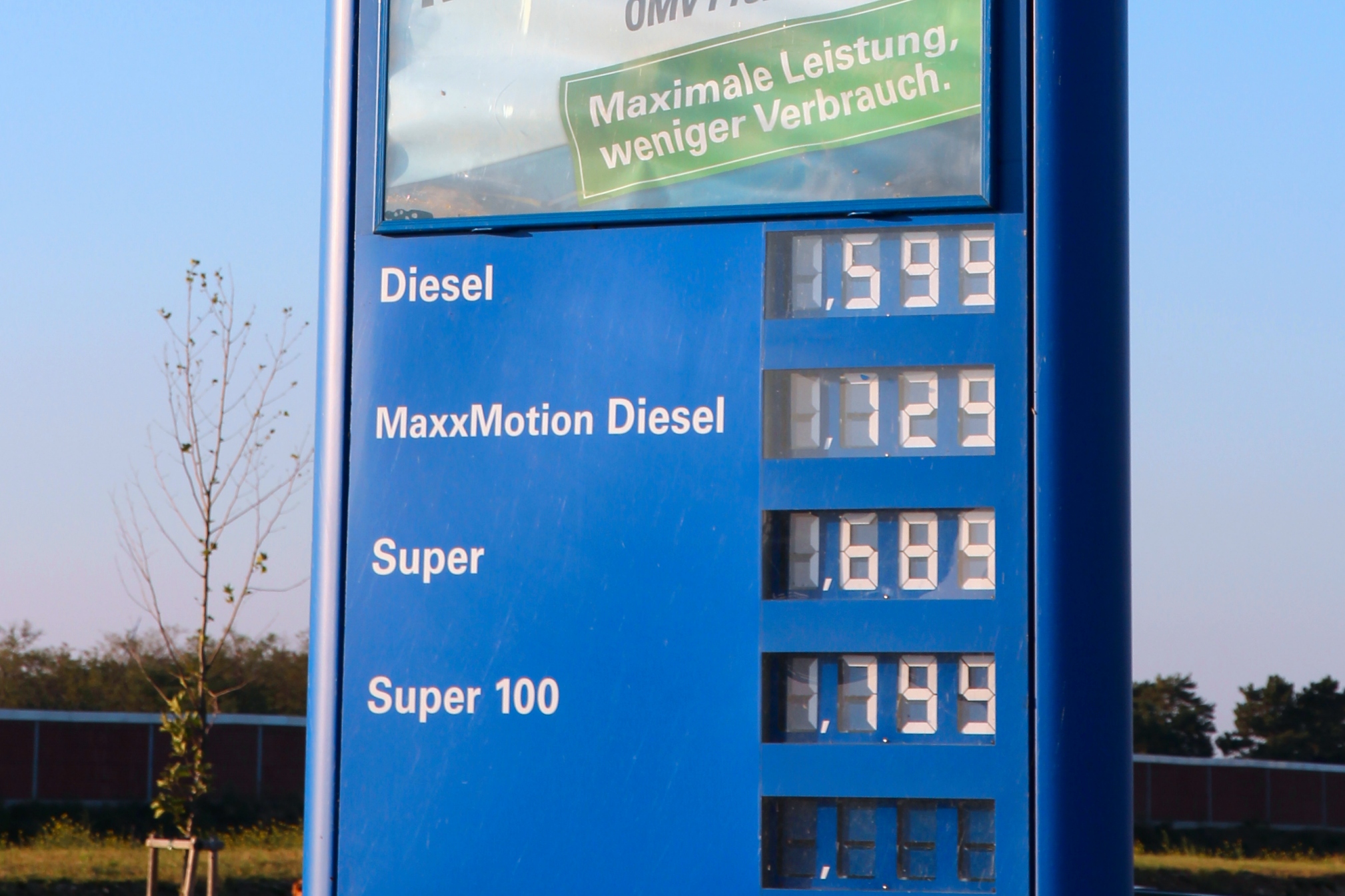
Renewable natural gas (RNG) trucks now deliver payback in under three years for fleets replacing older diesel equipment, according to a September 2026 report from Energy Vision. The shortened timeline reflects diesel's sustained price spike, which widened the per-gallon spread between diesel and RNG. The report focused on roughly 130,000 heavy-duty diesel trucks built before 2013 and still operating in 31 populous U.S. counties.
Energy Vision estimated that swapping those pre-2013 diesels for RNG-powered models could prevent 1,560 to 2,205 premature deaths over 15 years, citing tailpipe-emission reductions in densely populated areas. The health benefit assumes fleets retire older engines that lack modern emissions controls and operate in urban corridors where particulate matter and NOx concentrations are highest.
What's the catch for small fleets?
Payback speed depends entirely on access to RNG fueling stations. Energy Vision noted that whether public CNG or RNG stations are useful to a fleet "will depend heavily on where its trucks operate." Fleets running lanes without station coverage face the cost of installing private fueling infrastructure, which can run into six figures for a single-site compressor and storage setup. That upfront capital requirement puts RNG out of reach for many owner-operators and small fleets unless they can share infrastructure or fuel at a third-party site.
The report compared RNG to two other diesel alternatives: renewable diesel and battery-electric trucks. Renewable diesel carries the lowest upfront cost because fleets can burn it in conventional diesel engines without modification. Energy Vision estimated, however, that renewable diesel delivers fewer public-health benefits than RNG or battery-electric trucks, likely because it still produces tailpipe emissions even if lifecycle carbon is lower.
Where does electric fit?
Battery-electric trucks produce no tailpipe emissions, but Energy Vision pointed to higher vehicle prices, charging-infrastructure costs, utility interconnection delays, and limited model availability as barriers to widespread adoption. Citing Calstart data, the report said 2,895 heavy-duty electric trucks, including 386 refuse trucks, had been deployed in the United States as of December 2025. That compares with an estimated 5.2 million Class 7 and 8 trucks operating nationwide, putting electric penetration at roughly 0.06 percent of the heavy-duty fleet.
The interconnection-delay problem hits fleets hardest when they need to install depot charging for multiple trucks. Utility upgrades to deliver the necessary power can take 18 months or longer in some markets, pushing the effective payback window well past what RNG or renewable diesel require. For fleets replacing a handful of pre-2013 diesels, RNG fuel cost has locked below diesel in recent quarters, making the natural-gas option more predictable than waiting on grid capacity.
Why pre-2013 trucks matter
The Energy Vision report zeroed in on pre-2013 diesels because those engines predate the 2010 EPA emissions standards that required selective catalytic reduction (SCR) and diesel particulate filters (DPF). Trucks built before those rules produce significantly higher NOx and particulate emissions per mile, especially in stop-and-go urban duty cycles. Fleets running older equipment in California, the Northeast corridor, or other regions with air-quality nonattainment designations face the highest regulatory and insurance pressure to retire those units.
For a small fleet operating five to ten pre-2013 trucks in a metro area with RNG station access, the sub-three-year payback makes replacement math straightforward if diesel stays above $4 per gallon. For fleets outside station corridors or running long-haul routes where RNG infrastructure is sparse, the calculus flips: the cost of private fueling infrastructure or the operational constraint of routing around stations erases the fuel-cost advantage.
What this means for a 10-truck fleet
If you run ten pre-2013 diesels in a region with public RNG stations and diesel holds at current prices, swapping to natural gas delivers payback in under three years on the incremental truck cost. That assumes you can fuel at existing stations without building your own. If your lanes don't overlap with station networks, add $150,000 to $300,000 for a private compressor and storage setup, which pushes payback past five years unless you're burning enough fuel to justify the fixed cost. Electric remains a longer bet: lower fuel cost per mile, but higher upfront truck cost, charging infrastructure expense, and utility timelines that can stretch past two years in congested markets. For fleets replacing older diesels in urban lanes, RNG is the fastest path to lower operating cost and cleaner air if the fuel is within reach.