Eight Charged in $4.49M Carrier-Impersonation Scheme Spanning Three States
Manhattan prosecutors allege group stole lamb, cheese, beef, copper, and cigarettes by showing up at warehouses with legitimate carriers' MC numbers and DOT numbers on their trucks.


How did the alleged carrier-impersonation scheme work in New York?
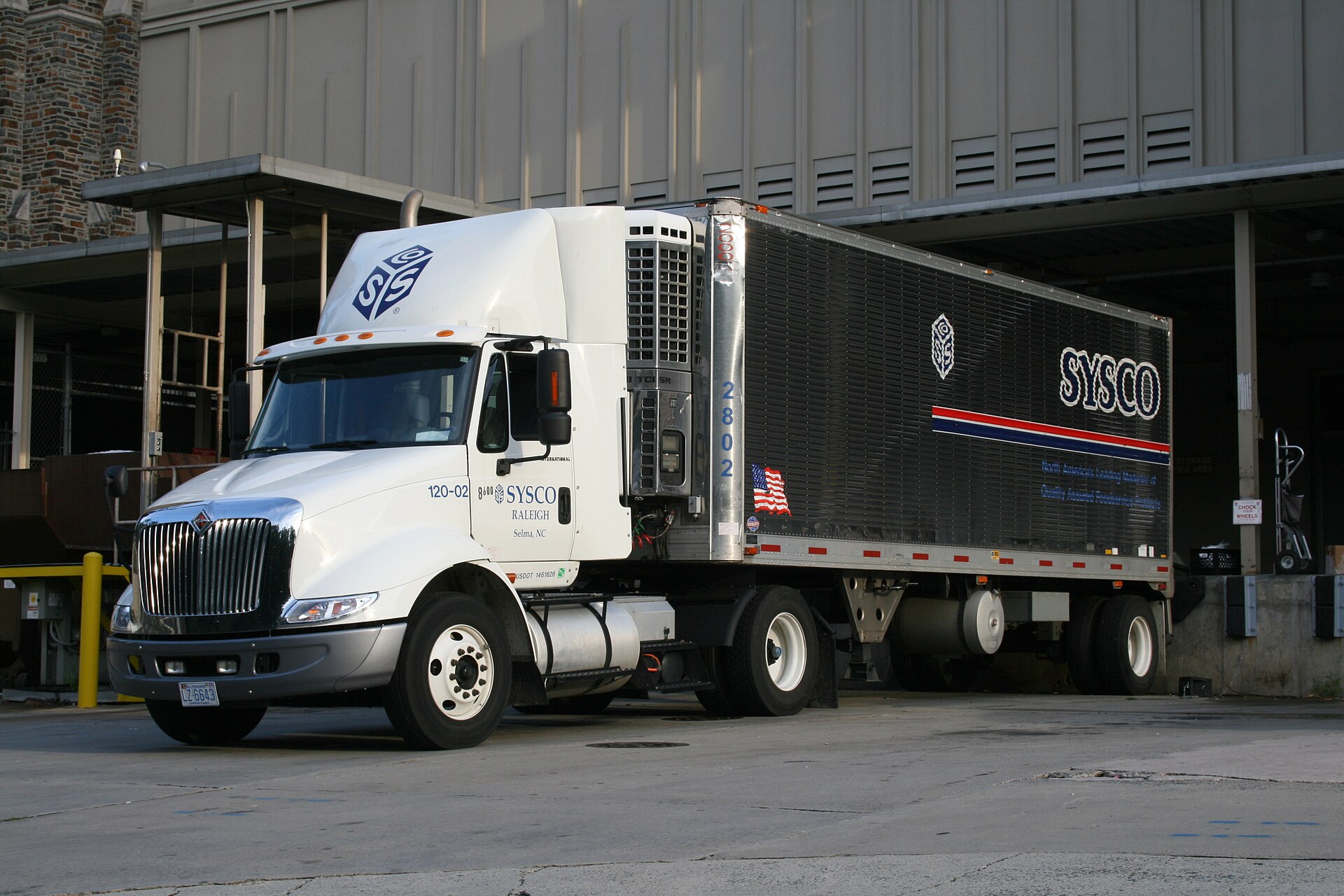
Eight individuals face charges in New York in connection with what prosecutors allege was a cargo theft operation that stole $4.49 million worth of freight by impersonating legitimate trucking carriers. According to the Manhattan District Attorney's Office, the group allegedly obtained shipment information tied to real motor carriers, displayed those carriers' MC numbers and DOT numbers on tractor-trailers, and presented themselves as legitimate transportation providers when arriving at pickup locations in New Jersey, Pennsylvania, and Virginia between October 2025 and April 2026.
The defendants named in the indictment are Murodullo Khasanov, Nodir Kobilov, Shavkatbek Mamadjanov, Rakhmiddin Abdullaev, Aleksey Vorobyev, Nizom Ismoilov, Doston Mardoev, and Dilshod Nabiev. Each is charged with one count of conspiracy in the fourth degree and varying counts of grand larceny. All eight are presumed innocent unless proven guilty in court.
Prosecutors allege the group targeted six shipments over the seven-month period. The stolen cargo included approximately $165,000 in frozen lamb in November 2025, $432,000 in cheese in December 2025, $295,000 in frozen beef in December 2025, $266,000 in copper in February 2026, $709,000 in cigarettes in March 2026, and $2.6 million in cigarettes in a second March 2026 incident.
The mechanics: encrypted messaging and secondary vehicles
According to the Statement of Facts filed in New York County Supreme Court under case number IND-71638-26, prosecutors allege participants distributed shipment details, pickup information, and carrier identities among themselves through encrypted messaging applications, including WhatsApp and Telegram. After taking possession of cargo at logistics facilities, prosecutors allege the defendants transported the freight to New York City, transferred it to secondary vehicles, stored it, and sold or otherwise disposed of it.
The indictment identifies legitimate trucking carriers whose names and registration information prosecutors allege were used without authorization during the scheme. Those carriers are identified as victims of the alleged conduct. The indictment does not suggest that any legitimate carrier, its employees, or its customers participated in, authorized, or bear responsibility for the alleged conduct.
What red flags did shippers and brokers miss?
Prosecutors allege manufacturers and shippers contracted freight brokers to arrange transportation of cargo through online load-matching platforms. The alleged scheme exploited a gap in pickup verification: the defendants allegedly arrived at warehouses with the correct carrier name, MC number, and DOT number displayed on their equipment, and warehouse staff released the freight.
The pattern mirrors deceptive pickup fraud that jumped 31% in Q1 2026 as cargo thieves used fake carrier IDs and forged credentials to steal loads. In that broader trend, criminals obtained legitimate carrier information through data breaches, phishing, or public FMCSA records, then used it to impersonate carriers at pickup points.
The alleged use of encrypted messaging apps to coordinate pickups and distribute shipment details suggests a level of organization beyond opportunistic theft. Prosecutors allege the group operated across multiple states and targeted high-value commodities, including two cigarette loads worth a combined $3.3 million in March 2026 alone.
What verification should brokers and shippers run before releasing freight?
The alleged scheme highlights the vulnerability of pickup-point verification when warehouse staff rely solely on displayed MC numbers and DOT numbers without real-time carrier confirmation. Brokers and shippers can reduce exposure by requiring pickup drivers to present photo identification that matches the carrier's authorized driver list, calling the carrier's verified phone number (not a number provided by the driver) to confirm the driver's identity and the pickup appointment, and using geofencing or GPS tracking to verify the truck's location matches the carrier's expected route.
Some brokers now require drivers to photograph their commercial driver's license and the truck's VIN plate at pickup and send both images to the broker before warehouse staff release the load. That step creates a verifiable chain of custody and makes impersonation harder when the real carrier's equipment is elsewhere.
Carriers whose MC numbers and DOT numbers are stolen in impersonation schemes often learn about the theft only after the shipper or broker files a claim. By that point, the cargo is gone and the carrier's reputation is damaged. Carriers should monitor their MC number for unauthorized use by setting up alerts through load boards and checking their SAFER profile regularly for unexpected activity.
The investigation and charges
The Manhattan District Attorney's Office announced the indictment on June 3, 2026, following an investigation involving multiple law enforcement agencies. The case is filed in New York County Supreme Court under case number IND-71638-26. Prosecutors allege the activity spanned multiple states and involved shipments moving through logistics facilities in New Jersey, Pennsylvania, and Virginia.
FreightWaves contacted counsel for three of the eight defendants on June 4, 2026, seeking comment regarding the allegations described in the indictment. No response was received before publication. FreightWaves was unable to independently identify counsel for the remaining five defendants despite reviewing court records and contacting the New York County Supreme Court Criminal Term Clerk's Office and the Manhattan District Attorney's Office.
The underlying allegations have not been proven in court. The charges described are allegations made by prosecutors, and all eight defendants are presumed innocent unless proven guilty.
Three checks to add before releasing the next high-value load
Brokers and shippers handling high-value freight should verify the driver's identity through a phone call to the carrier's verified number before warehouse staff release the load. Require the driver to photograph their CDL and the truck's VIN plate at pickup and send both images to the broker or shipper. Use GPS tracking or geofencing to confirm the truck's location matches the carrier's expected route within the first hour after pickup. These steps won't stop every impersonation attempt, but they make it harder for criminals to walk away with $2.6 million in cigarettes using nothing but a stolen MC number.