Hino LE Series Debuts With Accelera e-Axle, 260 kW Peak Power
Hino's new Class 6/7 battery-electric truck uses Accelera's 14Xe Gen 4.5 integrated e-axle with a two-speed automatic transmission. Horizon Motor showed a 450-mile Class 8 BEV.


What power and range does the new Hino LE Series deliver?
Hino introduced its all-new LE Series battery-electric Class 6/7 truck at ACT Expo in early May 2026. The LE Series is powered by Accelera's Integrated e-Axle 14Xe Gen 4.5, which delivers 260 kW (348 hp) of peak power and 180 kW (241 hp) continuous power through an integrated two-speed automatic transmission and axle.
The two-speed transmission is the operational detail that matters for urban delivery work. Single-speed e-axles sacrifice either low-end torque for highway cruising or top speed for city stop-and-go. A two-speed unit lets the LE Series pull away from a stop with full torque in first gear, then shift to second for sustained highway speed without overworking the motor. That should translate to better real-world efficiency in mixed-route applications compared to single-speed competitors.
Accelera is Cummins' electrification business unit. The 14Xe Gen 4.5 designation indicates this is a fourth-generation-plus iteration of the 14,000-lb-rated e-axle platform. Hino has not yet released battery capacity in kWh, estimated range, or charge time for the LE Series. Without those figures, fleet managers cannot calculate cost per mile or compare the LE Series to existing Class 6/7 BEVs from Freightliner, International, or Peterbilt.
What else launched at ACT Expo 2026?
Horizon Motor displayed its Class 8 HM8 BEV on the show floor. The company's website lists a preliminary range of 450 miles, a top speed above 74 mph, and 30% gradeability. The HM8 is available for pre-order, but Horizon has not disclosed battery size, charge time, or pricing. A 450-mile range claim puts the HM8 in the same category as the Freightliner eCascadia and Volvo VNR Electric, both of which use battery packs in the 450-550 kWh range. Without knowing the HM8's pack size, it is impossible to assess whether the range claim is conservative or optimistic.
Cummins showed its latest fuel-efficient X15 diesel engine at the ride-and-drive. The X15 is Cummins' 15-liter heavy-duty diesel, currently in its third generation. Cummins has not announced whether this is a 2027-compliant version meeting the EPA's new NOx standard or a final run of 2026-spec engines ahead of the rule change. The distinction matters for fleets deciding whether to prebuy 2026 inventory or wait for 2027 models.
Mack displayed a 2027-spec MP13 engine installed in a Mack Granite at the show. The MP13 is Mack's 13-liter engine, built by Volvo Group and shared across Mack and Volvo Trucks North America platforms. Like the Cummins X15, the presence of a 2027 engine at ACT Expo suggests OEMs are finalizing hardware for the new NOx rule, but neither Mack nor Cummins has released service-interval changes, aftertreatment component costs, or warranty terms for the 2027 engines.
What did Westport and Volvo show for natural gas?
Westport and Volvo displayed a 500-hp natural-gas-powered truck with what Westport describes as diesel-like efficiency. Westport also claims the platform offers a better pathway to using hydrogen fuel in trucks. The company has not specified whether this is a spark-ignited natural gas engine or a high-pressure direct-injection system, nor whether the hydrogen pathway involves blending hydrogen with natural gas or a future fuel-cell configuration.
Natural gas engines typically sacrifice 10-15% fuel efficiency compared to diesel due to lower energy density and combustion characteristics. If Westport has closed that gap, the operational benefit is lower fuel cost per mile in regions where natural gas is cheaper than diesel. The hydrogen claim is harder to evaluate without technical details. Hydrogen combustion engines and hydrogen fuel cells are separate technologies with different infrastructure requirements and TCO profiles.
What was the overall focus at ACT Expo 2026?
ACT Expo remains the primary trade show for battery-electric and alternative-fuel commercial vehicles. The 2026 event featured outdoor ride-and-drives with light-duty through Class 8 trucks, indoor exhibits of EV charging systems, and mainstage panels including Peter Voorhoeve, president of Volvo Trucks North America.
Tesla displayed a short-range variant of its Semi on the show floor, with particular interest in the e-PTO and refrigerated trailer with eTRU (electric transport refrigeration unit). Tesla has not released pricing or availability for the short-range Semi, nor has it disclosed battery capacity or charge time for the variant. The e-PTO is the first public confirmation that Tesla is addressing auxiliary power for trailers, a requirement for refrigerated and liftgate applications.
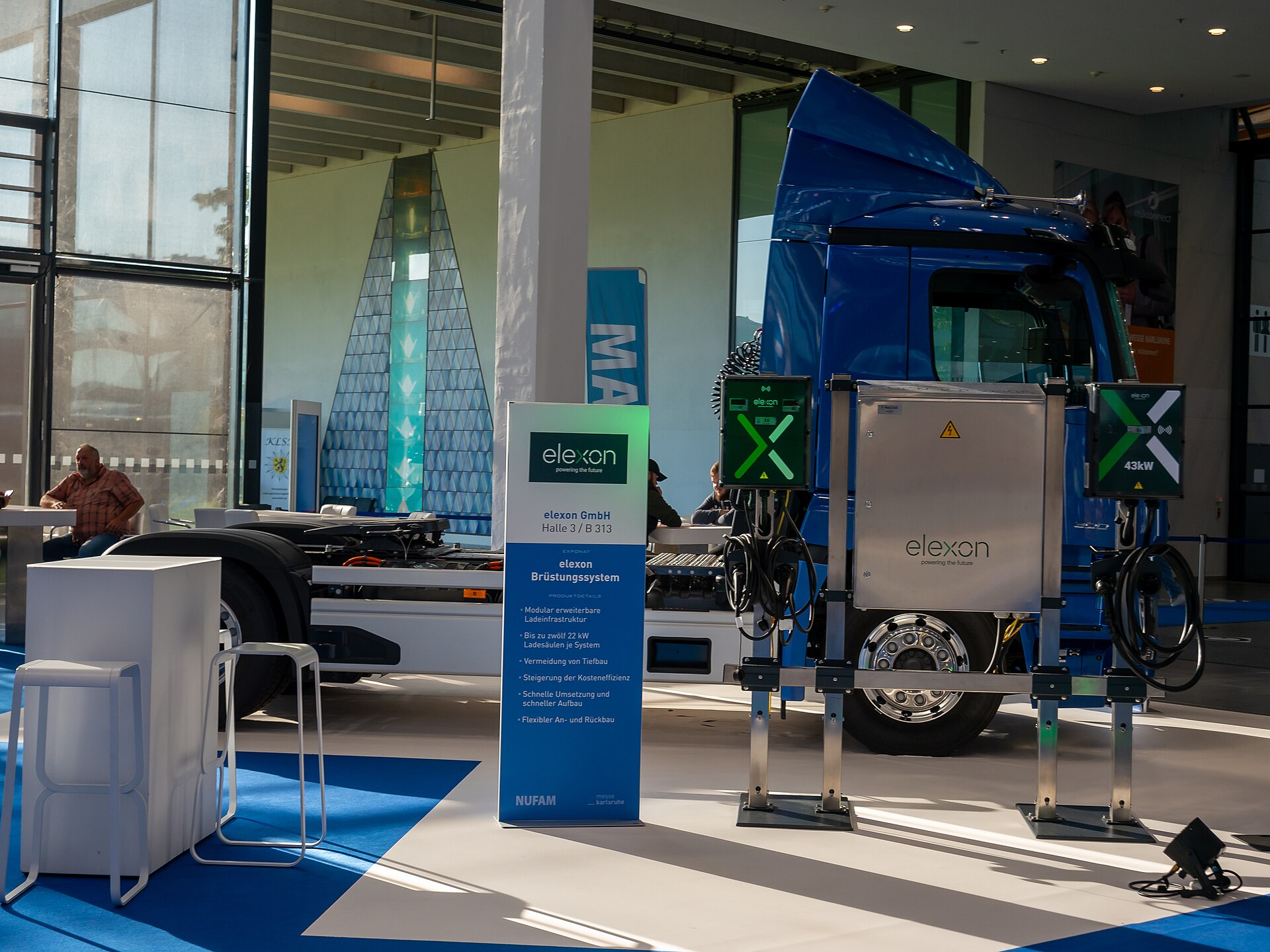
Multiple companies displayed electric vehicle chargers. The charging infrastructure gap remains the primary barrier to Class 8 BEV adoption for long-haul fleets. Urban delivery and drayage fleets can charge overnight at the terminal, but over-the-road operations need DC fast chargers at truck stops and rest areas. The number of charger exhibitors at ACT Expo does not indicate how many chargers are actually installed and operational at locations fleets use.
What does this mean for fleets evaluating electric trucks?
The Hino LE Series adds another Class 6/7 BEV option for urban delivery and vocational work, but without battery capacity, range, and pricing, fleet managers cannot build a TCO comparison. The two-speed e-axle is a technical advantage over single-speed competitors, but the real-world efficiency gain depends on duty cycle. Fleets running mostly highway miles may see minimal benefit; fleets with frequent stops and starts should see better range per charge.
The Horizon HM8's 450-mile range claim is competitive with existing Class 8 BEVs, but Horizon is a new entrant with no established service network or parts availability. Fleets considering the HM8 should verify warranty terms, service-center locations, and whether Horizon has secured battery supply for production volumes.
For fleets still running diesel, the appearance of 2027-spec engines at ACT Expo confirms that OEMs are moving forward with the new NOx rule. Fleets that want to avoid the first model year of 2027 engines have a narrowing window to lock in prebuy orders, but the decision depends on whether 2027 engines carry higher upfront costs or longer service intervals that offset the initial premium.