Identity Thieves Impersonate Customs Brokers to Steal Cross-Border Payments
Fraudsters steal identities of importers and customs brokers to intercept electronic payments for customs duties and handling fees. Mexican trade officials warn carriers and brokers to verify banking changes through a second channel before transferring money.

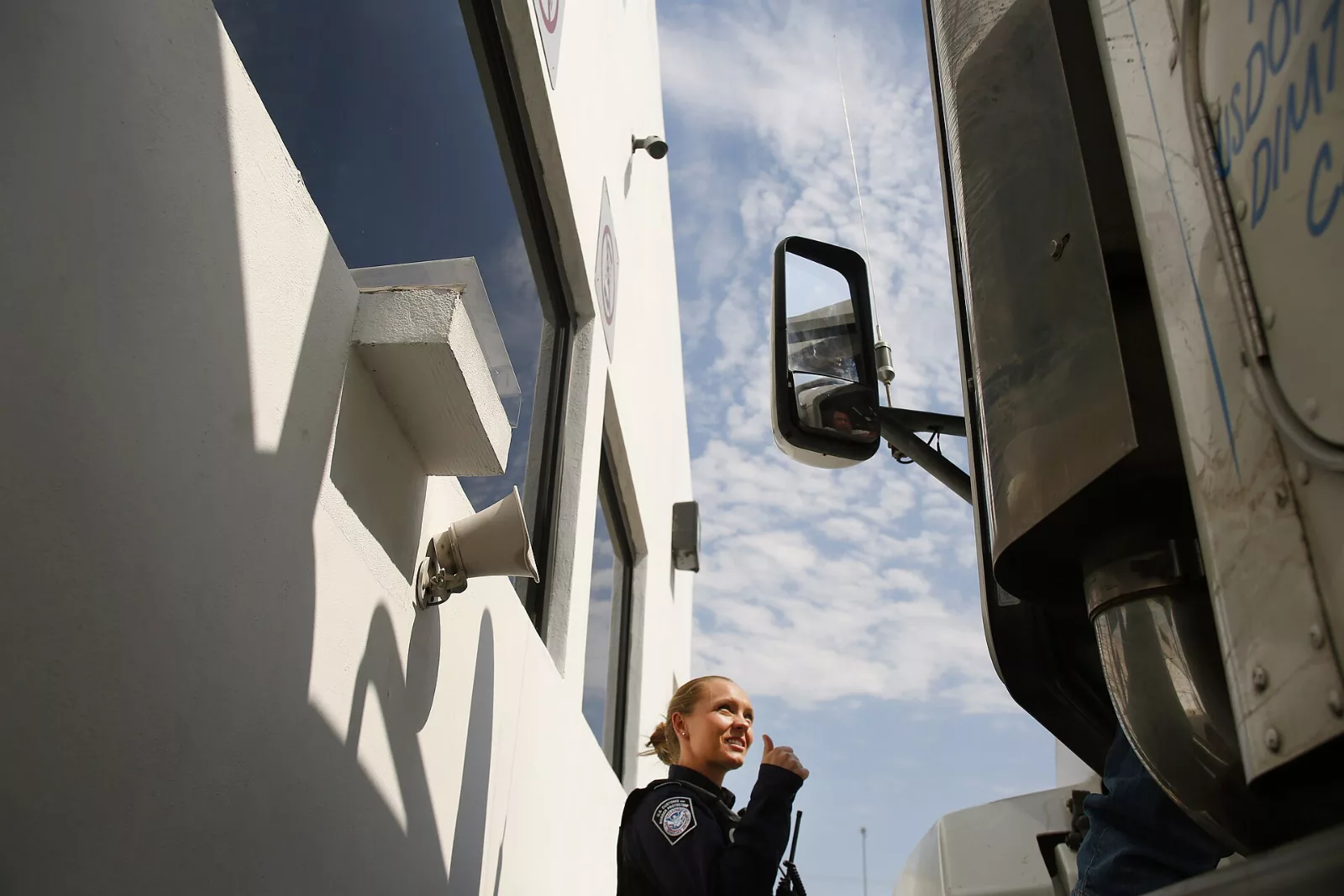
Identity thieves are impersonating customs brokers and importers to steal electronic payments for customs duties, handling fees, and cargo-release charges in cross-border freight operations. Javier Cendejas, president of the Mexican Council for Foreign Trade's Northeast chapter (COMCE Noreste), said the organization has encountered multiple identity-theft cases affecting importers and exporters during customs operations, according to a Sept. 28 news conference reported by El Norte.
How do identity thieves steal customs payments from cross-border freight companies?
Fraudsters create internet domains that resemble legitimate customs agencies or freight companies, then impersonate executives and send messages claiming that banking information for a transaction has changed. In one case Cendejas described, a foreign trade company made an electronic payment it believed was going to a legitimate customs agency. Instead, a third party had stolen identities connected to the transaction and impersonated both the importer and the customs broker.
Criminals often possess enough information about an actual shipment or transaction to make the fraudulent request appear legitimate. The time-sensitive nature of cross-border freight amplifies the risk. Importers may receive urgent requests for money to release cargo or avoid storage charges, creating pressure on employees to authorize transfers quickly.
"This urgency can lead a treasury employee to make a transfer without verifying it through a second channel," Cendejas said.
What customs payments are most vulnerable to identity theft?
Advance payments to customs brokers represent a particular vulnerability, Cendejas said. Those payments can cover handling, storage, pre-validation, transportation, third-party services, and other expenses associated with clearing freight through customs. Because these payments often move quickly to prevent demurrage or detention charges, employees may skip verification steps.
The warning comes as identity-based fraud increasingly affects the broader freight industry. A 2026 report from identity-verification company IDScan.net found attempted identity fraud in U.S. cargo and logistics operations increased 213% from 2023 to 2024, rising from 0.53% of transactions to 1.66%. The rate increased another 30% in 2025 to 2.15%, according to an analysis of more than 1 million identity-verification transactions.
The methods extend beyond payment fraud. Organized theft groups are using stolen carrier identities, spoofed emails, and fraudulent driver's licenses to arrange fictitious pickups and divert shipments. Criminals can monitor communications between shippers and carriers and use information about legitimate loads to make fraudulent transactions appear authentic.
What verification requirements do Mexican customs agents face?
Mexico has been tightening verification requirements surrounding foreign trade. Customs agents are required to maintain electronic files containing identification, contact, tax, and other information for customers requesting foreign-trade operations, according to a release from Mexican authorities. The requirement aims to create an audit trail for customs transactions, but it also means that a breach of a customs broker's records can give fraudsters the data they need to impersonate both the broker and the client.
What should carriers and brokers do to prevent customs payment fraud?
For importers and exporters, Cendejas said one safeguard is relatively simple: requests to change banking information should be independently verified through a second communications channel before money is transferred. If a customs broker sends an email requesting a wire transfer to a new account, call the broker's known phone number (not a number provided in the email) to confirm the change. If a dispatcher receives an urgent message about a cargo-release fee, verify the request through a separate channel before authorizing payment.
Carriers and brokers should also establish internal controls that require dual approval for any change to payment routing. A single employee should not have the authority to update banking information and authorize a transfer without a second set of eyes on the transaction.
What compliance steps protect cross-border freight companies from identity theft?
Carriers operating cross-border should maintain a current list of authorized contacts at each customs broker they work with, including direct phone numbers and email addresses verified in person or through a known channel. When onboarding a new customs broker, verify the broker's USDOT number, MC number, and customs broker license through FMCSA's SMS (Safety Measurement System) and U.S. Customs and Border Protection's online broker database. Store that verification documentation in the same electronic file where you keep the broker's W-9, insurance certificate, and broker-carrier agreement.
For brokers who vet carriers online, the same verification discipline applies in reverse. When a carrier requests a change to ACH routing or payment terms, verify the request through a second channel before updating your accounting system. A phone call to the carrier's known contact, using a number you have on file from the original onboarding, is the simplest safeguard.
The cases show how identity-based freight fraud is expanding beyond fictitious cargo pickups into the financial transactions required to keep cross-border shipments moving. Carriers and brokers who treat banking-change requests with the same skepticism they apply to load-board offers will close the easiest entry point for payment fraud.