Kodiak launches autonomous Dallas-Laredo lane with Charger Logistics
Safety driver on board for now. Company targets driverless long-haul by year-end on separate Texas route.
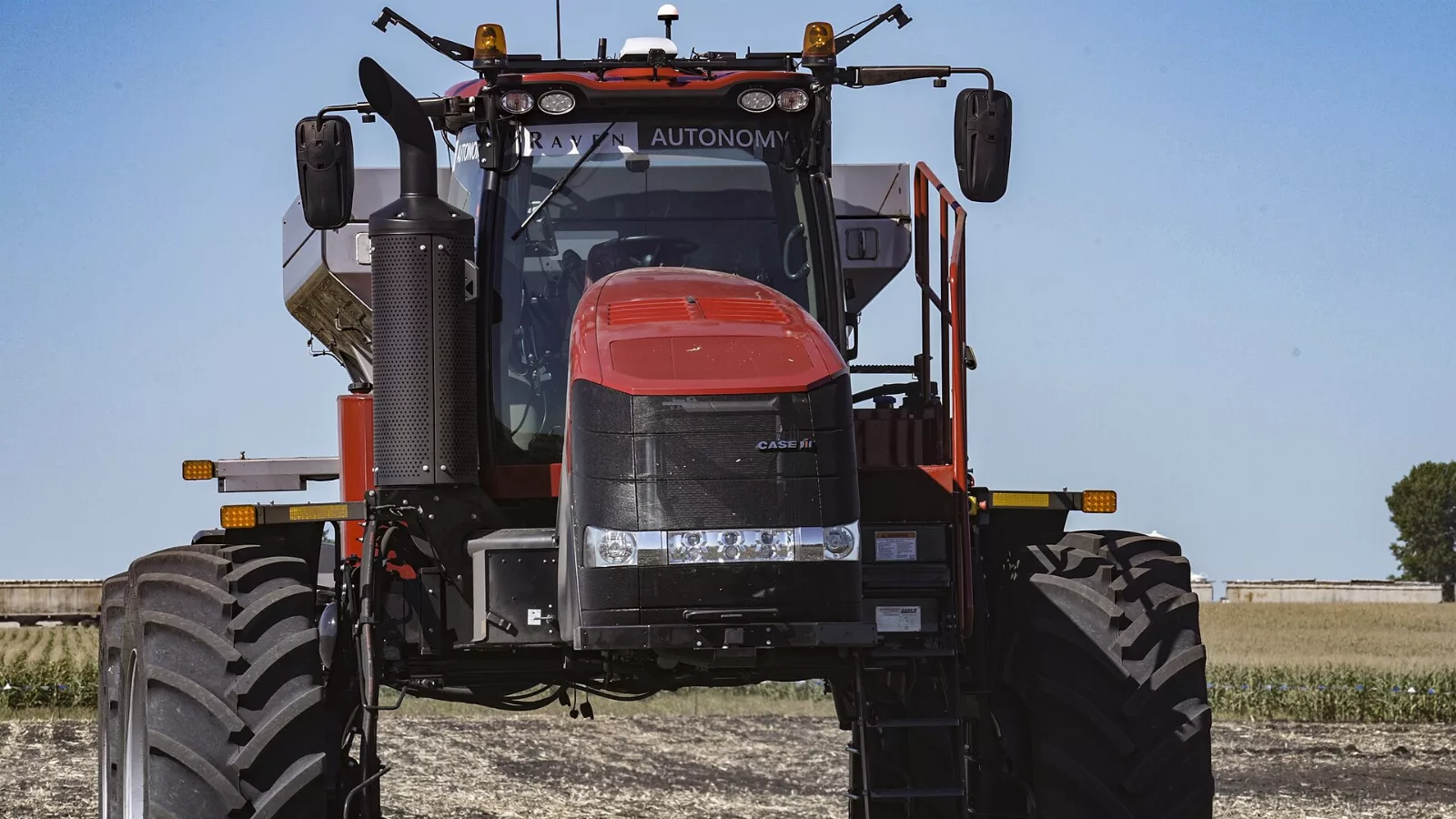
Kodiak AI and Charger Logistics launched autonomous freight service on the 435-mile Dallas-Laredo lane Sept. 8, hauling refrigerated and dry van loads for consumer packaged goods and food and beverage customers. A safety driver remains behind the wheel. The companies plan to remove the driver once Kodiak completes its safety case.
When will Kodiak run driverless trucks on public highways?
Kodiak plans to launch long-haul driverless service by the end of 2026 on its Dallas-Houston lane along Interstate 45. The company's Autonomy Readiness Measure, which tracks the share of claims and evidence in its safety case, reached 96% at the end of September, up from 93% in August and 84% in February. Kodiak has operated driverless trucks in commercial service in the Permian Basin since December 2024, but that deployment is limited to oil-field roads, not interstate highways.
Why Laredo matters for autonomous freight
The Port of Laredo handled more than $350 billion in international trade in 2025, nearly 40% of all U.S. trade with Mexico. It is the highest-volume commercial land port of entry in the U.S. The Charger lane is Kodiak's first route serving the port.
Consumer packaged goods and food and beverage freight moves in steady, high-volume flows tied to retail replenishment schedules. Predictable transit times and longer operating hours carry more value in those segments than in spot-market freight.
How Kodiak's Driver-as-a-Service model works
Under Kodiak's Driver-as-a-Service model, the company deploys the Kodiak Driver on trucks its customers own and operate. Charger owns the tractors. Kodiak provides the autonomous driving system. The companies expect to add lanes in Charger's network over time as the carrier integrates the Kodiak Driver into its fleet.
Charger is an asset-based carrier operating in the U.S. and Mexico, with temperature-controlled freight among its core service lines. It runs its network on a proprietary transportation management system and a set of in-house applications.
"Autonomy lets us build a network that serves both our customers and our drivers," said Andy Khera, president of Charger Logistics. "Combining our in-house TMS, managed transportation, and the Kodiak Driver creates a nearly fully automated ecosystem that gives our customers long-term capacity continuity through changing labor markets and freight demand, while bringing our drivers home every night."
Charger is running two autonomous providers on the same lane
Charger also has an autonomous trucking agreement with Aurora Innovation on the same Dallas-Laredo lane. Aurora announced in late July that Charger would deploy Aurora's second-generation driverless trucks between Dallas and Laredo. That deal is a transportation-as-a-service agreement, under which Aurora holds the U.S. Department of Transportation operating authority, controls the truck, and carries the insurance. The Kodiak deal is structured differently: Charger holds the authority and owns the trucks.
Running two autonomous providers on the same route lets Charger compare performance, reliability, and economics before committing to scale. It also hedges the risk that one provider's technology or regulatory approval timeline slips.
What this means for small fleets watching autonomous freight
Kodiak's move to a cross-border trade corridor signals that autonomous developers are targeting lanes with high freight density and predictable schedules, not the spot market. Small fleets that compete on flexibility, last-mile delivery, or irregular routes face less near-term displacement risk than carriers running repetitive long-haul lanes between major metros and ports.
The safety-driver phase gives fleets time to watch how the technology performs in real-world conditions before autonomous trucks begin competing for freight without a human backup. Kodiak's Permian Basin driverless operation has been running for nearly two years, but oil-field roads are a controlled environment. Interstate 35 between Dallas and Laredo carries mixed traffic, weather variability, and higher speeds. How the technology handles that lane under a safety driver will show whether the year-end driverless timeline on I-45 is realistic.
"Charger came to us knowing what they wanted from autonomy and what they need to see before scaling it," said Don Burnette, founder and CEO of Kodiak. "The Dallas-Laredo lane extends the Kodiak Driver into a new corridor, and gives both companies the operating foundation we need to scale driverless service."