M&A advisors call 2027 'record-breaking' for trucking deals
Tenney Group says buyers can no longer sit on capital, expects deal volume to spike after three flat years.


Why are M&A advisors predicting a surge in trucking deals?
M&A advisory firm Tenney Group is forecasting a material ramp in transportation and logistics deal flow, with 2027 expected to set a new record for transaction volume. The firm's mid-year report noted global deal volume held flat year over year through the first half of 2026 at 566 transactions, but said buyers and investment firms now face urgency to deploy capital and can no longer remain on the sidelines. That would mark a meaningful reversal from the past three years of tepid activity.
The report highlighted that many M&A participants expect a material step down in inflation, fuel prices, and interest rates over the medium term, easing the path to deal closings. Any material inflection in freight demand could tip the scales, allowing owners who wouldn't sell in a down market the chance to finally exit.
"All indications lead to a highly active 2026 and to record-breaking M&A activity in 2027," the report said.
What's holding deals back now
Tepid freight demand, elevated interest rates, the Middle East conflict, and a still-volatile trade landscape remain the overhangs. The report noted M&A activity continues to be "characterized by smaller, highly specialized transactions," but said the space is "increasingly attracting institutional capital," which will lead to "larger, more transformational opportunities."
The report also noted changes in the way participants are approaching deals following the Supreme Court's broker liability ruling in Montgomery v. Caribe Transport II. The landmark ruling widened liability exposure for freight brokers found negligent in their driver hiring practices.
"Buyers and sellers interested in transportation and logistics M&A are getting ahead of potential deals by evaluating the allocation of risk in contracts, discussing insurance renewal scenarios for broker liability policies, considering higher insurance limits, reviewing carrier vetting policies, and addressing consistency between policies and practices at brokers," said Mark Scudder, CEO at law firm Scudder Hornung-Scherr, in the report.
Which carriers command a premium
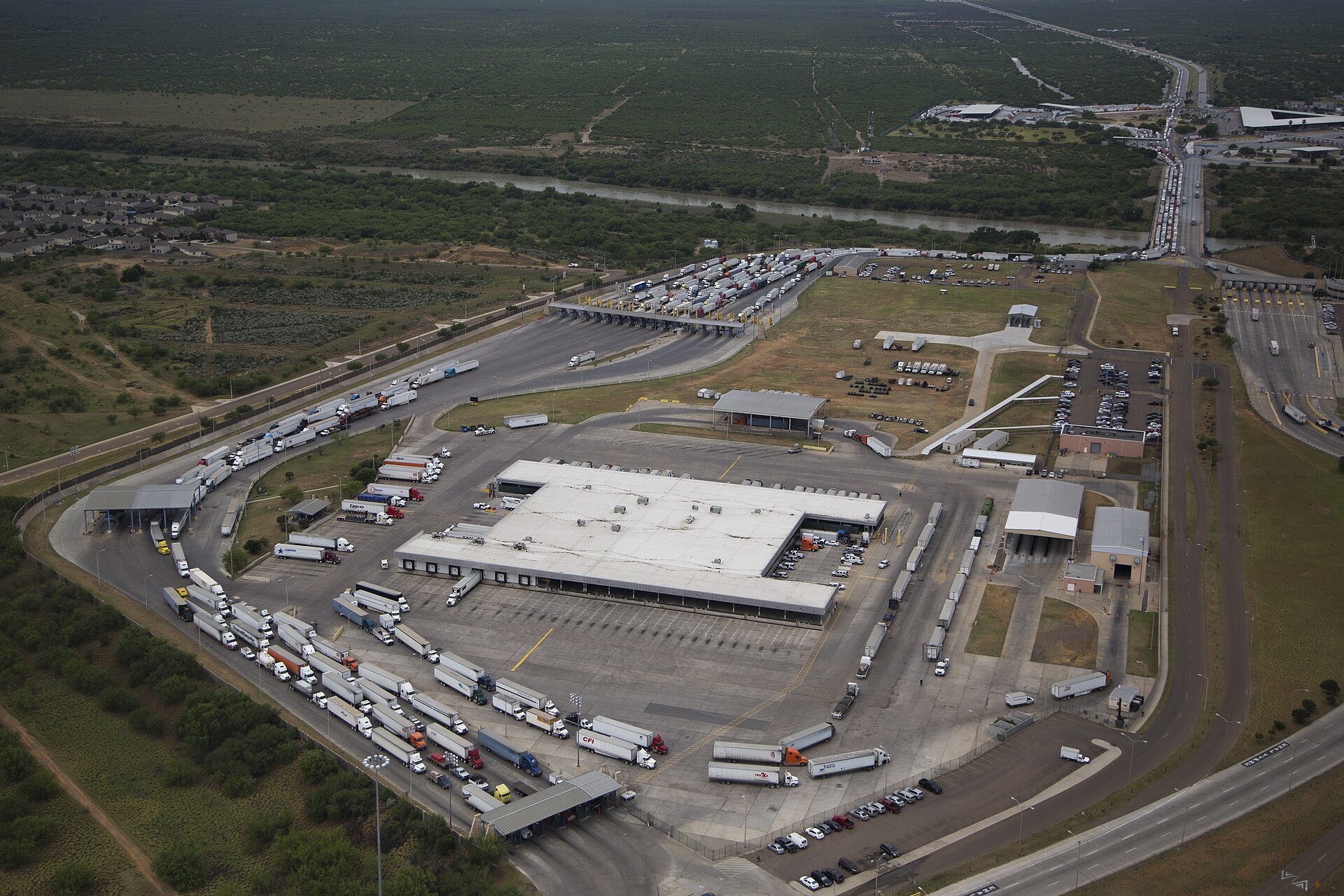
Cross-border operators tied to a growing nearshoring trend are becoming "premium acquisition targets," Tenney Group said when discussing its predictions for the back half of the year. This group includes carriers, customs brokers, transloading providers, and specialized 3PLs.
"Buyers are prioritizing operators with deep compliance capabilities and proven cross-border execution," said Ashesh Pansuria, director at Tenney Group. "For owners, those strengths may command a meaningful valuation premium as nearshoring trends continue to accelerate."
Beau McGinnis, vice president at Tenney Group, sees relay, or hub-to-hub, networks becoming more valuable as autonomous trucking transitions to full commercialization. He said the driverless technology works best in these configurations.
What this means for small fleets
For owner-operators and small fleets, a surge in M&A activity typically signals two things. First, larger carriers are hunting capacity and specialized lanes, which can create exit opportunities for owners who've built niche operations (cross-border, dedicated relay networks, or regional density in high-demand corridors). Second, consolidation often tightens capacity in specific lanes as acquired fleets get absorbed into larger networks, which can shift spot-rate dynamics in those markets.
The report's emphasis on nearshoring and cross-border compliance suggests fleets with CTPAT certification, customs brokerage relationships, or proven Mexico-U.S. execution may see inbound interest from buyers looking to capture that premium. Fleets without those capabilities should watch for rate pressure in cross-border lanes as institutional capital flows into competitors who do.
The broker liability ruling adds a wrinkle: brokers tightening carrier vetting standards may favor larger, well-documented carriers over small fleets with thin compliance records, which could push some owner-operators toward selling rather than competing for broker freight in a post-Montgomery market.
Larger carriers like Schneider have already signaled they're hunting acquisitions after an 18-month pause, a pattern that aligns with Tenney Group's forecast. If deal volume does spike in 2027, small fleets should expect more cold calls from buyers and more competition from newly consolidated regional players.