Mack splits extended warranty into four system-specific plans
Fleets can now cover powertrain, brakes, electrical, or electronics separately instead of buying full chassis protection.


Mack Trucks now offers four separate extended-coverage plans that let fleets insure individual truck systems instead of paying for comprehensive chassis protection. The plans cover powertrain, brakes, electrical components, and electronics separately.
What does each Mack extended plan cover?
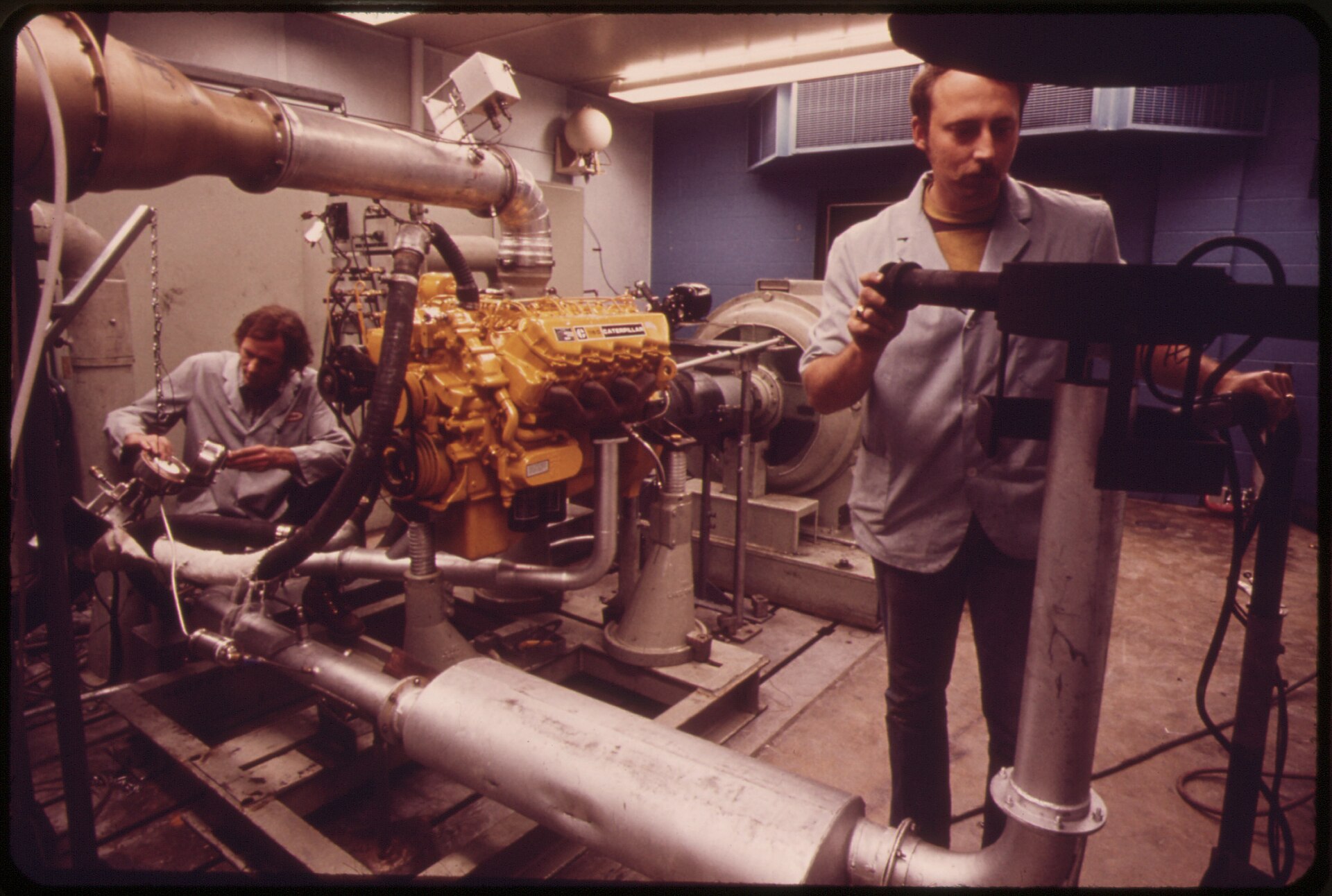
The powertrain plan protects engine, transmission, and driveline components. The brake plan covers foundation brakes, air system hardware, and ABS modules. The electrical plan handles alternators, starters, batteries, and wiring harnesses. The electronics plan covers telematics units, ADAS hardware, and electronic control modules.
Every component in Mack's full Chassis Plan appears in one of the four system plans. Fleets can buy one plan, stack multiple plans, or purchase the comprehensive package depending on what breaks most often in their operation.
Why Mack added the electronics-only option
The electronics plan addresses the rising cost of repairing or replacing telematics boxes, collision-mitigation sensors, and electronic controls that now populate Class 8 tractors. A single ADAS recalibration after a windshield replacement can run $1,200 to $2,500 depending on the system. A failed telematics gateway or body controller can idle a truck for days waiting on a part that costs $800 to $3,000.
Fleets that self-insure mechanical repairs but want protection against high-dollar electronic failures can now buy coverage for just that system without paying for powertrain or brake protection they don't need.
How this changes warranty math for aging trucks
Mack positions the plans as a hedge against repair-cost volatility as trucks age past factory warranty. Parts prices have climbed 12 to 18 percent across most component categories since 2023. Labor rates at independent shops now average $135 to $160 per hour in most markets, up from $110 to $125 three years ago.
A fleet running 2022 or 2023 Anthems approaching 300,000 miles can evaluate which systems have caused the most downtime and buy coverage for those alone. If brake jobs and air-system leaks dominate the repair log, the brake plan makes sense. If the powertrain has been bulletproof but the truck has had two wiring-harness failures and a body-controller replacement, the electrical plan is the better buy.
What this costs and when coverage starts
Mack has not published pricing for the individual plans. Extended-coverage cost depends on truck model, mileage at purchase, coverage term, and deductible. Fleets typically see quotes when a truck nears the end of its factory bumper-to-bumper period or at trade-in evaluation if buying a used unit.
The four-plan structure gives Mack's sales and service teams a way to compete with third-party warranty providers that have offered component-level coverage for years. It also lets Mack retain service revenue on trucks that might otherwise move to independent shops once factory warranty expires.
Fleets shopping extended coverage should compare Mack's system plans against independent warranty providers and self-insurance. The math depends on actual failure rates in your operation, not industry averages. Pull 24 months of repair invoices, sort by system, and total the cost. If electrical repairs averaged $4,800 per truck over two years and Mack's electrical plan costs $2,200 annually, the plan pays. If electrical repairs averaged $1,100, it doesn't.