Trump Visits Peterbilt Denton Plant, Highlights EPA NOx Rule Revisions
President appeared with Paccar CEO Preston Feight and plant workers to discuss proposed changes to EPA emissions regulations.

What did Trump say about EPA NOx regulations at the Peterbilt plant?
President Trump visited Peterbilt's Denton, Texas factory on October 2, where he discussed the EPA's proposed revisions to NOx emissions regulations before an audience of plant employees, Paccar CEO Preston Feight, and regional politicians.
The appearance comes as the industry navigates the EPA 2027 NOx rule, which takes effect January 1, 2027. That rule sets a 35 mg/hp-hr NOx standard for new heavy-duty diesel engines, down from the current 200 mg/hp-hr limit established in 2010.
What NOx revisions is the EPA proposing?
The source material does not specify which aspects of the NOx regulations Trump highlighted or what revisions the EPA has proposed beyond the 2027 rule already finalized. The EPA has issued guidance on related emissions enforcement, including allowing manufacturers to raise DEF limp-mode speed to 25 mph and extend fault timelines to 160 hours, but whether those items were part of the discussion at the Peterbilt plant is not documented in available reporting.
Why Peterbilt's Denton plant?
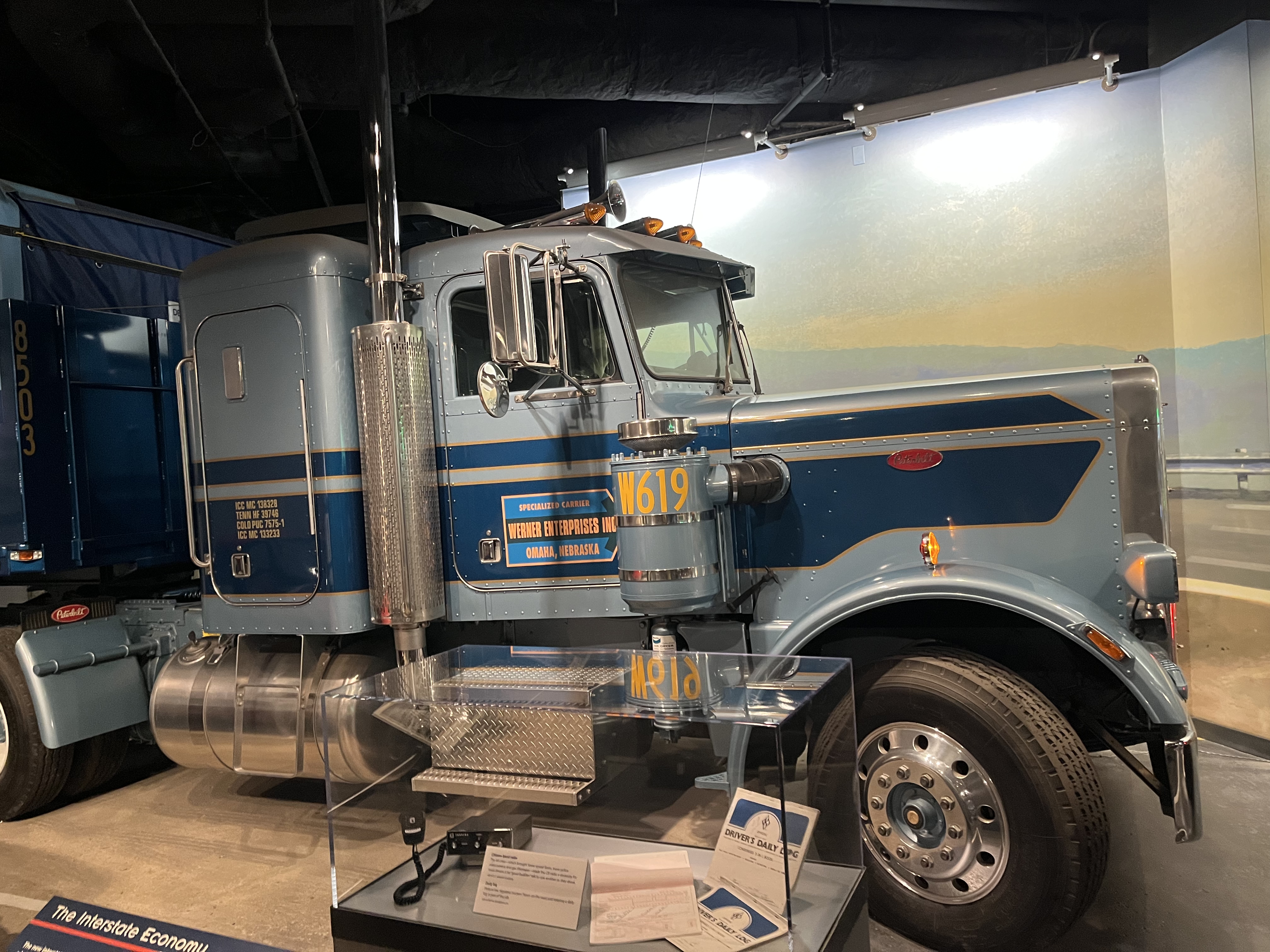
Peterbilt's Denton facility is one of two Paccar assembly plants in Texas, the other being the Kenworth plant in Chillicothe. Denton builds Model 579, 567, and 389 tractors. The plant employs roughly 2,000 workers and has been a focal point for Paccar's domestic manufacturing messaging.
Paccar CEO Preston Feight's presence signals the company's stake in how NOx compliance costs flow through to truck pricing and production timelines. Paccar has committed its Paccar MX-11 and MX-13 engines to meet the 35 mg standard by the January 2027 deadline, but the company has not publicly disclosed the per-unit cost of the aftertreatment hardware required to hit that target.
What this means for fleets ordering 2027 trucks
Fleets placing orders for 2027 model-year trucks will receive engines certified to the new NOx standard. The compliance hardware typically includes larger or dual SCR catalyst bricks, revised DEF dosing controls, and tighter sensor tolerances. Those changes add weight, reduce available frame rail space, and in some configurations require more frequent DEF refills.
Paccar has not released service-interval changes or warranty extensions tied to the 2027 emissions package. Cummins, by contrast, announced in August that its X15 engines meeting the 35 mg standard will carry the same oil-change interval as 2026 models, but the company has not confirmed whether DPF regeneration frequency will increase.
The political backdrop is relevant only insofar as it affects regulatory certainty. If the EPA revises the 2027 rule after trucks are already in production, manufacturers may face a compliance gap or need to issue software updates to units already delivered. That scenario played out in 2021 when the EPA delayed enforcement of certain OBD fault codes, leaving early-production 2021 trucks with stricter limp-mode behavior than later builds.